
Insulin Resistance and PCOS: What the Best Gynecologist in Indore Wants You to Know
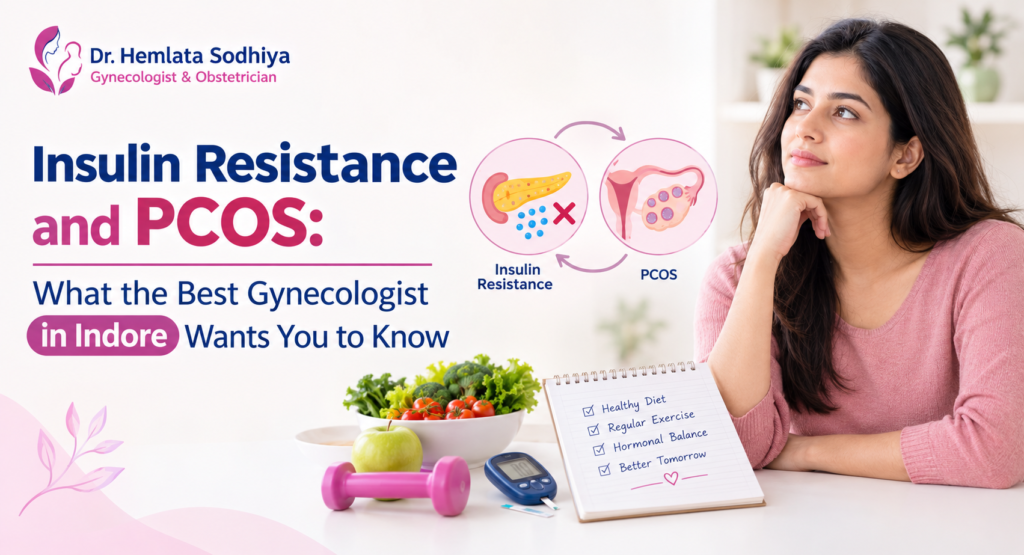
Polycystic ovary syndrome (PCOS) is one of the most common hormonal conditions affecting women of reproductive age. While PCOS is often associated with irregular periods, acne, unwanted hair growth and difficulty with weight management, there is another important factor that many women may not know about: insulin resistance. Insulin resistance and PCOS can be closely connected. Understanding this relationship can help women recognize symptoms earlier and take appropriate steps toward better hormonal and metabolic health. If you have PCOS or symptoms that concern you, consulting the Best Gynecologist in Indore can help you understand your condition and develop an individualized management plan. What Is Insulin Resistance? Insulin is a hormone produced by the pancreas. It helps the body’s cells take glucose from the blood and use it for energy. Insulin resistance occurs when the body’s cells do not respond effectively to insulin. To compensate, the pancreas may produce more insulin to help maintain blood glucose levels. Over time, insulin resistance can be associated with an increased risk of conditions such as prediabetes and type 2 diabetes. Insulin resistance can occur in people with or without PCOS, but it is particularly relevant when managing PCOS. How Are Insulin Resistance and PCOS Connected? The relationship between PCOS and insulin resistance is complex. Higher insulin levels may contribute to increased production of androgens, commonly referred to as male hormones. In some women with PCOS, elevated androgen levels can contribute to symptoms such as: At the same time, PCOS itself can be associated with metabolic changes, making insulin resistance an important part of the overall health assessment. However, not every woman with PCOS has insulin resistance, and insulin resistance is not required for a diagnosis of PCOS. Common Signs That May Need Attention Insulin resistance does not always cause obvious symptoms. Some women may have no noticeable signs. However, certain findings can suggest that metabolic health deserves further evaluation, including: These symptoms do not confirm insulin resistance on their own. Proper evaluation is important. Why Does Insulin Resistance Matter in PCOS? Insulin resistance is important because PCOS can involve both reproductive and metabolic health. Women with PCOS may have an increased risk of developing impaired glucose regulation and other metabolic risk factors. This means that managing PCOS is not simply about getting regular periods or treating acne. A comprehensive approach may also consider: The Best Gynecologist in Indore can help determine which aspects of your health need attention based on your individual symptoms and risk factors. How Is Insulin Resistance Evaluated? There is no single test that universally confirms insulin resistance in every person. Depending on your symptoms and medical history, your doctor may recommend tests to assess glucose metabolism and overall metabolic health. These may include: Your doctor will decide which tests are appropriate rather than relying on one result alone. Can Insulin Resistance Make PCOS Symptoms Worse? In some women, higher insulin levels can contribute to increased androgen activity, which may affect ovulation and contribute to symptoms associated with PCOS. However, PCOS is a complex condition with several possible contributing factors. Hormonal changes, genetics, body composition, lifestyle and other metabolic factors can all play a role. This is why treatment should be individualized rather than based on a single symptom. Lifestyle Management and PCOS Lifestyle changes are an important part of PCOS management, particularly when insulin resistance or metabolic risk factors are present. 1. Choose a Balanced Diet Focus on a sustainable eating pattern that includes vegetables, fruits, whole grains, protein sources, healthy fats and high-fiber foods. Reducing excessive intake of highly processed foods and added sugars may also support overall metabolic health. There is no single “PCOS diet” that works for everyone. A practical and sustainable approach is usually more useful than an extremely restrictive diet. 2. Stay Physically Active Regular physical activity can support insulin sensitivity, cardiovascular health and overall well-being. Activities can include: Consistency is more important than choosing a particular type of exercise. 3. Focus on Sustainable Weight Management For women who are overweight, even modest weight loss may improve some metabolic and reproductive outcomes. However, PCOS can also occur in women who are not overweight. Therefore, PCOS management should never focus only on the number on the weighing scale. 4. Prioritize Sleep Poor sleep and chronic stress can affect overall metabolic and hormonal health. Maintaining a regular sleep routine and managing stress can be useful parts of a healthy lifestyle. Can Medicines Help? Depending on your symptoms and goals, your gynecologist may recommend medication. Treatment can vary depending on whether your main concern is: Certain medicines, including insulin-sensitizing medications, may be appropriate for some women, but they are not necessary for everyone with PCOS. Do not start or stop medication without discussing it with your doctor. PCOS and Fertility PCOS can interfere with regular ovulation, which may make conception more difficult for some women. However, having PCOS does not mean that pregnancy is impossible. If pregnancy is your goal, a gynecologist can assess your menstrual pattern, ovulation and other fertility factors and recommend an appropriate treatment approach. If you are planning pregnancy and have PCOS, seeking advice from the Best Gynecologist in Indore can help you understand your options and prepare for a healthy pregnancy. When Should You Consult a Gynecologist? You should consider seeing a gynecologist if you experience: Early evaluation can help identify your individual risk factors and provide appropriate guidance. Takeaway Insulin resistance and PCOS can be closely associated, but they are not the same condition and not every woman with PCOS has insulin resistance. Managing PCOS involves looking beyond menstrual symptoms and considering reproductive, hormonal and metabolic health together. A healthy lifestyle, appropriate monitoring and individualized medical treatment can help manage symptoms and reduce potential long-term risks. If you have irregular periods, symptoms of PCOS, or concerns about insulin resistance, consult the Best Gynecologist in Indore for a proper evaluation and personalized guidance. Frequently Asked Questions 1. Does every woman with PCOS have insulin resistance? No. Insulin resistance is common in PCOS
Heavy Periods for Months? When to See the Best Gynecologist in Indore
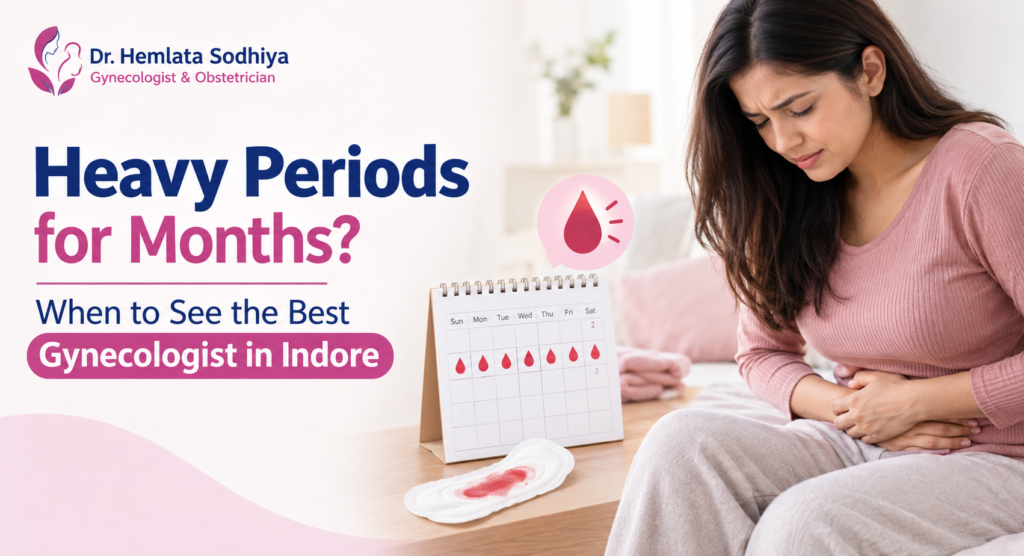
Heavy menstrual bleeding can be more than just an uncomfortable period. If your periods have been unusually heavy for several months, last longer than usual, or interfere with your daily routine, it may be time to consult a gynecologist. Persistent heavy bleeding can sometimes indicate an underlying hormonal, uterine, or other health condition that needs proper evaluation. Consulting the Best Gynecologist in Indore can help identify the possible cause of heavy periods and guide you toward appropriate treatment. What Are Heavy Periods? Heavy menstrual bleeding, sometimes called menorrhagia, refers to menstrual bleeding that is unusually heavy or lasts longer than expected. Every woman’s menstrual flow can be different, so what is considered heavy may vary. You may have heavy periods if you: If these symptoms continue for several months, speaking with the Best Gynecologist in Indore can be an important step toward understanding the problem. Common Causes of Heavy Periods There are several possible reasons for prolonged or heavy menstrual bleeding. Some common causes include: 1. Hormonal Imbalance Changes in estrogen and progesterone levels can affect the menstrual cycle and cause the uterine lining to become thicker than usual. This may result in heavier or irregular bleeding. Hormonal changes can occur during adolescence, the years leading up to menopause, or because of certain medical conditions. 2. Fibroids Uterine fibroids are non-cancerous growths that can develop in or around the uterus. Depending on their size and location, fibroids may cause heavy periods, pelvic pressure, cramps, or prolonged bleeding. 3. Adenomyosis Adenomyosis occurs when tissue similar to the uterine lining grows into the muscular wall of the uterus. It may cause heavy or painful periods and pelvic discomfort. 4. Endometrial Polyps Polyps are growths that develop in the lining of the uterus. They can sometimes cause heavy periods, spotting between periods, or irregular bleeding. 5. Thyroid Problems The thyroid plays an important role in regulating several body functions, including the menstrual cycle. Both an underactive and overactive thyroid can sometimes affect periods. 6. Certain Medications Some medicines, including certain blood-thinning medications, may increase menstrual bleeding. If you notice a significant change after starting a medicine, discuss it with your doctor rather than stopping it on your own. 7. Pregnancy-Related Causes Unexpected heavy bleeding can sometimes be related to pregnancy complications. If there is any possibility of pregnancy and you experience heavy bleeding, medical evaluation is important. When Should You See a Gynecologist? You should consider consulting the Best Gynecologist in Indore if heavy periods continue for several cycles or are affecting your quality of life. Seek medical advice if: Early evaluation can help determine whether the bleeding is caused by a treatable condition. Can Heavy Periods Cause Anemia? Yes. Persistent heavy menstrual bleeding can lead to iron deficiency and anemia because the body may lose more blood than it can replace. Possible symptoms of anemia include: If you experience these symptoms along with heavy periods, a gynecological evaluation and appropriate blood tests may be recommended. How Are Heavy Periods Diagnosed? Your gynecologist may begin by asking about your menstrual history, bleeding pattern, medications, medical history, pregnancy possibility, and other symptoms. Depending on your symptoms, your doctor may recommend tests such as: The exact evaluation depends on the individual patient. Treatment Options for Heavy Periods Treatment depends on the underlying cause, severity of bleeding, age, reproductive plans, and overall health. Depending on the diagnosis, treatment may include: Medicines Your doctor may recommend medicines to reduce menstrual bleeding, manage pain, or correct an underlying hormonal problem. Hormonal Treatment Certain hormonal treatments can help regulate the menstrual cycle and reduce excessive bleeding in appropriate patients. Treatment for Fibroids or Polyps If fibroids or polyps are responsible for heavy bleeding, your gynecologist may discuss medical or surgical treatment options depending on their size, location, symptoms, and your future pregnancy plans. Surgical Treatment In some situations, a minimally invasive or other surgical procedure may be considered when medication is not effective or when there is a structural cause requiring treatment. Your gynecologist can explain the benefits, risks, and alternatives before deciding on a treatment. Why Choose the Best Gynecologist in Indore? Heavy periods should not simply be considered something you have to live with. A qualified gynecologist can help identify the reason behind persistent bleeding and create an individualized treatment plan. When choosing the Best Gynecologist in Indore, consider factors such as: A detailed evaluation can make it easier to understand what is causing your symptoms and what treatment may be appropriate. Don’t Ignore Persistent Heavy Bleeding Having a heavy period occasionally may not always indicate a serious problem. However, heavy bleeding that continues for several months deserves attention, especially when it affects your daily life or causes weakness and fatigue. Instead of managing the symptoms on your own, consider consulting the Best Gynecologist in Indore for a proper evaluation. Finding the underlying cause early can help you receive timely and appropriate care. Frequently Asked Questions 1. When are periods considered too heavy? Periods may be considered unusually heavy when bleeding is difficult to manage, lasts longer than usual, requires very frequent changing of sanitary protection, or significantly interferes with daily activities. 2. Can fibroids cause heavy periods? Yes. Uterine fibroids can cause heavy or prolonged menstrual bleeding, depending on their size and location. 3. Can heavy periods cause anemia? Yes. Repeated heavy blood loss can contribute to iron deficiency and anemia, which may cause tiredness, weakness, dizziness, or shortness of breath. 4. Should I see a gynecologist for heavy periods? If heavy bleeding continues for several cycles, is getting worse, or affects your daily life, it is advisable to consult a gynecologist for evaluation. 5. Can heavy periods be treated? Yes. Treatment depends on the underlying cause and may include medication, hormonal treatment, minimally invasive procedures, or surgery when appropriate.
Best Gynecologist in Indore – Book & Contact at +91 9981086640

Women’s health changes at every stage of life. From menstrual problems and PCOS to pregnancy, infertility and menopause, women may experience different health concerns that require proper medical attention. Choosing the right gynecologist can help you understand your symptoms and receive appropriate care based on your individual health needs. If you are searching for the Best Gynecologist in Indore, Dr. Hemlata Sodhiya provides gynecological and women’s healthcare services with a focus on personalized medical care. When Should You Visit a Gynecologist? Many women visit a gynecologist only when symptoms become severe. However, you do not always need to wait for a major problem before seeking medical advice. A gynecological consultation may be helpful if you are experiencing: If a symptom is persistent, unusual or affecting your daily life, discussing it with a qualified gynecologist can help determine the next appropriate step. Women’s Health Care in Indore Women’s healthcare involves much more than treating menstrual problems. A gynecologist can help women through different stages of life, including adolescence, reproductive years, pregnancy and menopause. Regular consultations can also provide an opportunity to discuss preventive healthcare, lifestyle concerns and symptoms that may otherwise be ignored. The Best Gynecologist in Indore can help you understand your health concerns and guide you toward appropriate evaluation and treatment when required. Menstrual and Hormonal Problems Periods can change due to several factors, including hormonal fluctuations, stress, PCOS and other medical conditions. You should consider consulting a gynecologist if your periods are: A proper consultation can help identify possible causes rather than simply treating the symptoms. PCOS and Hormonal Health Polycystic ovary syndrome (PCOS) can be associated with irregular periods, acne, excess hair growth, weight changes and fertility difficulties. Women experiencing possible PCOS symptoms should seek professional medical evaluation rather than relying solely on self-diagnosis. Treatment and management depend on the individual’s symptoms, health history and reproductive goals. Pregnancy and Antenatal Care Pregnancy is an important period when regular medical care is essential. A gynecologist can monitor the pregnancy, assess maternal and fetal well-being and identify concerns that may require additional attention. Women planning pregnancy may also benefit from a preconception consultation. This provides an opportunity to discuss existing medical conditions, medications, lifestyle factors and other considerations before conception. Infertility Consultation Difficulty conceiving can be stressful for couples. There can be many possible factors affecting fertility, and evaluation may be recommended when pregnancy does not occur despite regular attempts. A gynecologist can discuss the couple’s medical history and recommend appropriate investigations or referrals when necessary. Early professional guidance can help couples understand their options rather than relying on assumptions or online information. Women’s Health After 40 After 40, hormonal changes may become more noticeable. Some women experience changes in their menstrual cycles or symptoms associated with perimenopause and menopause. Common concerns may include: Women should not automatically ignore new or unusual symptoms as simply a part of aging. A consultation with the Best Gynecologist in Indore can help determine whether evaluation is needed. Why Choose a Qualified Gynecologist? Every woman’s health history is different. The right approach depends on factors such as age, symptoms, medical history, pregnancy plans and other individual circumstances. A qualified gynecologist can: Good communication between the patient and doctor is an important part of effective healthcare. Book Your Gynecology Appointment in Indore If you are looking for the Best Gynecologist in Indore for women’s health, pregnancy, PCOS, infertility, menstrual problems or menopause-related concerns, you can contact Dr. Hemlata Sodhiya for an appointment. 📞 Call for Appointment: +91 9981086640 Do not ignore persistent or unusual symptoms. Getting appropriate medical advice can help you understand your health concerns and decide on the next step. Appointment Number: +91 9981086640 Website: www.gynecologistindore.com Frequently Asked Questions 1. How do I choose the Best Gynecologist in Indore? Consider the doctor’s qualifications, experience, areas of expertise, communication style and whether their services match your healthcare needs. 2. When should I see a gynecologist? You can consult a gynecologist for irregular or painful periods, PCOS, pregnancy care, infertility, pelvic pain, menopause symptoms or other women’s health concerns. 3. Can I consult a gynecologist for PCOS? Yes. A gynecologist can evaluate symptoms associated with PCOS and recommend appropriate management based on your individual health needs. 4. Should women over 40 visit a gynecologist? Women over 40 may experience hormonal and menstrual changes and can discuss these concerns, preventive care and appropriate screening with their gynecologist. 5. How can I book an appointment with Dr. Hemlata Sodhiya? For an appointment, call +91 9981086640 or visit www.gynecologistindore.com. Conclusion Women’s health deserves attention at every stage of life. Whether you are experiencing period problems, PCOS, pregnancy concerns, infertility, menopause symptoms or another gynecological issue, timely professional advice can help you understand your health better. If you are searching for the Best Gynecologist in Indore, Dr. Hemlata Sodhiya provides personalized care for a range of women’s health concerns. 📞 Call +91 9981086640 for an Appointment Website: www.gynecologistindore.com Medical Disclaimer: This article is for general educational purposes and does not replace an individual medical consultation. Diagnosis and treatment should be based on your personal medical history and evaluation by a qualified healthcare professional.
Best Gynecologist in Indore: Women’s Health After 40

Turning 40 is an important milestone in a woman’s life. During this stage, the body can begin to experience hormonal and reproductive changes that may affect periods, mood, sleep, weight, bone health, sexual health and overall well-being. Many women continue to manage their family and professional responsibilities while ignoring changes in their own health. However, regular gynecological care becomes increasingly important after 40. Consulting the Best Gynecologist in Indore can help you understand these changes, identify potential health concerns early and develop an appropriate plan for maintaining your health. What Changes in Women’s Health After 40? After 40, hormonal fluctuations can become more noticeable. Some women may begin experiencing perimenopause, the transitional stage before menopause. During this period, menstrual cycles may become irregular and symptoms can vary considerably from woman to woman. Common changes may include: These symptoms should not simply be dismissed as “part of getting older.” A gynecological consultation can help determine whether they are related to normal hormonal changes or require further evaluation. Why Gynecological Checkups Become Important After 40 Regular women’s health checkups can help monitor changes and identify problems before they become more serious. A consultation with the Best Gynecologist in Indore may include discussion of your menstrual cycle, medical history, medications, family history and current symptoms. Depending on your age, symptoms and individual risk factors, your doctor may recommend appropriate screening or investigations. Preventive women’s healthcare can include gynecological assessment, cervical cancer screening when due, breast-health assessment and evaluation of other age-related health concerns. 1. Managing Perimenopause and Menopause Perimenopause can begin several years before menopause. During this transition, hormone levels fluctuate and periods may become unpredictable. Some women experience: Not every woman experiences the same symptoms. A gynecologist can discuss lifestyle measures and, when appropriate, medical options based on your symptoms, health history and individual needs. Menopause care may also involve attention to bone health, cardiovascular risk and genitourinary symptoms. 2. Pay Attention to Changes in Your Periods Changes in periods are common during perimenopause, but unusual bleeding should not automatically be attributed to menopause. Speak with a gynecologist if you notice: The cause can range from hormonal changes to conditions such as fibroids, polyps or other gynecological problems. Proper evaluation helps determine the cause. 3. Breast Health After 40 Breast health remains an important part of women’s healthcare after 40. Women should discuss their individual breast-cancer risk and appropriate screening schedule with their healthcare provider. Family history, previous breast problems and other risk factors may influence recommendations. If you notice a new breast lump, nipple discharge, skin changes or another unusual change, seek medical advice rather than waiting for your next routine appointment. 4. Cervical Health Still Matters Reaching 40 does not mean cervical health screening is no longer important. The appropriate cervical cancer screening schedule depends on factors such as age, previous screening results and individual medical history. Your gynecologist can help you understand when screening is due and which screening approach is appropriate for you. 5. Bone Health Should Not Be Ignored Hormonal changes around menopause can affect bone health. Maintaining strong bones becomes increasingly important as women move through midlife. Your doctor may discuss: Bone-health assessment should be individualized rather than based only on age. 6. Maintain a Healthy Lifestyle Your lifestyle plays an important role in women’s health after 40. Try to focus on: Balanced Nutrition Include vegetables, fruits, whole grains, protein sources and adequate calcium and vitamin D in your diet. Regular Physical Activity Walking, strength training, stretching and other suitable activities can support cardiovascular health, muscles and bones. Good Sleep Aim for consistent, good-quality sleep. If hot flashes, anxiety or other symptoms are interfering with sleep, discuss them with your doctor. Stress Management Work, family responsibilities and hormonal changes can contribute to stress. Relaxation techniques, physical activity, social support and adequate rest can help. When Should You Consult the Best Gynecologist in Indore? You should consider a gynecological consultation if you experience persistent or concerning symptoms such as: You do not need to wait until symptoms become severe before seeking professional advice. What Can You Discuss During Your Appointment? A gynecology appointment after 40 can be an opportunity to discuss more than just periods. You can talk about: Being open with your doctor can make it easier to identify problems and choose appropriate care. Why Choose the Best Gynecologist in Indore for Midlife Women’s Health? Women’s healthcare after 40 should be personalized. Every woman has a different medical history, lifestyle, symptoms and health risks. The Best Gynecologist in Indore can provide individualized guidance, evaluate symptoms and help you understand which preventive checks or treatments may be appropriate for you. Regular consultations also give you an opportunity to discuss changes that you may otherwise ignore. Final Thoughts Women’s health after 40 deserves attention, not neglect. Hormonal changes, perimenopause, menstrual changes and other midlife concerns can affect physical and emotional well-being, but appropriate medical guidance can make this transition easier to manage. If you are experiencing new symptoms or simply want to take a proactive approach to your health, consider scheduling a consultation with the Best Gynecologist in Indore. Remember, preventive healthcare is not only about treating a problem it is also about understanding your body and taking steps to support your health for the years ahead. Frequently Asked Questions 1. Why should women visit a gynecologist after 40? Women may experience hormonal, menstrual and reproductive changes after 40. Regular gynecological care can help evaluate symptoms and guide appropriate preventive healthcare. 2. Are irregular periods normal after 40? Irregular periods can occur during perimenopause, but very heavy, prolonged or unusual bleeding should be evaluated by a gynecologist. 3. What are common symptoms of perimenopause? Common symptoms may include changing menstrual patterns, hot flashes, night sweats, sleep problems, mood changes and vaginal dryness. Symptoms vary between women. 4. Should women continue cervical screening after 40? Yes. Cervical screening generally continues according to age, previous screening history and applicable guidelines. Your gynecologist can advise you about your appropriate screening
Vaginal Discharge: When Is It Normal and When Should You See the Best Gynecologist in Indore?

Vaginal discharge is a normal part of a woman’s reproductive health. It helps keep the vagina clean and healthy. The amount, colour, and consistency of discharge can naturally change during the menstrual cycle, around ovulation, during pregnancy, or with hormonal changes. However, a sudden change in vaginal discharge may sometimes indicate an infection or another gynecological problem. Knowing the difference between normal and abnormal discharge can help you decide when it is time to seek medical advice. If you are experiencing unusual discharge, persistent itching, burning, pain, or an unpleasant smell, consulting the Best Gynecologist in Indore can help identify the underlying cause. What Is Normal Vaginal Discharge? Normal vaginal discharge is usually clear, white, or slightly milky. It may be thin, sticky, or slightly thicker depending on where you are in your menstrual cycle. Normal discharge generally: Every woman can have a slightly different pattern of normal discharge. What matters is whether there has been a noticeable change from your usual pattern. Why Does Vaginal Discharge Change? Vaginal discharge is influenced by hormones and the natural balance of microorganisms in the vagina. Changes can occur because of: Therefore, discharge alone does not always mean that something is wrong. When Is Vaginal Discharge Abnormal? You should pay attention if the discharge suddenly changes in colour, smell, amount, or consistency, particularly when it occurs with other symptoms. Abnormal discharge may be: These changes may occur because of an infection or another condition that requires evaluation. Common Causes of Abnormal Vaginal Discharge 1. Bacterial Vaginosis Bacterial vaginosis occurs when the normal balance of bacteria in the vagina changes. It may cause a thin discharge with a noticeable or fishy smell. Some women may not have significant symptoms. Treatment depends on the diagnosis and may involve prescribed medication. 2. Vaginal Yeast Infection A yeast infection may cause thick, white discharge that can resemble cottage cheese. Other symptoms may include: Because different vaginal conditions can produce similar symptoms, it is better to get the correct diagnosis rather than taking medication without medical advice. 3. Sexually Transmitted Infections Some sexually transmitted infections can cause unusual vaginal discharge. They may also cause: If an STI is possible, medical evaluation and appropriate testing are important. 4. Trichomoniasis Trichomoniasis is a sexually transmitted infection that can cause abnormal vaginal discharge. The discharge may be yellowish or greenish and can sometimes have an unpleasant smell. It may also be accompanied by itching, irritation, or discomfort while urinating. Specific treatment is required after diagnosis. 5. Cervical or Other Gynecological Conditions Sometimes unusual discharge can be associated with inflammation of the cervix or other gynecological conditions. If discharge continues despite initial treatment or is accompanied by bleeding, pelvic pain, or other symptoms, further evaluation may be needed. When Should You See a Gynecologist? Not every change in discharge requires immediate medical attention. However, you should consider seeing a gynecologist if you notice persistent or unusual changes. Consult the Best Gynecologist in Indore if you experience: Early evaluation can help identify the cause and prevent unnecessary self-treatment. Can Vaginal Discharge Be Prevented? You cannot prevent all causes of vaginal discharge, because normal discharge is part of a healthy reproductive system. However, certain habits can support vaginal health. Maintain Good Hygiene Wash the external genital area gently with water and avoid harsh products. Avoid Vaginal Douching Douching can disturb the natural vaginal bacterial balance and may increase the risk of certain problems. Choose Breathable Underwear Cotton or breathable underwear can help reduce excessive moisture and irritation. Avoid Unnecessary Self-Medication Using antibiotics or antifungal medicines without knowing the cause may not treat the actual problem and can sometimes make diagnosis more difficult. Practice Safer Sex Using appropriate protection and discussing STI testing with your healthcare provider when needed can reduce the risk of sexually transmitted infections. What Happens During a Gynecological Consultation? When you visit the Best Gynecologist in Indore for abnormal vaginal discharge, your doctor may first ask about: Depending on your symptoms, your doctor may recommend an examination or laboratory testing to determine the cause. The treatment is then selected according to the specific condition. Why You Should Not Ignore Persistent Vaginal Discharge Ignoring persistent abnormal discharge can allow an underlying infection or condition to continue. Self-diagnosing based only on the colour of discharge can also be misleading because different conditions can have similar symptoms. A professional evaluation provides a better chance of identifying the actual cause and receiving appropriate treatment. Final Thoughts Vaginal discharge is often completely normal and can change naturally throughout the menstrual cycle. Clear or white discharge without a strong smell, itching, burning, or pain is generally less concerning. However, a sudden or persistent change in discharge—especially when accompanied by unpleasant odour, itching, burning, pelvic pain, or abnormal bleeding—should not be ignored. If you are concerned about unusual vaginal discharge, consulting the Best Gynecologist in Indore can help you understand the cause and receive appropriate care. Frequently Asked Questions 1. Is white vaginal discharge normal?Yes. Clear or white vaginal discharge can be normal, especially when there is no strong unpleasant smell, itching, burning, or pain. 2. What colour of vaginal discharge should I be concerned about?Yellow, green, grey, or unusually coloured discharge may require evaluation, particularly when associated with smell, itching, burning, or pain. 3. Can vaginal discharge increase before periods?Yes. Hormonal changes throughout the menstrual cycle can naturally affect the amount and consistency of vaginal discharge. 4. Should I use over-the-counter medicine for abnormal discharge?It is better to identify the cause before starting treatment. Different infections and conditions require different treatments. 5. When should I consult the Best Gynecologist in Indore for vaginal discharge?Consult a gynecologist if the discharge is persistent, has a strong unpleasant smell, changes colour, or is accompanied by itching, burning, pelvic pain, painful urination, or abnormal bleeding.
Irregular Periods but No PCOS? What Could Be the Reason? – Consult Best Gynecologist in Indore
Irregular periods are common among women, but irregular periods do not always mean PCOS. Many women experience delayed, early, missed, or unpredictable periods even when they do not have Polycystic Ovary Syndrome (PCOS). (Best Gynecologist in Indore) Your menstrual cycle can be affected by several factors, including stress, changes in weight, thyroid problems, hormonal fluctuations, excessive exercise, nutritional deficiencies, certain medications, and other gynecological conditions. If your periods have suddenly become irregular or the pattern continues for several months, it is important to understand the possible cause rather than assuming that you have PCOS. What Are Irregular Periods? A menstrual cycle does not have to occur on exactly the same date every month. However, significant changes in the timing, duration, or flow of periods may indicate an irregular menstrual cycle. You may have irregular periods if: Occasional changes can happen, but persistent irregular periods deserve medical evaluation. Does an Irregular Period Always Mean PCOS? No. PCOS is one possible cause of irregular periods, but it is not the only one. Some women with irregular cycles do not have PCOS at all. The menstrual cycle depends on a complex interaction between the brain, pituitary gland, ovaries, thyroid gland, and other hormones. Problems affecting any part of this system can sometimes change your cycle. This is why it is important to identify the underlying cause instead of self-diagnosing PCOS based only on irregular periods. Common Reasons for Irregular Periods Without PCOS 1. Stress Physical or emotional stress can affect the hormones responsible for ovulation. Work pressure, relationship problems, lack of sleep, anxiety, or major life changes may sometimes cause periods to become delayed or irregular. If your cycle changed during a particularly stressful period, stress may be one contributing factor. 2. Thyroid Problems The thyroid gland plays an important role in regulating several body functions, including reproductive hormones. Both an underactive thyroid and an overactive thyroid can affect menstruation. Possible symptoms may include: A doctor may recommend thyroid testing when the symptoms and menstrual history suggest a possible thyroid problem. 3. Sudden Weight Changes Rapid weight gain or weight loss can affect ovulation. Very low body weight may reduce reproductive hormone production, while significant weight gain can also influence hormonal balance. Maintaining a healthy and sustainable lifestyle is important for reproductive health. 4. Excessive Exercise Regular physical activity is beneficial, but intense exercise combined with inadequate calorie intake can sometimes interfere with normal ovulation. Women involved in very demanding training or sports may experience delayed or missed periods. 5. Perimenopause As women approach menopause, hormone levels can naturally become less predictable. This transitional stage is called perimenopause. During this time, periods may become: Perimenopause commonly occurs in the 40s, although the timing varies from woman to woman. 6. High Prolactin Levels Prolactin is a hormone produced by the pituitary gland. Higher-than-normal prolactin levels can interfere with ovulation and menstruation. Some women may also notice breast discharge unrelated to breastfeeding. If your doctor suspects elevated prolactin, a blood test may be recommended. 7. Poor Nutrition Your body needs adequate calories, protein, vitamins, minerals, and other nutrients for normal hormonal function. Restrictive diets, eating disorders, or inadequate nutrition may contribute to menstrual irregularities. 8. Certain Medications Some medications can affect menstrual cycles as a side effect. If your periods became irregular after starting a new medication, discuss the change with your doctor rather than stopping the medicine on your own. 9. Uterine or Ovarian Conditions Certain gynecological conditions can affect bleeding patterns. For example, fibroids, adenomyosis, endometriosis, ovarian cysts, or other uterine conditions may sometimes cause changes in menstrual bleeding. The symptoms can vary depending on the underlying condition. 10. Pregnancy If you are sexually active and your period is late, pregnancy should be considered—even if your cycles are usually irregular. A pregnancy test may be recommended depending on your circumstances. When Should You See a Gynecologist? You should consider consulting a gynecologist if irregular periods are persistent, recurring, or accompanied by other symptoms. Seek medical advice if: A Best Gynecologist in Indore can evaluate your menstrual history, symptoms, medical history, and other factors to help identify the possible cause. How Are Irregular Periods Evaluated? Your evaluation depends on your age, symptoms, menstrual history, and overall health. Your gynecologist may ask about: Depending on your symptoms, your doctor may recommend tests such as pregnancy testing, thyroid testing, hormone tests, or an ultrasound. Not every woman needs every test. Investigations should be based on individual symptoms and clinical evaluation. Can Irregular Periods Be Treated? Treatment depends entirely on the underlying cause. For example, management may involve addressing thyroid problems, improving nutrition, managing excessive exercise, treating certain gynecological conditions, or correcting specific hormonal problems. If stress or lifestyle factors are contributing to irregular cycles, improving sleep, nutrition, physical activity, and stress management may also help. The important point is that irregular periods should not automatically be treated as PCOS. The correct treatment depends on the actual cause. Keep Track of Your Menstrual Cycle One simple step you can take is to track your periods. Record: A period-tracking app or simple calendar can make it easier to identify changes and provide useful information during your gynecological consultation. Final Thoughts – Best Gynecologist in Indore Irregular periods can happen for many reasons, and PCOS is only one possible explanation. Stress, thyroid disorders, weight changes, excessive exercise, nutritional problems, hormonal changes, medications, pregnancy, and gynecological conditions can also affect the menstrual cycle. If your periods remain irregular or you notice other concerning symptoms, it is better to get evaluated rather than trying to determine the cause yourself. If you are looking for a Best Gynecologist in Indore for menstrual or hormonal concerns, a proper consultation can help determine the cause and guide appropriate treatment. Frequently Asked Questions 1. Can I have irregular periods without having PCOS?Yes. Irregular periods can occur due to stress, thyroid problems, weight changes, excessive exercise, hormonal changes, medications, pregnancy, and several other causes. 2. Does every woman with irregular periods need an ultrasound?Not necessarily.
Pregnancy After 35? When Should You Consult the Best Gynecologist in Indore?

Pregnancy after the age of 35 is becoming increasingly common. Many women choose to focus on their careers, relationships, financial stability, or personal goals before starting or expanding their families. While a healthy pregnancy is absolutely possible after 35, fertility gradually declines with age and certain pregnancy-related risks can become more important to monitor. This is why pre-pregnancy counselling and timely prenatal care are especially important after 35. Consulting an experienced gynecologist can help you understand your individual health profile, plan appropriate tests, and receive personalized pregnancy care. Is Pregnancy After 35 Safe? Yes. Being over 35 does not mean that you cannot have a healthy pregnancy. However, age is one factor that doctors consider when assessing pregnancy. The likelihood of some complications, including high blood pressure during pregnancy, gestational diabetes and certain chromosomal conditions, increases with maternal age. Your overall health, medical history, previous pregnancies, lifestyle and fertility status are also important. Therefore, pregnancy care should be individualized rather than based on age alone. When Should You Consult a Gynecologist? Ideally, don’t wait until you get a positive pregnancy test. If you are planning pregnancy after 35, consider scheduling a pre-pregnancy consultation before trying to conceive. ACOG recommends pre-pregnancy care to identify health conditions, review medications, update vaccinations and discuss lifestyle and pregnancy-related risk factors. An early consultation is particularly helpful if you have: Why Does Fertility Decline After 35? Female fertility naturally decreases with age, largely because the number and quality of eggs decline over time. If you are 35 or older and have been trying to conceive for 6 months without success, it is generally advisable to seek an evaluation rather than waiting a full year. Women aged 40 and above may benefit from seeking fertility advice even sooner. An evaluation can help identify possible causes and determine whether you may benefit from fertility treatment or specialist care. What Happens During Pre-Pregnancy Counselling? A pre-pregnancy consultation can help you prepare your body and health for pregnancy. Your gynecologist may discuss: ACOG notes that pre-pregnancy care can be started several months before trying to conceive, giving you time to address health concerns and optimize your pregnancy preparation. What Extra Monitoring May Be Needed After 35? Not every woman over 35 requires the same tests or additional appointments. Your doctor will determine your care based on your individual risk factors. Depending on your circumstances, your pregnancy care may include closer monitoring of: Blood Pressure Age 35 or older is one of the factors associated with a higher risk category for preeclampsia. Regular blood pressure monitoring during pregnancy is therefore important. Blood Sugar The risk of gestational diabetes can increase with certain maternal factors, including age. Your doctor may recommend appropriate screening during pregnancy. Baby’s Growth and Development Routine ultrasound examinations help monitor pregnancy development and fetal growth. Additional scans may be recommended when medically indicated. Genetic Screening Pregnancy after 35 may prompt more detailed discussions about prenatal genetic screening. Current ACOG guidance states that prenatal genetic screening and diagnostic testing options should be discussed and offered to all pregnant patients, rather than being limited only to women of a particular age. Screening options can include blood-based screening and ultrasound, while diagnostic tests such as chorionic villus sampling (CVS) or amniocentesis can provide more definitive information about certain genetic conditions. When Should You See the Best Gynecologist in Indore? If you are searching for the best gynecologist in Indore for pregnancy after 35, look for a doctor who provides comprehensive pre-pregnancy counselling, pregnancy monitoring and individualized care. It is particularly important to consult a gynecologist if: An early consultation can help you understand your options and create a pregnancy care plan suited to your needs. Tips for a Healthy Pregnancy After 35 Age is only one part of the pregnancy picture. You can support a healthy pregnancy by: Final Takeaway Pregnancy after 35 can be a healthy and rewarding experience, but planning and appropriate medical care are important. If you are considering pregnancy after 35, consulting a gynecologist before conception can help identify potential concerns, optimize your health and prepare you for pregnancy. If you have already conceived, scheduling your first prenatal appointment early can help establish appropriate care and monitoring. ACOG recommends early pregnancy assessment so that risk factors and care needs can be addressed as soon as possible. If you are looking for the best gynecologist in Indore for pre-pregnancy counselling, infertility concerns or pregnancy care after 35, choose a qualified obstetrician-gynecologist who can provide personalized guidance throughout your pregnancy journey. Frequently Asked Questions Q. Can I have a normal pregnancy after 35?Yes. Many women have healthy pregnancies after 35. However, some pregnancy risks increase with age, so individualized prenatal care is important. Q. How long should I try to conceive after 35 before seeing a doctor?If you are 35 or older, it is generally recommended to seek fertility evaluation after 6 months of trying without pregnancy. If you are 40 or older, consider consulting a fertility specialist sooner. Q. Should I consult a gynecologist before getting pregnant after 35?Yes. Pre-pregnancy counselling can help identify medical or lifestyle factors that may affect pregnancy and allows you to prepare before conception. Q. Is genetic testing necessary after 35?Your doctor can explain available prenatal screening and diagnostic testing options. The choice depends on your individual circumstances and preferences. ACOG states that prenatal genetic screening and diagnostic testing options should be discussed and offered to all pregnant patients. Medical Disclaimer: This article is intended for general educational purposes and does not replace personalized medical advice, diagnosis or treatment. Every pregnancy is different. Consult a qualified gynecologist for advice based on your medical history and individual needs.
Bleeding During Early Pregnancy? Here’s When to Seek Medical Care
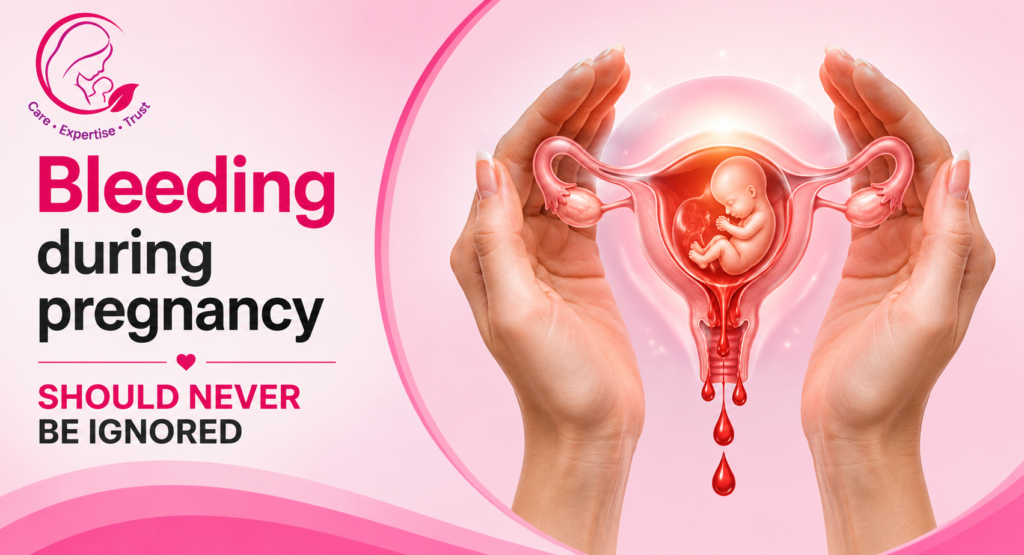
Bleeding during early pregnancy can be frightening, especially when you are eagerly waiting for your baby’s arrival. However, vaginal bleeding in the first trimester does not always mean that something is wrong. Light spotting can occur for several reasons, and many women who experience early pregnancy bleeding continue to have healthy pregnancies. At the same time, bleeding during pregnancy should never be ignored. Certain patterns of bleeding, especially when accompanied by pain or dizziness, may require prompt medical evaluation. What Is Considered Early Pregnancy Bleeding? Early pregnancy generally refers to the first 12 weeks of pregnancy. Bleeding may range from a few spots of pink, brown or red blood on underwear or toilet paper to heavier bleeding that requires a sanitary pad. The bleeding may occur once, continue for several hours, or come and go. The amount, colour, duration and associated symptoms can help your gynecologist understand what may be causing it. Common Causes of Bleeding in Early Pregnancy There are several possible reasons for bleeding during the first trimester. 1. Implantation-Related Bleeding Very light spotting can sometimes occur around the time the fertilized egg attaches to the uterine lining. This generally happens very early in pregnancy. 2. Changes in the Cervix Pregnancy increases blood flow to the cervix, making it more sensitive. Some women may notice spotting after sexual intercourse or a vaginal examination. 3. Infection Certain vaginal, cervical or urinary infections can sometimes cause bleeding or spotting and may require treatment. 4. Miscarriage Bleeding can sometimes be a sign of miscarriage, particularly when it is accompanied by cramping, abdominal pain, passage of tissue or increasing bleeding. However, bleeding alone does not necessarily mean that a miscarriage has occurred. 5. Ectopic Pregnancy An ectopic pregnancy occurs when the pregnancy develops outside the uterus, most commonly in a fallopian tube. Vaginal bleeding combined with abdominal or pelvic pain can be an important warning sign. 6. Molar Pregnancy Rarely, bleeding in early pregnancy can be associated with a molar pregnancy, in which abnormal tissue develops instead of a normal pregnancy. Medical assessment is needed to determine the cause. When Should You Seek Medical Care? Contact your gynecologist if you experience vaginal bleeding during pregnancy, particularly if it continues or becomes heavier. Seek urgent medical attention if you have: Severe pain, shoulder pain, dizziness or fainting together with bleeding can be warning signs of a pregnancy complication that needs immediate assessment. What Tests May Be Needed? Your gynecologist may recommend an evaluation based on your pregnancy stage and symptoms. This can include: An ultrasound may help determine the location and development of the pregnancy and identify possible causes of bleeding. What Should You Do If You Notice Spotting? If you notice bleeding, try to note: This information can help your doctor assess the situation more effectively. If you know that you are Rh-negative, tell your healthcare professional about the bleeding, as additional management may sometimes be required. Can Early Pregnancy Bleeding Be Normal? Yes, light bleeding or spotting can occur during early pregnancy and does not automatically indicate pregnancy loss. However, there is no reliable way to determine the cause based only on the amount or colour of blood. That is why it is important to discuss pregnancy bleeding with your gynecologist rather than assuming that it is either harmless or a miscarriage. Final Takeaway Bleeding during early pregnancy is not always a sign of danger, but it should be taken seriously. Light spotting may have a harmless cause, while heavier bleeding or bleeding accompanied by pain, dizziness, fainting or shoulder pain may require urgent medical care. If you experience bleeding during pregnancy, especially in the first trimester, consult your gynecologist for an appropriate evaluation. Early assessment can help identify potential complications and provide reassurance when the pregnancy is progressing normally. Frequently Asked Questions Q. Is spotting during early pregnancy always a sign of miscarriage?No. Spotting can occur for several reasons and does not automatically mean miscarriage. However, bleeding should be discussed with a healthcare professional. Q. When is pregnancy bleeding an emergency?Heavy bleeding, severe abdominal pain, shoulder pain, dizziness, fainting, or passage of tissue requires urgent medical evaluation. Q. Should I get an ultrasound after early pregnancy bleeding?Your gynecologist may recommend an ultrasound depending on your pregnancy stage, symptoms and medical history. It can help evaluate the pregnancy and identify possible causes of bleeding. Q. Can I wait if the bleeding is very light?Even light bleeding should be reported to your healthcare provider, particularly if it continues, returns, or is accompanied by pain or other symptoms. Medical Disclaimer: This article is intended for general educational purposes and should not replace an examination or personalized medical advice. If you are pregnant and experiencing bleeding or concerning symptoms, consult a qualified gynecologist promptly.
Best Gynecologist in Indore: When Should You See a Gynecologist?
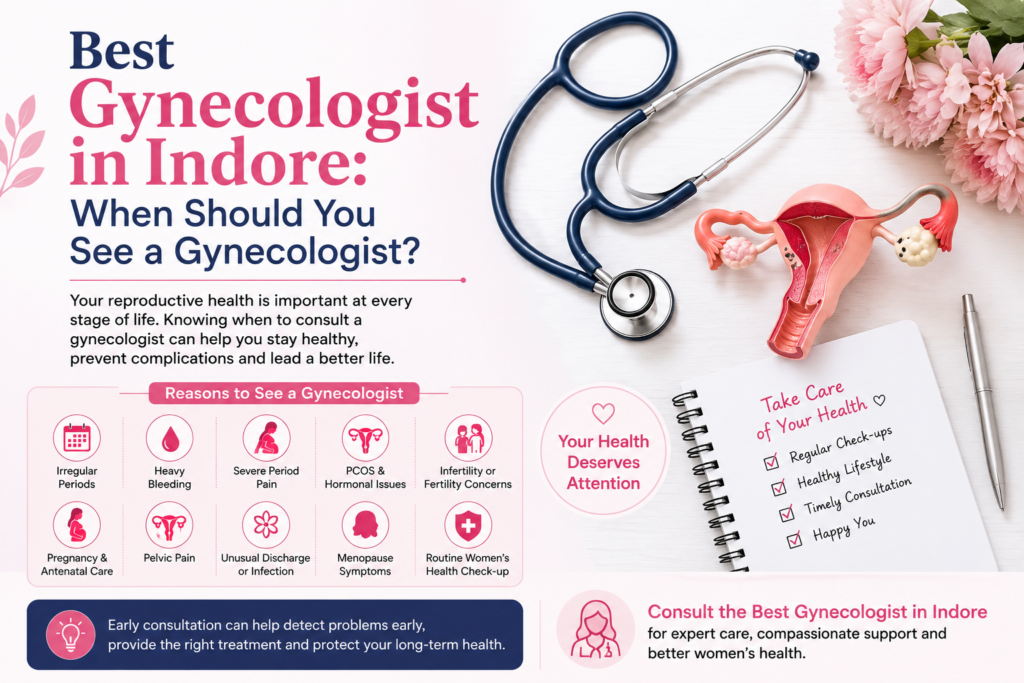
Introduction Women’s health changes throughout different stages of life. From the first menstrual cycle to pregnancy, fertility, menopause and beyond, regular attention to reproductive and hormonal health can help women understand their bodies and address concerns at the right time. Many women are unsure about when they should visit a gynecologist. Some wait until symptoms become severe, while others may not know whether a particular change requires medical attention. If you are looking for the Best Gynecologist in Indore, understanding when to schedule an appointment is an important first step. A gynecologist can evaluate menstrual concerns, PCOS, pelvic pain, pregnancy-related issues, fertility problems, menopause symptoms and many other women’s health conditions. When Should You See a Gynecologist? There is no single reason to visit a gynecologist. You may need an appointment because of a specific symptom, for pregnancy care, fertility planning or routine women’s healthcare. Here are some common situations when consulting a gynecologist may be appropriate. 1. Irregular Periods Menstrual cycles can vary, but persistent changes in your normal cycle may require evaluation. You should consider consulting the Best Gynecologist in Indore if your periods are frequently: Irregular periods can have several possible causes, including hormonal changes, PCOS, thyroid-related conditions, stress and other health issues. A gynecologist can assess your symptoms and determine whether further evaluation is needed. 2. Severe Period Pain Some menstrual discomfort can be common, but severe or worsening pain should not simply be ignored. If period pain interferes with your work, studies, sleep or daily activities, consider consulting a gynecologist. Conditions such as endometriosis, fibroids or other gynecological problems can sometimes cause significant pelvic or menstrual pain. The Best Gynecologist in Indore can review your symptoms and medical history and recommend appropriate evaluation when required. 3. Very Heavy Menstrual Bleeding Heavy menstrual bleeding can affect your quality of life and, in some cases, may contribute to anemia. If you regularly need to change menstrual products very frequently, experience prolonged bleeding or feel unusually tired during or after your periods, it is advisable to discuss these symptoms with a healthcare professional. A gynecologist can help determine the possible cause and discuss suitable treatment options. 4. Symptoms of PCOS or Hormonal Imbalance PCOS is a common hormonal and reproductive health condition. Symptoms may include irregular periods, acne, increased facial or body hair, scalp hair thinning and difficulty with ovulation. If you notice several of these symptoms, consulting the Best Gynecologist in Indore can help determine whether you need an evaluation. A proper diagnosis should be based on your medical history, symptoms, examination and appropriate investigations rather than on one symptom alone. 5. Difficulty Becoming Pregnant If you have been trying to conceive without success, a gynecologist can help evaluate possible factors affecting fertility. A fertility evaluation may consider menstrual and ovulation patterns, medical history and other relevant factors. Depending on the circumstances, additional investigations or referral to a fertility specialist may be recommended. Women planning pregnancy may also benefit from a preconception consultation to discuss general health, medications, lifestyle and pregnancy planning. 6. Pregnancy Care Pregnancy is another important reason to consult an obstetrician or gynecologist. Once pregnancy is confirmed, appropriate antenatal care helps monitor the health of both mother and baby. Your doctor can advise you about recommended check-ups, investigations, nutrition, supplements, vaccinations and other aspects of pregnancy care. Women with previous pregnancy complications or medical conditions may require additional monitoring. If you are searching for the Best Gynecologist in Indore for pregnancy care, consider the doctor’s obstetric experience and access to appropriate hospital and emergency facilities. 7. Pelvic Pain Persistent pelvic or lower abdominal pain should not be ignored, particularly when it is new, severe or associated with other symptoms. Pelvic pain can have several possible causes. A gynecologist can assess the location, duration and nature of the pain and determine whether investigations such as an ultrasound or laboratory tests may be appropriate. If pelvic pain is sudden and severe or occurs with other concerning symptoms, prompt medical assessment may be necessary. 8. Unusual Vaginal Discharge or Discomfort Changes in vaginal discharge can sometimes occur because of infections or other conditions. Consult a gynecologist if you experience persistent or unusual discharge, unpleasant odor, itching, burning, irritation or discomfort. Avoid self-treating recurrent symptoms without understanding the underlying cause. A medical evaluation can help identify whether treatment is necessary. 9. Menopause Symptoms Menopause is a natural stage of life, but symptoms can sometimes interfere with everyday activities. Women experiencing irregular periods, hot flashes, night sweats, sleep difficulties, vaginal dryness or other persistent symptoms may benefit from speaking with a gynecologist. A gynecologist can discuss lifestyle measures and appropriate treatment options based on your symptoms, age and overall health. 10. Concerns About Fertility or Reproductive Health You do not have to wait until you are trying to conceive to discuss reproductive health. If you have questions about fertility, menstrual health, contraception, PCOS, previous gynecological conditions or pregnancy planning, a consultation with the Best Gynecologist in Indore can provide an opportunity to discuss your individual needs. What Happens During a Gynecology Appointment? Your appointment will generally begin with a discussion about your symptoms and medical history. Depending on your concerns, the doctor may ask about: Depending on the situation, your doctor may recommend an examination, blood tests, ultrasound or other investigations. Not every woman needs the same tests or examination. Your evaluation should be based on your individual symptoms and healthcare needs. How to Choose the Best Gynecologist in Indore When searching for the Best Gynecologist in Indore, consider more than online ratings. Qualifications and Experience Check the doctor’s qualifications and experience in Obstetrics and Gynecology. If you need specialized care, consider relevant expertise in pregnancy, infertility, PCOS, laparoscopic procedures or other areas. Communication Choose a doctor who listens to your concerns and explains your condition and treatment options clearly. Appropriate Facilities For pregnancy, surgery or complex conditions, consider whether the doctor has access to appropriate diagnostic and hospital facilities. Patient Comfort Gynecology involves discussing personal health concerns.
Best Gynecologist in Indore: 10 Things to Consider Before Your First Visit

Introduction Choosing the Best Gynecologist in Indore is an important decision for women at every stage of life. Whether you are experiencing irregular periods, PCOS symptoms, fertility concerns, pregnancy-related changes, pelvic pain or menopause symptoms, consulting the right gynecologist can help you understand your condition and receive appropriate medical guidance. Your first gynecology appointment can sometimes feel uncomfortable, especially if you are discussing personal or reproductive health concerns. However, preparing beforehand can make the consultation easier and more productive. If you are searching for the Best Gynecologist in Indore, here are 10 important things to consider before your first visit. 1. Check the Gynecologist’s Qualifications The first step is to check the doctor’s educational qualifications and professional training. Look for appropriate qualifications in Obstetrics and Gynecology and any additional certifications or fellowships relevant to your healthcare needs. For specialized concerns, additional training in areas such as infertility, laparoscopic surgery, high-risk pregnancy or reproductive health may be valuable. A doctor’s qualifications can help you understand their professional background before scheduling an appointment. 2. Consider Clinical Experience Experience is another important factor when choosing the Best Gynecologist in Indore. Different gynecologists may have experience in different areas. Some focus primarily on pregnancy and obstetric care, while others may have extensive experience with infertility, PCOS, gynecological surgery, menstrual disorders or menopause. Before your appointment, consider whether the doctor’s experience aligns with the reason you are seeking consultation. 3. Identify Your Main Health Concern Before visiting a gynecologist, think about why you want to schedule the appointment. Your concern could include: Knowing your primary concern can help you choose a gynecologist with relevant expertise. 4. Check Whether the Doctor Offers the Services You Need Not every gynecologist provides exactly the same services. If you are looking for pregnancy care, check whether the doctor provides antenatal and obstetric services. If you are experiencing fertility problems, consider a specialist with experience in infertility evaluation and treatment. Women considering minimally invasive procedures may want to look for a gynecologist with appropriate laparoscopic or endoscopic surgical expertise. Choosing the Best Gynecologist in Indore should therefore depend on your individual healthcare requirements rather than simply choosing the most popular doctor. 5. Look at the Clinic and Hospital Facilities For routine consultations, a comfortable and accessible clinic may be sufficient. However, pregnancy care, complex gynecological conditions and surgical procedures may require access to diagnostic and hospital facilities. Before your first visit, consider: Good healthcare is not only about the consultation but also about having appropriate medical support when necessary. 6. Consider the Doctor’s Communication Style Communication is especially important in gynecology because patients often need to discuss sensitive or personal concerns. During your first consultation, consider whether the doctor: A strong doctor-patient relationship can make ongoing healthcare easier and more comfortable. 7. Read Patient Reviews Carefully Online reviews can provide useful information about other patients’ experiences. However, reviews should not be the only reason for choosing a gynecologist. Consider reviews alongside: The “best” gynecologist can be different for every patient because individual medical requirements vary. 8. Prepare Your Medical History Before your appointment, collect relevant medical information. This can help your gynecologist understand your health history more efficiently. If applicable, keep information about: For menstrual or fertility concerns, knowing the approximate dates and pattern of your periods can also be useful. 9. Prepare Questions Before Your Appointment It is normal to have questions during your first gynecology consultation. Writing them down beforehand can help you remember important concerns. You might ask: A consultation is an opportunity to understand your health, so do not hesitate to ask questions. 10. Think About Long-Term Healthcare Choosing the Best Gynecologist in Indore is not necessarily about finding a doctor for one appointment. Women may need gynecological care at different stages of life. You may eventually require care for menstrual health, contraception, pregnancy, postpartum recovery, fertility, PCOS, menopause or other women’s health concerns. For this reason, choosing a gynecologist whom you feel comfortable consulting over time can be beneficial. What Should You Expect During Your First Visit? Your first appointment may begin with a discussion about your symptoms, medical history and health concerns. Depending on your symptoms and medical needs, the doctor may recommend a physical examination, blood tests, ultrasound or other investigations. Not every patient requires the same tests or examination. Your evaluation should be based on your symptoms, medical history and clinical needs. If you are nervous about the appointment, remember that discussing reproductive and women’s health concerns is a routine part of a gynecologist’s work. When Should You See a Gynecologist? You should consider consulting a qualified gynecologist if you experience persistent or concerning symptoms such as: Early medical evaluation can help determine the underlying cause and whether treatment or monitoring is required. How to Find the Best Gynecologist in Indore for Your Needs When searching online for the Best Gynecologist in Indore, avoid making your decision based on a single factor. Instead, compare doctors based on: Qualifications: Does the doctor have appropriate training in Obstetrics and Gynecology? Experience: Does their experience match your specific concern? Specialization: Do they provide the type of women’s healthcare you require? Communication: Do they explain medical information clearly? Facilities: Are appropriate diagnostic and hospital facilities available? Accessibility: Is the clinic convenient for regular consultations and follow-ups? Patient experience: Do reviews provide useful insights into the consultation experience? Taking these factors together can help you make a more informed healthcare decision. Conclusion Finding the Best Gynecologist in Indore does not simply mean choosing the doctor with the highest online rating. The right gynecologist should have appropriate qualifications, relevant experience, suitable services, good communication skills and access to appropriate medical facilities. Before your first visit, identify your main health concern, prepare your medical history, collect previous reports and write down your questions. These simple steps can help make your consultation more productive. Whether you need support for PCOS, menstrual problems, pregnancy, infertility, menopause or another gynecological concern, choosing a qualified and experienced gynecologist is an important step