
Bleeding During Early Pregnancy? Here’s When to Seek Medical Care
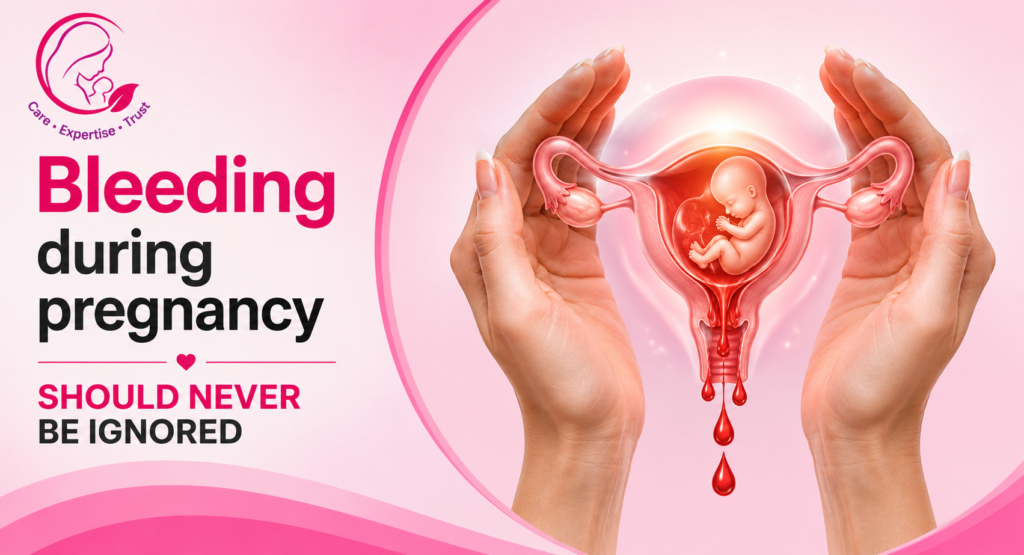
Bleeding during early pregnancy can be frightening, especially when you are eagerly waiting for your baby’s arrival. However, vaginal bleeding in the first trimester does not always mean that something is wrong. Light spotting can occur for several reasons, and many women who experience early pregnancy bleeding continue to have healthy pregnancies. At the same time, bleeding during pregnancy should never be ignored. Certain patterns of bleeding, especially when accompanied by pain or dizziness, may require prompt medical evaluation. What Is Considered Early Pregnancy Bleeding? Early pregnancy generally refers to the first 12 weeks of pregnancy. Bleeding may range from a few spots of pink, brown or red blood on underwear or toilet paper to heavier bleeding that requires a sanitary pad. The bleeding may occur once, continue for several hours, or come and go. The amount, colour, duration and associated symptoms can help your gynecologist understand what may be causing it. Common Causes of Bleeding in Early Pregnancy There are several possible reasons for bleeding during the first trimester. 1. Implantation-Related Bleeding Very light spotting can sometimes occur around the time the fertilized egg attaches to the uterine lining. This generally happens very early in pregnancy. 2. Changes in the Cervix Pregnancy increases blood flow to the cervix, making it more sensitive. Some women may notice spotting after sexual intercourse or a vaginal examination. 3. Infection Certain vaginal, cervical or urinary infections can sometimes cause bleeding or spotting and may require treatment. 4. Miscarriage Bleeding can sometimes be a sign of miscarriage, particularly when it is accompanied by cramping, abdominal pain, passage of tissue or increasing bleeding. However, bleeding alone does not necessarily mean that a miscarriage has occurred. 5. Ectopic Pregnancy An ectopic pregnancy occurs when the pregnancy develops outside the uterus, most commonly in a fallopian tube. Vaginal bleeding combined with abdominal or pelvic pain can be an important warning sign. 6. Molar Pregnancy Rarely, bleeding in early pregnancy can be associated with a molar pregnancy, in which abnormal tissue develops instead of a normal pregnancy. Medical assessment is needed to determine the cause. When Should You Seek Medical Care? Contact your gynecologist if you experience vaginal bleeding during pregnancy, particularly if it continues or becomes heavier. Seek urgent medical attention if you have: Severe pain, shoulder pain, dizziness or fainting together with bleeding can be warning signs of a pregnancy complication that needs immediate assessment. What Tests May Be Needed? Your gynecologist may recommend an evaluation based on your pregnancy stage and symptoms. This can include: An ultrasound may help determine the location and development of the pregnancy and identify possible causes of bleeding. What Should You Do If You Notice Spotting? If you notice bleeding, try to note: This information can help your doctor assess the situation more effectively. If you know that you are Rh-negative, tell your healthcare professional about the bleeding, as additional management may sometimes be required. Can Early Pregnancy Bleeding Be Normal? Yes, light bleeding or spotting can occur during early pregnancy and does not automatically indicate pregnancy loss. However, there is no reliable way to determine the cause based only on the amount or colour of blood. That is why it is important to discuss pregnancy bleeding with your gynecologist rather than assuming that it is either harmless or a miscarriage. Final Takeaway Bleeding during early pregnancy is not always a sign of danger, but it should be taken seriously. Light spotting may have a harmless cause, while heavier bleeding or bleeding accompanied by pain, dizziness, fainting or shoulder pain may require urgent medical care. If you experience bleeding during pregnancy, especially in the first trimester, consult your gynecologist for an appropriate evaluation. Early assessment can help identify potential complications and provide reassurance when the pregnancy is progressing normally. Frequently Asked Questions Q. Is spotting during early pregnancy always a sign of miscarriage?No. Spotting can occur for several reasons and does not automatically mean miscarriage. However, bleeding should be discussed with a healthcare professional. Q. When is pregnancy bleeding an emergency?Heavy bleeding, severe abdominal pain, shoulder pain, dizziness, fainting, or passage of tissue requires urgent medical evaluation. Q. Should I get an ultrasound after early pregnancy bleeding?Your gynecologist may recommend an ultrasound depending on your pregnancy stage, symptoms and medical history. It can help evaluate the pregnancy and identify possible causes of bleeding. Q. Can I wait if the bleeding is very light?Even light bleeding should be reported to your healthcare provider, particularly if it continues, returns, or is accompanied by pain or other symptoms. Medical Disclaimer: This article is intended for general educational purposes and should not replace an examination or personalized medical advice. If you are pregnant and experiencing bleeding or concerning symptoms, consult a qualified gynecologist promptly.
Best Gynecologist in Indore: When Should You See a Gynecologist?
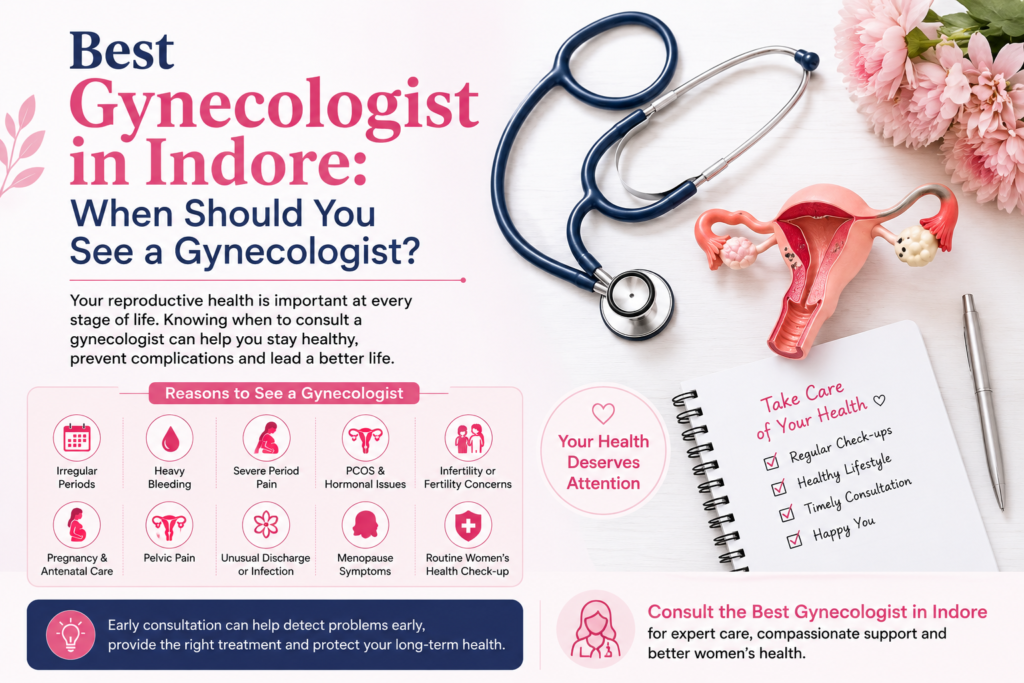
Introduction Women’s health changes throughout different stages of life. From the first menstrual cycle to pregnancy, fertility, menopause and beyond, regular attention to reproductive and hormonal health can help women understand their bodies and address concerns at the right time. Many women are unsure about when they should visit a gynecologist. Some wait until symptoms become severe, while others may not know whether a particular change requires medical attention. If you are looking for the Best Gynecologist in Indore, understanding when to schedule an appointment is an important first step. A gynecologist can evaluate menstrual concerns, PCOS, pelvic pain, pregnancy-related issues, fertility problems, menopause symptoms and many other women’s health conditions. When Should You See a Gynecologist? There is no single reason to visit a gynecologist. You may need an appointment because of a specific symptom, for pregnancy care, fertility planning or routine women’s healthcare. Here are some common situations when consulting a gynecologist may be appropriate. 1. Irregular Periods Menstrual cycles can vary, but persistent changes in your normal cycle may require evaluation. You should consider consulting the Best Gynecologist in Indore if your periods are frequently: Irregular periods can have several possible causes, including hormonal changes, PCOS, thyroid-related conditions, stress and other health issues. A gynecologist can assess your symptoms and determine whether further evaluation is needed. 2. Severe Period Pain Some menstrual discomfort can be common, but severe or worsening pain should not simply be ignored. If period pain interferes with your work, studies, sleep or daily activities, consider consulting a gynecologist. Conditions such as endometriosis, fibroids or other gynecological problems can sometimes cause significant pelvic or menstrual pain. The Best Gynecologist in Indore can review your symptoms and medical history and recommend appropriate evaluation when required. 3. Very Heavy Menstrual Bleeding Heavy menstrual bleeding can affect your quality of life and, in some cases, may contribute to anemia. If you regularly need to change menstrual products very frequently, experience prolonged bleeding or feel unusually tired during or after your periods, it is advisable to discuss these symptoms with a healthcare professional. A gynecologist can help determine the possible cause and discuss suitable treatment options. 4. Symptoms of PCOS or Hormonal Imbalance PCOS is a common hormonal and reproductive health condition. Symptoms may include irregular periods, acne, increased facial or body hair, scalp hair thinning and difficulty with ovulation. If you notice several of these symptoms, consulting the Best Gynecologist in Indore can help determine whether you need an evaluation. A proper diagnosis should be based on your medical history, symptoms, examination and appropriate investigations rather than on one symptom alone. 5. Difficulty Becoming Pregnant If you have been trying to conceive without success, a gynecologist can help evaluate possible factors affecting fertility. A fertility evaluation may consider menstrual and ovulation patterns, medical history and other relevant factors. Depending on the circumstances, additional investigations or referral to a fertility specialist may be recommended. Women planning pregnancy may also benefit from a preconception consultation to discuss general health, medications, lifestyle and pregnancy planning. 6. Pregnancy Care Pregnancy is another important reason to consult an obstetrician or gynecologist. Once pregnancy is confirmed, appropriate antenatal care helps monitor the health of both mother and baby. Your doctor can advise you about recommended check-ups, investigations, nutrition, supplements, vaccinations and other aspects of pregnancy care. Women with previous pregnancy complications or medical conditions may require additional monitoring. If you are searching for the Best Gynecologist in Indore for pregnancy care, consider the doctor’s obstetric experience and access to appropriate hospital and emergency facilities. 7. Pelvic Pain Persistent pelvic or lower abdominal pain should not be ignored, particularly when it is new, severe or associated with other symptoms. Pelvic pain can have several possible causes. A gynecologist can assess the location, duration and nature of the pain and determine whether investigations such as an ultrasound or laboratory tests may be appropriate. If pelvic pain is sudden and severe or occurs with other concerning symptoms, prompt medical assessment may be necessary. 8. Unusual Vaginal Discharge or Discomfort Changes in vaginal discharge can sometimes occur because of infections or other conditions. Consult a gynecologist if you experience persistent or unusual discharge, unpleasant odor, itching, burning, irritation or discomfort. Avoid self-treating recurrent symptoms without understanding the underlying cause. A medical evaluation can help identify whether treatment is necessary. 9. Menopause Symptoms Menopause is a natural stage of life, but symptoms can sometimes interfere with everyday activities. Women experiencing irregular periods, hot flashes, night sweats, sleep difficulties, vaginal dryness or other persistent symptoms may benefit from speaking with a gynecologist. A gynecologist can discuss lifestyle measures and appropriate treatment options based on your symptoms, age and overall health. 10. Concerns About Fertility or Reproductive Health You do not have to wait until you are trying to conceive to discuss reproductive health. If you have questions about fertility, menstrual health, contraception, PCOS, previous gynecological conditions or pregnancy planning, a consultation with the Best Gynecologist in Indore can provide an opportunity to discuss your individual needs. What Happens During a Gynecology Appointment? Your appointment will generally begin with a discussion about your symptoms and medical history. Depending on your concerns, the doctor may ask about: Depending on the situation, your doctor may recommend an examination, blood tests, ultrasound or other investigations. Not every woman needs the same tests or examination. Your evaluation should be based on your individual symptoms and healthcare needs. How to Choose the Best Gynecologist in Indore When searching for the Best Gynecologist in Indore, consider more than online ratings. Qualifications and Experience Check the doctor’s qualifications and experience in Obstetrics and Gynecology. If you need specialized care, consider relevant expertise in pregnancy, infertility, PCOS, laparoscopic procedures or other areas. Communication Choose a doctor who listens to your concerns and explains your condition and treatment options clearly. Appropriate Facilities For pregnancy, surgery or complex conditions, consider whether the doctor has access to appropriate diagnostic and hospital facilities. Patient Comfort Gynecology involves discussing personal health concerns.
Best Gynecologist in Indore: 10 Things to Consider Before Your First Visit

Introduction Choosing the Best Gynecologist in Indore is an important decision for women at every stage of life. Whether you are experiencing irregular periods, PCOS symptoms, fertility concerns, pregnancy-related changes, pelvic pain or menopause symptoms, consulting the right gynecologist can help you understand your condition and receive appropriate medical guidance. Your first gynecology appointment can sometimes feel uncomfortable, especially if you are discussing personal or reproductive health concerns. However, preparing beforehand can make the consultation easier and more productive. If you are searching for the Best Gynecologist in Indore, here are 10 important things to consider before your first visit. 1. Check the Gynecologist’s Qualifications The first step is to check the doctor’s educational qualifications and professional training. Look for appropriate qualifications in Obstetrics and Gynecology and any additional certifications or fellowships relevant to your healthcare needs. For specialized concerns, additional training in areas such as infertility, laparoscopic surgery, high-risk pregnancy or reproductive health may be valuable. A doctor’s qualifications can help you understand their professional background before scheduling an appointment. 2. Consider Clinical Experience Experience is another important factor when choosing the Best Gynecologist in Indore. Different gynecologists may have experience in different areas. Some focus primarily on pregnancy and obstetric care, while others may have extensive experience with infertility, PCOS, gynecological surgery, menstrual disorders or menopause. Before your appointment, consider whether the doctor’s experience aligns with the reason you are seeking consultation. 3. Identify Your Main Health Concern Before visiting a gynecologist, think about why you want to schedule the appointment. Your concern could include: Knowing your primary concern can help you choose a gynecologist with relevant expertise. 4. Check Whether the Doctor Offers the Services You Need Not every gynecologist provides exactly the same services. If you are looking for pregnancy care, check whether the doctor provides antenatal and obstetric services. If you are experiencing fertility problems, consider a specialist with experience in infertility evaluation and treatment. Women considering minimally invasive procedures may want to look for a gynecologist with appropriate laparoscopic or endoscopic surgical expertise. Choosing the Best Gynecologist in Indore should therefore depend on your individual healthcare requirements rather than simply choosing the most popular doctor. 5. Look at the Clinic and Hospital Facilities For routine consultations, a comfortable and accessible clinic may be sufficient. However, pregnancy care, complex gynecological conditions and surgical procedures may require access to diagnostic and hospital facilities. Before your first visit, consider: Good healthcare is not only about the consultation but also about having appropriate medical support when necessary. 6. Consider the Doctor’s Communication Style Communication is especially important in gynecology because patients often need to discuss sensitive or personal concerns. During your first consultation, consider whether the doctor: A strong doctor-patient relationship can make ongoing healthcare easier and more comfortable. 7. Read Patient Reviews Carefully Online reviews can provide useful information about other patients’ experiences. However, reviews should not be the only reason for choosing a gynecologist. Consider reviews alongside: The “best” gynecologist can be different for every patient because individual medical requirements vary. 8. Prepare Your Medical History Before your appointment, collect relevant medical information. This can help your gynecologist understand your health history more efficiently. If applicable, keep information about: For menstrual or fertility concerns, knowing the approximate dates and pattern of your periods can also be useful. 9. Prepare Questions Before Your Appointment It is normal to have questions during your first gynecology consultation. Writing them down beforehand can help you remember important concerns. You might ask: A consultation is an opportunity to understand your health, so do not hesitate to ask questions. 10. Think About Long-Term Healthcare Choosing the Best Gynecologist in Indore is not necessarily about finding a doctor for one appointment. Women may need gynecological care at different stages of life. You may eventually require care for menstrual health, contraception, pregnancy, postpartum recovery, fertility, PCOS, menopause or other women’s health concerns. For this reason, choosing a gynecologist whom you feel comfortable consulting over time can be beneficial. What Should You Expect During Your First Visit? Your first appointment may begin with a discussion about your symptoms, medical history and health concerns. Depending on your symptoms and medical needs, the doctor may recommend a physical examination, blood tests, ultrasound or other investigations. Not every patient requires the same tests or examination. Your evaluation should be based on your symptoms, medical history and clinical needs. If you are nervous about the appointment, remember that discussing reproductive and women’s health concerns is a routine part of a gynecologist’s work. When Should You See a Gynecologist? You should consider consulting a qualified gynecologist if you experience persistent or concerning symptoms such as: Early medical evaluation can help determine the underlying cause and whether treatment or monitoring is required. How to Find the Best Gynecologist in Indore for Your Needs When searching online for the Best Gynecologist in Indore, avoid making your decision based on a single factor. Instead, compare doctors based on: Qualifications: Does the doctor have appropriate training in Obstetrics and Gynecology? Experience: Does their experience match your specific concern? Specialization: Do they provide the type of women’s healthcare you require? Communication: Do they explain medical information clearly? Facilities: Are appropriate diagnostic and hospital facilities available? Accessibility: Is the clinic convenient for regular consultations and follow-ups? Patient experience: Do reviews provide useful insights into the consultation experience? Taking these factors together can help you make a more informed healthcare decision. Conclusion Finding the Best Gynecologist in Indore does not simply mean choosing the doctor with the highest online rating. The right gynecologist should have appropriate qualifications, relevant experience, suitable services, good communication skills and access to appropriate medical facilities. Before your first visit, identify your main health concern, prepare your medical history, collect previous reports and write down your questions. These simple steps can help make your consultation more productive. Whether you need support for PCOS, menstrual problems, pregnancy, infertility, menopause or another gynecological concern, choosing a qualified and experienced gynecologist is an important step