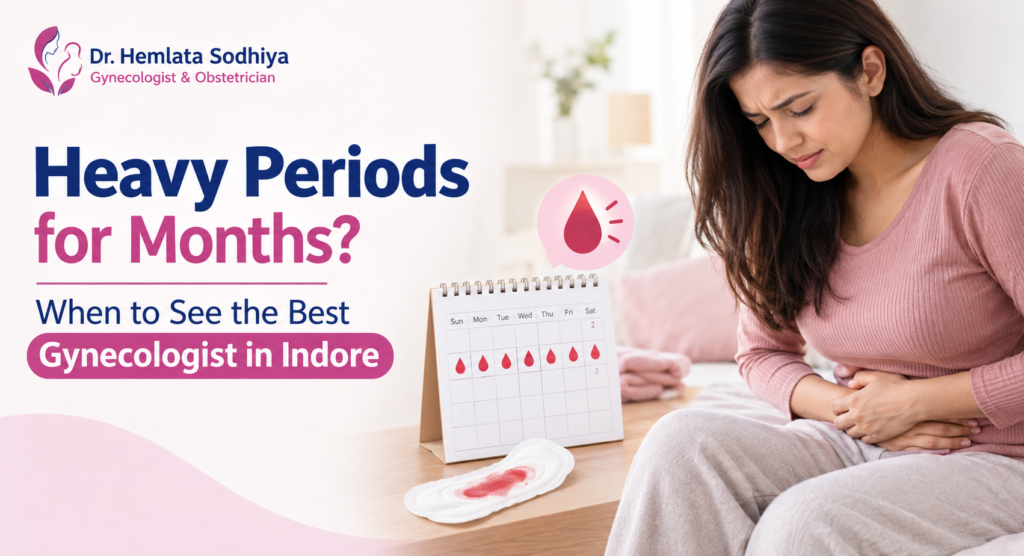
Heavy menstrual bleeding can be more than just an uncomfortable period. If your periods have been unusually heavy for several months, last longer than usual, or interfere with your daily routine, it may be time to consult a gynecologist. Persistent heavy bleeding can sometimes indicate an underlying hormonal, uterine, or other health condition that needs proper evaluation.
Consulting the Best Gynecologist in Indore can help identify the possible cause of heavy periods and guide you toward appropriate treatment.
What Are Heavy Periods?
Heavy menstrual bleeding, sometimes called menorrhagia, refers to menstrual bleeding that is unusually heavy or lasts longer than expected. Every woman’s menstrual flow can be different, so what is considered heavy may vary.
You may have heavy periods if you:
- Need to change a sanitary pad or tampon very frequently
- Frequently experience leakage through sanitary protection
- Pass large blood clots
- Have periods lasting more than 7 days
- Feel unusually tired or weak during or after your period
- Find that heavy bleeding interferes with work, sleep, exercise, or daily activities
If these symptoms continue for several months, speaking with the Best Gynecologist in Indore can be an important step toward understanding the problem.
Common Causes of Heavy Periods
There are several possible reasons for prolonged or heavy menstrual bleeding. Some common causes include:
1. Hormonal Imbalance
Changes in estrogen and progesterone levels can affect the menstrual cycle and cause the uterine lining to become thicker than usual. This may result in heavier or irregular bleeding.
Hormonal changes can occur during adolescence, the years leading up to menopause, or because of certain medical conditions.
2. Fibroids
Uterine fibroids are non-cancerous growths that can develop in or around the uterus. Depending on their size and location, fibroids may cause heavy periods, pelvic pressure, cramps, or prolonged bleeding.
3. Adenomyosis
Adenomyosis occurs when tissue similar to the uterine lining grows into the muscular wall of the uterus. It may cause heavy or painful periods and pelvic discomfort.
4. Endometrial Polyps
Polyps are growths that develop in the lining of the uterus. They can sometimes cause heavy periods, spotting between periods, or irregular bleeding.
5. Thyroid Problems
The thyroid plays an important role in regulating several body functions, including the menstrual cycle. Both an underactive and overactive thyroid can sometimes affect periods.
6. Certain Medications
Some medicines, including certain blood-thinning medications, may increase menstrual bleeding. If you notice a significant change after starting a medicine, discuss it with your doctor rather than stopping it on your own.
7. Pregnancy-Related Causes
Unexpected heavy bleeding can sometimes be related to pregnancy complications. If there is any possibility of pregnancy and you experience heavy bleeding, medical evaluation is important.
When Should You See a Gynecologist?
You should consider consulting the Best Gynecologist in Indore if heavy periods continue for several cycles or are affecting your quality of life.
Seek medical advice if:
- Your periods consistently last longer than 7 days
- You frequently need to change your pad or tampon
- You pass unusually large blood clots
- You experience severe menstrual pain
- You feel tired, weak, dizzy, or short of breath
- You have bleeding between periods
- You experience bleeding after sexual intercourse
- Your menstrual pattern suddenly changes
- Heavy bleeding is affecting your work or daily activities
Early evaluation can help determine whether the bleeding is caused by a treatable condition.
Can Heavy Periods Cause Anemia?
Yes. Persistent heavy menstrual bleeding can lead to iron deficiency and anemia because the body may lose more blood than it can replace.
Possible symptoms of anemia include:
- Persistent tiredness
- Weakness
- Dizziness
- Headaches
- Shortness of breath
- Pale skin
- Reduced concentration
If you experience these symptoms along with heavy periods, a gynecological evaluation and appropriate blood tests may be recommended.
How Are Heavy Periods Diagnosed?
Your gynecologist may begin by asking about your menstrual history, bleeding pattern, medications, medical history, pregnancy possibility, and other symptoms.
Depending on your symptoms, your doctor may recommend tests such as:
- Complete blood count (CBC)
- Iron studies when appropriate
- Thyroid testing when indicated
- Pregnancy testing when relevant
- Pelvic examination
- Pelvic ultrasound
- Other tests based on your age, symptoms, and medical history
The exact evaluation depends on the individual patient.
Treatment Options for Heavy Periods
Treatment depends on the underlying cause, severity of bleeding, age, reproductive plans, and overall health.
Depending on the diagnosis, treatment may include:
Medicines
Your doctor may recommend medicines to reduce menstrual bleeding, manage pain, or correct an underlying hormonal problem.
Hormonal Treatment
Certain hormonal treatments can help regulate the menstrual cycle and reduce excessive bleeding in appropriate patients.
Treatment for Fibroids or Polyps
If fibroids or polyps are responsible for heavy bleeding, your gynecologist may discuss medical or surgical treatment options depending on their size, location, symptoms, and your future pregnancy plans.
Surgical Treatment
In some situations, a minimally invasive or other surgical procedure may be considered when medication is not effective or when there is a structural cause requiring treatment.
Your gynecologist can explain the benefits, risks, and alternatives before deciding on a treatment.
Why Choose the Best Gynecologist in Indore?
Heavy periods should not simply be considered something you have to live with. A qualified gynecologist can help identify the reason behind persistent bleeding and create an individualized treatment plan.
When choosing the Best Gynecologist in Indore, consider factors such as:
- Experience in women’s health and menstrual disorders
- Proper medical qualifications
- Experience with diagnostic procedures
- Availability of appropriate treatment options
- Clear communication and patient-focused care
- Experience managing both medical and surgical gynecological conditions
A detailed evaluation can make it easier to understand what is causing your symptoms and what treatment may be appropriate.
Don’t Ignore Persistent Heavy Bleeding
Having a heavy period occasionally may not always indicate a serious problem. However, heavy bleeding that continues for several months deserves attention, especially when it affects your daily life or causes weakness and fatigue.
Instead of managing the symptoms on your own, consider consulting the Best Gynecologist in Indore for a proper evaluation. Finding the underlying cause early can help you receive timely and appropriate care.
Frequently Asked Questions
1. When are periods considered too heavy?
Periods may be considered unusually heavy when bleeding is difficult to manage, lasts longer than usual, requires very frequent changing of sanitary protection, or significantly interferes with daily activities.
2. Can fibroids cause heavy periods?
Yes. Uterine fibroids can cause heavy or prolonged menstrual bleeding, depending on their size and location.
3. Can heavy periods cause anemia?
Yes. Repeated heavy blood loss can contribute to iron deficiency and anemia, which may cause tiredness, weakness, dizziness, or shortness of breath.
4. Should I see a gynecologist for heavy periods?
If heavy bleeding continues for several cycles, is getting worse, or affects your daily life, it is advisable to consult a gynecologist for evaluation.
5. Can heavy periods be treated?
Yes. Treatment depends on the underlying cause and may include medication, hormonal treatment, minimally invasive procedures, or surgery when appropriate.