
The arrival of a baby brings happiness, excitement, and many changes to a couple’s life. However, childbirth also brings physical and emotional changes for the mother. During the first few weeks after delivery, she needs time to recover, adjust to her baby’s routine, and regain her strength.
One common question many new parents have is: When is it safe to resume sexual activity after delivery?
Some women feel ready within a few weeks, while others need more time. Both experiences can be normal. Recovery depends on the type of delivery, healing of stitches, bleeding, hormonal changes, and emotional readiness.
If you have questions about postpartum recovery, consulting a Pregnancy Doctor in Palasia can help you understand your individual needs and make informed decisions about your health.
1. How Long Should You Wait After Delivery?
There is no single date that is right for every woman. Many healthcare professionals recommend waiting until postpartum bleeding has stopped and any tears, stitches, or surgical wounds have healed sufficiently. For many women, this may take around four to six weeks, but recovery varies.
Consider a new mother who has recently delivered her baby. She may feel physically better after a few weeks, but she might still experience tenderness, fatigue, or vaginal dryness. These are reasons to take things slowly rather than rushing into sexual activity.
A Pregnancy Doctor in Palasia can assess your recovery, especially if you experienced complications during childbirth.
Remember, the important factors are healing, comfort, and readiness—not simply the number of days since delivery.
2. Does Normal Delivery Affect Recovery?
After a vaginal delivery, the body needs time to recover from stretching and pressure during childbirth.
Some women experience vaginal soreness, swelling, or small tears that require stitches. Others may have an episiotomy, a surgical cut sometimes made to help with delivery.
During recovery, you should:
- Allow stitches and injured tissues to heal.
- Maintain gentle personal hygiene.
- Avoid activities that cause pain or discomfort.
- Follow your doctor’s instructions regarding wound care.
- Seek medical advice if pain increases or unusual discharge develops.
If you still experience tenderness around your stitches, do not force sexual activity. A Pregnancy Doctor in Palasia can examine the affected area and advise when it may be appropriate to resume intercourse.
3. When Can You Have Sex After a C-Section?
A C-section involves abdominal surgery, so recovery requires special attention. Even if there is no vaginal tear, the uterus, abdominal tissues, and surgical incision need time to heal.
Some women feel ready for intimacy after several weeks, while others require longer.
Before resuming sexual activity, make sure you can move comfortably and that your incision is healing without concerning symptoms.
Keep these precautions in mind:
- Avoid positions that put pressure on your abdomen.
- Stop if you experience pain or pulling around the incision.
- Follow your postoperative instructions.
- Attend your recommended follow-up appointments.
A Pregnancy Doctor in Palasia can help assess your healing and discuss any discomfort you experience after a C-section.
Seek prompt medical attention if you notice worsening abdominal pain, fever, pus from the incision, or increasing redness or swelling.
4. Why Can Sex Feel Painful After Delivery?
Some women experience discomfort when they first resume sexual activity after childbirth. This can happen for several reasons.
Healing stitches: Vaginal tears and episiotomy wounds may remain sensitive during recovery.
Hormonal changes: Oestrogen levels can decrease after childbirth, particularly during breastfeeding. This may cause vaginal dryness and discomfort.
Pelvic floor changes: Pregnancy and delivery can affect the muscles that support the pelvic organs.
Fatigue and emotional stress: Sleep deprivation, anxiety, and adjusting to parenthood can affect sexual desire and readiness.
If you experience discomfort, stop and allow yourself more time. A water-based lubricant may help with dryness. Persistent or severe pain should not be ignored.
A Pregnancy Doctor in Palasia can help identify the cause and recommend suitable treatment, including pelvic floor physiotherapy when appropriate.
5. Does Breastfeeding Affect Sexual Desire?
Yes, breastfeeding can influence sexual desire and comfort after childbirth.
Hormonal changes during breastfeeding may reduce vaginal lubrication and affect libido. Some women also feel exhausted because of frequent feeding, interrupted sleep, and caring for their newborn.
These changes do not mean that something is wrong with your relationship or your body.
You can support your recovery by getting help with childcare, resting when possible, communicating openly with your partner, and taking intimacy at your own pace.
If dryness or discomfort continues, a Pregnancy Doctor in Palasia can discuss appropriate options that are compatible with your breastfeeding needs.
6. Can You Get Pregnant Before Your First Period After Delivery?

Yes. Pregnancy can occur before your first postpartum period.
Ovulation may return before menstruation resumes, which means you could become pregnant without having had a period since childbirth.
Breastfeeding may delay the return of fertility, but it does not always prevent pregnancy. The lactational amenorrhea method only works as contraception under specific conditions, including exclusive or nearly exclusive breastfeeding, no return of periods, and being less than six months postpartum.
If you do not want another pregnancy soon, discuss contraception before resuming sexual activity.
Options may include condoms, progestogen-only contraception, an intrauterine device, or other suitable methods depending on your circumstances.
A Pregnancy Doctor in Palasia can explain the available options and help you choose one that suits your health, breastfeeding status, and family-planning goals.
7. When Should You Avoid Sexual Activity and Seek Medical Advice?
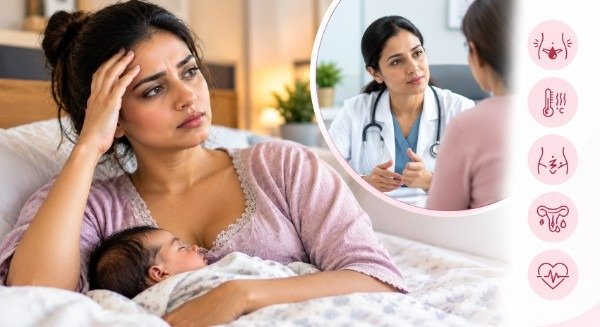
Your body may need additional time to heal after a complicated delivery, significant vaginal tears, infection, or other postpartum problems.
Delay intercourse and seek medical advice if you experience:
- Heavy or increasing vaginal bleeding.
- Severe pelvic or abdominal pain.
- Fever or foul-smelling vaginal discharge.
- Painful, unhealed stitches.
- A C-section wound that is opening or becoming increasingly red.
- Persistent pain during intercourse.
If you develop sudden severe pain, fainting, chest pain, or difficulty breathing, seek emergency medical care.
A Pregnancy Doctor in Palasia can assess your symptoms and help determine whether further examination or treatment is needed.
8. How Can Couples Make the First Experience More Comfortable?
Resuming intimacy should be a gradual and mutually comfortable decision.
Start by discussing how you feel with your partner. Emotional closeness, cuddling, and other forms of intimacy can help you reconnect without pressure to have intercourse.
When you both feel ready:
- Choose a comfortable time when you are rested.
- Use a suitable lubricant if needed.
- Begin gently and communicate openly.
- Avoid positions that put pressure on healing areas.
- Stop immediately if you feel pain.
There is no need to compare your recovery with another mother’s experience. Each person’s physical and emotional needs are different.
If you remain anxious about pain or healing, a Pregnancy Doctor in Palasia can answer your questions and help you feel more confident about your postpartum recovery.
Conclusion
Resuming sexual activity after delivery is a personal decision that depends on physical healing, comfort, and emotional readiness. Whether you have had a vaginal delivery or a C-section, give your body enough time to recover and seek medical advice if you experience pain, unusual bleeding, or other concerning symptoms.
Remember that fertility may return before your first period, so contraception is important if you wish to avoid another pregnancy.
For personalised guidance about postpartum healing, breastfeeding-related discomfort, and contraception, consult a Pregnancy Doctor in Palasia. Taking care of your health after childbirth is an important part of caring for yourself and your growing family.
3. Frequently Asked Questions (FAQs)
1. When can I resume sexual activity after delivery?
Many women wait around four to six weeks, but there is no universal timeline. Healing, bleeding, comfort, and individual medical circumstances should guide the decision.
2. Is sex painful after normal delivery?
It can be, particularly if you have stitches, vaginal soreness, or dryness. Lubricants may help, but persistent pain should be discussed with your doctor.
3. When can I have sex after a C-section?
You may need several weeks to recover from abdominal surgery. Resume intercourse when you are comfortable, healing is adequate, and your clinician’s advice supports it.
4. Can breastfeeding cause vaginal dryness?
Yes. Hormonal changes associated with breastfeeding can reduce vaginal lubrication. A suitable lubricant or medical advice may help.
5. Can I get pregnant before my first period after delivery?
Yes. Ovulation can occur before your first period, so contraception is important if you wish to prevent pregnancy.
6. What should I do if sex is painful after childbirth?
Stop if you experience pain. Allow more time for recovery and consult a healthcare professional if discomfort persists or becomes severe.
7. Which doctor should I consult for postpartum recovery?
A qualified gynecologist or obstetrician can assess postpartum healing, discuss sexual health, and recommend appropriate contraception and treatment.
.