
Pregnancy Doctor in Palasia: Breastfeeding Problems After Delivery, When Should You Seek Medical Advice?
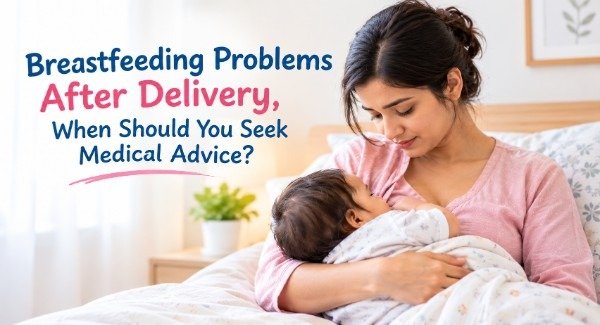
The arrival of a newborn is a beautiful moment, but the first few days after delivery can also bring unexpected challenges. Many new mothers look forward to breastfeeding their babies, only to discover that feeding may not always be easy. Some mothers experience nipple pain, difficulty getting the baby to latch, concerns about low milk supply, or breasts that feel swollen and uncomfortable. These problems can cause stress, especially when a mother is already recovering from childbirth and getting used to caring for her newborn. The good news is that many breastfeeding difficulties can be managed with the right support. Consulting a Pregnancy Doctor in Palasia can help you understand what is happening and determine whether you need medical treatment or breastfeeding guidance. Let’s explore the common breastfeeding problems after delivery, how to manage them, and when to seek medical advice. 1. Why Do Breastfeeding Problems Occur After Delivery? Imagine a new mother named Priya. After delivering her baby, she begins breastfeeding but notices that her baby struggles to latch properly. Feeding takes longer than expected, and she feels pain during each session. Priya starts worrying that she may not be producing enough milk. Experiences like Priya’s are common. Breastfeeding is a learning process for both mother and baby, and it can take time to establish a comfortable feeding routine. Common reasons for breastfeeding difficulties include: A Pregnancy Doctor in Palasia can assess the mother’s symptoms, check for possible complications, and help arrange lactation support when needed. 2. Painful Breastfeeding and Sore Nipples Some nipple tenderness can occur during the early days of breastfeeding. However, severe pain, persistent soreness, or cracked nipples should not be ignored. One common cause is an improper latch. When a baby attaches mainly to the nipple instead of taking enough of the surrounding areola into the mouth, feeding can become painful. What can help? If pain continues throughout feeding, or your nipples become cracked or bleed, seek professional advice. A Pregnancy Doctor in Palasia can help identify the cause of nipple pain and guide you towards more comfortable breastfeeding. 3. Low Breast Milk Supply: Is Your Baby Getting Enough Milk? Many mothers worry that they are not producing enough breast milk, particularly during the first few days after delivery. Initially, the breasts produce colostrum, a concentrated early milk rich in nutrients and protective antibodies. Although it is produced in small quantities, it is suited to a newborn’s needs. Milk production generally increases over the following days. However, some mothers experience difficulties establishing an adequate supply. Signs that your baby may be getting enough milk Look for several signs together rather than relying on one observation: If your newborn is unusually sleepy, feeds poorly, has fewer wet nappies than expected, or is not gaining weight appropriately, seek medical advice promptly. A Pregnancy Doctor in Palasia can assess your concerns and help determine whether feeding support, closer monitoring, or additional care is needed. Do not start supplements, medicines, or herbal products to increase milk supply without professional guidance. 4. Breast Engorgement After Delivery Breast engorgement occurs when the breasts become excessively full, swollen, firm, or uncomfortable. It can happen when milk production increases after delivery or when milk is not being removed effectively. Engorgement may make it difficult for the baby to latch properly. Tips for managing breast engorgement If your breast becomes increasingly painful, red, hot, or swollen, especially with fever or flu-like symptoms, contact a healthcare professional promptly. A Pregnancy Doctor in Palasia can help determine whether the symptoms suggest engorgement, mastitis, or another condition requiring treatment. 5. Blocked Milk Ducts and Mastitis Sometimes a mother develops a tender or swollen area in her breast. This may be associated with inflammation in the breast tissue or narrowing of milk ducts. Mastitis is inflammation of the breast that may occur during breastfeeding. Symptoms can include localised pain, redness, swelling, fever, and feeling generally unwell. When should you seek medical advice? Contact a healthcare professional if you experience: Do not attempt to forcefully massage a painful lump or repeatedly pump to completely empty the breast, as excessive stimulation and pressure can worsen inflammation. A Pregnancy Doctor in Palasia can evaluate your symptoms and advise whether medication or further assessment is required. 6. Breastfeeding After a C-Section Breastfeeding after a C-section is possible, but recovery from abdominal surgery can make positioning uncomfortable. Some mothers find it difficult to sit upright or hold their babies against the incision. Others feel tired because of pain, interrupted sleep, and the demands of recovery. Comfortable breastfeeding positions Consider positions that reduce pressure on your abdomen, such as: Ask a healthcare professional or lactation consultant to demonstrate safe positioning. A Pregnancy Doctor in Palasia can also help address pain management, wound recovery, and breastfeeding concerns following a C-section. 7. When Should You Seek Medical Advice? Not every breastfeeding challenge requires medical treatment, but certain symptoms need prompt attention. Contact your doctor if you have persistent nipple pain, difficulty feeding your baby, concerns about milk supply, or a breast lump that does not improve. Seek prompt assessment if you develop fever, worsening breast redness, severe pain, or flu-like symptoms. Your baby also needs urgent assessment if they are difficult to wake, feed very poorly, show signs of dehydration, or develop worsening jaundice. Seek emergency medical care if your baby is unresponsive or has difficulty breathing. A Pregnancy Doctor in Palasia can assess maternal recovery and breastfeeding difficulties. A paediatrician should evaluate concerns about your newborn’s health, feeding, or weight. 8. How Can You Make Breastfeeding Easier? Breastfeeding often becomes more comfortable with time, practice, and appropriate support. Here are a few practical tips: Remember that asking for help is not a sign of failure. Every mother and baby has different needs, and the right feeding plan should support both maternal health and the baby’s growth. A Pregnancy Doctor in Palasia can guide you towards appropriate support and help you make informed decisions about feeding your baby. Conclusion Breastfeeding can be a rewarding experience,
When Can You Resume Sexual Activity After Delivery?

The arrival of a baby brings happiness, excitement, and many changes to a couple’s life. However, childbirth also brings physical and emotional changes for the mother. During the first few weeks after delivery, she needs time to recover, adjust to her baby’s routine, and regain her strength. One common question many new parents have is: When is it safe to resume sexual activity after delivery? Some women feel ready within a few weeks, while others need more time. Both experiences can be normal. Recovery depends on the type of delivery, healing of stitches, bleeding, hormonal changes, and emotional readiness. If you have questions about postpartum recovery, consulting a Pregnancy Doctor in Palasia can help you understand your individual needs and make informed decisions about your health. 1. How Long Should You Wait After Delivery? There is no single date that is right for every woman. Many healthcare professionals recommend waiting until postpartum bleeding has stopped and any tears, stitches, or surgical wounds have healed sufficiently. For many women, this may take around four to six weeks, but recovery varies. Consider a new mother who has recently delivered her baby. She may feel physically better after a few weeks, but she might still experience tenderness, fatigue, or vaginal dryness. These are reasons to take things slowly rather than rushing into sexual activity. A Pregnancy Doctor in Palasia can assess your recovery, especially if you experienced complications during childbirth. Remember, the important factors are healing, comfort, and readiness—not simply the number of days since delivery. 2. Does Normal Delivery Affect Recovery? After a vaginal delivery, the body needs time to recover from stretching and pressure during childbirth. Some women experience vaginal soreness, swelling, or small tears that require stitches. Others may have an episiotomy, a surgical cut sometimes made to help with delivery. During recovery, you should: If you still experience tenderness around your stitches, do not force sexual activity. A Pregnancy Doctor in Palasia can examine the affected area and advise when it may be appropriate to resume intercourse. 3. When Can You Have Sex After a C-Section? A C-section involves abdominal surgery, so recovery requires special attention. Even if there is no vaginal tear, the uterus, abdominal tissues, and surgical incision need time to heal. Some women feel ready for intimacy after several weeks, while others require longer. Before resuming sexual activity, make sure you can move comfortably and that your incision is healing without concerning symptoms. Keep these precautions in mind: A Pregnancy Doctor in Palasia can help assess your healing and discuss any discomfort you experience after a C-section. Seek prompt medical attention if you notice worsening abdominal pain, fever, pus from the incision, or increasing redness or swelling. 4. Why Can Sex Feel Painful After Delivery? Some women experience discomfort when they first resume sexual activity after childbirth. This can happen for several reasons. Healing stitches: Vaginal tears and episiotomy wounds may remain sensitive during recovery. Hormonal changes: Oestrogen levels can decrease after childbirth, particularly during breastfeeding. This may cause vaginal dryness and discomfort. Pelvic floor changes: Pregnancy and delivery can affect the muscles that support the pelvic organs. Fatigue and emotional stress: Sleep deprivation, anxiety, and adjusting to parenthood can affect sexual desire and readiness. If you experience discomfort, stop and allow yourself more time. A water-based lubricant may help with dryness. Persistent or severe pain should not be ignored. A Pregnancy Doctor in Palasia can help identify the cause and recommend suitable treatment, including pelvic floor physiotherapy when appropriate. 5. Does Breastfeeding Affect Sexual Desire? Yes, breastfeeding can influence sexual desire and comfort after childbirth. Hormonal changes during breastfeeding may reduce vaginal lubrication and affect libido. Some women also feel exhausted because of frequent feeding, interrupted sleep, and caring for their newborn. These changes do not mean that something is wrong with your relationship or your body. You can support your recovery by getting help with childcare, resting when possible, communicating openly with your partner, and taking intimacy at your own pace. If dryness or discomfort continues, a Pregnancy Doctor in Palasia can discuss appropriate options that are compatible with your breastfeeding needs. 6. Can You Get Pregnant Before Your First Period After Delivery? Yes. Pregnancy can occur before your first postpartum period. Ovulation may return before menstruation resumes, which means you could become pregnant without having had a period since childbirth. Breastfeeding may delay the return of fertility, but it does not always prevent pregnancy. The lactational amenorrhea method only works as contraception under specific conditions, including exclusive or nearly exclusive breastfeeding, no return of periods, and being less than six months postpartum. If you do not want another pregnancy soon, discuss contraception before resuming sexual activity. Options may include condoms, progestogen-only contraception, an intrauterine device, or other suitable methods depending on your circumstances. A Pregnancy Doctor in Palasia can explain the available options and help you choose one that suits your health, breastfeeding status, and family-planning goals. 7. When Should You Avoid Sexual Activity and Seek Medical Advice? Your body may need additional time to heal after a complicated delivery, significant vaginal tears, infection, or other postpartum problems. Delay intercourse and seek medical advice if you experience: If you develop sudden severe pain, fainting, chest pain, or difficulty breathing, seek emergency medical care. A Pregnancy Doctor in Palasia can assess your symptoms and help determine whether further examination or treatment is needed. 8. How Can Couples Make the First Experience More Comfortable? Resuming intimacy should be a gradual and mutually comfortable decision. Start by discussing how you feel with your partner. Emotional closeness, cuddling, and other forms of intimacy can help you reconnect without pressure to have intercourse. When you both feel ready: There is no need to compare your recovery with another mother’s experience. Each person’s physical and emotional needs are different. If you remain anxious about pain or healing, a Pregnancy Doctor in Palasia can answer your questions and help you feel more confident about your postpartum recovery. Conclusion Resuming