Can a Healthy Pregnancy Increase Chances of Normal Delivery in Indore?

For many expecting mothers, one question comes up again and again during pregnancy: “Can I increase my chances of having a normal delivery?” The answer is that maintaining a healthy pregnancy can support your overall health and may create favorable conditions for a vaginal delivery. However, there is no diet, exercise, medicine, or pregnancy routine that can guarantee a normal delivery. The final method of delivery depends on several factors, including the mother’s health, the baby’s position, pregnancy complications, the progress of labor, and the condition of both mother and baby during delivery. With regular antenatal care and guidance from the Best Gynecologist in Indore, expecting mothers can take practical steps to support a healthy pregnancy and prepare for childbirth. What Does Normal Delivery Mean? Normal delivery generally refers to a vaginal delivery, where the baby is born through the birth canal without a cesarean operation. For some women, vaginal delivery happens naturally after a healthy pregnancy. For others, medical circumstances may make a C-section the safer option. It is important to remember that the primary goal of childbirth should always be a safe delivery for both mother and baby, rather than focusing only on whether the delivery is vaginal or cesarean. Can a Healthy Pregnancy Improve the Chances of Normal Delivery? A healthy pregnancy can support your body’s preparation for labor and reduce the risk of certain complications. However, it does not guarantee vaginal delivery. Several healthy pregnancy habits can contribute to better maternal and fetal health. 1. Start Pregnancy Care Early Early and regular prenatal care allows your gynecologist to monitor your health and your baby’s development from the beginning. During pregnancy appointments, your doctor may monitor: Regular checkups also provide an opportunity to identify and manage problems early. If you are planning a pregnancy or have recently discovered that you are pregnant, consulting the Best Gynecologist in Indore can help you understand the care required at each stage. 2. Eat a Balanced and Nutritious Diet Good nutrition is an important part of a healthy pregnancy. Instead of concentrating on foods that are supposedly meant to “make delivery normal,” focus on a balanced diet containing: Your doctor may also recommend supplements such as folic acid, iron, calcium or vitamin D depending on your individual needs. Avoid crash diets, unnecessary supplements, or advice from unverified sources. Your nutritional requirements should be discussed with your healthcare provider. 3. Stay Physically Active If Your Doctor Allows It Physical activity can be beneficial during an uncomplicated pregnancy. Activities such as walking and other pregnancy-appropriate exercises may help you stay active and maintain overall fitness. However, pregnancy is different for every woman. If you have bleeding, placenta-related problems, a risk of preterm labor, or another medical concern, your doctor may recommend modifying your activity. Before starting an exercise program, speak with your Best Gynecologist in Indore about what is appropriate for your pregnancy. 4. Maintain Healthy Pregnancy Weight Gain Weight gain is a normal part of pregnancy, but the recommended amount varies from woman to woman. Your ideal weight gain depends on factors such as your pre-pregnancy weight, BMI, general health and whether you are carrying one baby or more. Rather than comparing your weight gain with friends or relatives, discuss your progress during regular pregnancy appointments. Maintaining appropriate weight gain can be one part of overall pregnancy care, but it does not determine the mode of delivery by itself. 5. Keep Blood Sugar and Blood Pressure Under Control Conditions such as gestational diabetes and high blood pressure require proper monitoring during pregnancy. Having one of these conditions does not automatically mean that you will need a C-section. However, uncontrolled pregnancy complications can affect pregnancy and delivery planning. Your gynecologist may recommend dietary changes, medication, additional tests or more frequent monitoring based on your condition. Early detection and appropriate management can help protect both mother and baby. 6. Monitor Your Baby’s Growth and Position As pregnancy progresses, your baby’s growth and position become important considerations when planning delivery. A baby who is head-down close to delivery is generally in a favorable position for vaginal birth. However, babies can change position during pregnancy, so the position during an earlier scan does not necessarily predict the position at delivery. Your gynecologist will assess your baby’s position as you get closer to your due date. 7. Avoid Smoking, Alcohol and Other Harmful Substances Avoiding harmful substances is an important part of having a healthy pregnancy. If you smoke, consume alcohol, or use other substances, speak honestly with your healthcare provider. Your doctor can guide you about appropriate steps to protect your health and your baby’s development. A healthy lifestyle is beneficial throughout pregnancy, regardless of the eventual mode of delivery. 8. Learn About Labor Before Your Due Date Being prepared for labor can help you understand what to expect when the time comes. During your pregnancy, discuss important topics with your gynecologist, such as: Knowing these things can help you feel more confident and prepared. Does Exercise Guarantee Normal Delivery? No. Exercise can support physical fitness and overall well-being during pregnancy when it is medically appropriate. But it cannot guarantee a vaginal delivery. The baby’s position, fetal condition, labor progression, maternal health and unexpected complications can all influence the final delivery decision. Therefore, exercise should be considered part of healthy pregnancy care, not a guaranteed method for achieving normal delivery. Can a Healthy Pregnancy Still Require a C-Section? Yes. Even after an uncomplicated pregnancy, a C-section may sometimes become necessary. Possible reasons can include: A C-section does not mean that the pregnancy was unhealthy or that the mother did something wrong. The safest delivery method depends on the circumstances at the time of delivery. How Can the Best Gynecologist in Indore Help? Pregnancy care should be personalized because every mother and baby is different. The Best Gynecologist in Indore can guide you through different stages of pregnancy, including: Instead of trying to follow a “normal delivery formula,” it is better to understand your own pregnancy
Postpartum Recovery After Delivery: When Should You See a Gynecologist?
The birth of a baby is an exciting and emotional experience, but recovery does not end when delivery is over. Your body needs time to heal, whether you have had a vaginal delivery or a C-section. At the same time, new mothers are adjusting to breastfeeding, sleep changes, hormonal fluctuations and the responsibilities of caring for a newborn. This period is commonly called the postpartum period. The World Health Organization considers the first six weeks after birth an important period for both maternal and newborn care. If you are looking for the Best Gynecologist in Indore, understanding what is normal after delivery and knowing when to seek medical attention can help you take better care of yourself. What Happens to Your Body After Delivery? Pregnancy causes major physical and hormonal changes, and the body gradually begins returning toward its pre-pregnancy state after delivery. During the first few weeks, you may experience: Many of these changes can be part of normal recovery. However, symptoms that are severe, worsening or unusual should be discussed with a healthcare professional. A postpartum consultation with the Best Gynecologist in Indore can help assess your physical recovery and address any concerns you may have. Why Is a Postpartum Checkup Important? A postpartum checkup is more than simply checking whether the delivery wound has healed. Postnatal care can include assessment of physical recovery, emotional wellbeing, breastfeeding or feeding concerns, contraception, sleep, fatigue and other health needs. ACOG recommends that postpartum care be an ongoing process rather than a single visit, with a comprehensive assessment completed no later than 12 weeks after birth. WHO also recommends postnatal contacts during the first six weeks, including assessment of maternal physical and mental health. Your individual follow-up schedule may be different depending on your delivery, medical history and any complications. Postpartum Bleeding: What Is Normal? Bleeding after delivery is expected and is known as lochia. It generally changes in amount and appearance as the postpartum period progresses. However, very heavy or suddenly increasing bleeding should not be ignored. Seek urgent medical attention if you experience sudden or profuse bleeding, particularly if it is accompanied by dizziness, faintness, palpitations or weakness. These can be warning signs of significant blood loss. If you are unsure whether your bleeding is normal, contact your doctor rather than trying to diagnose the cause yourself. When Should You See a Gynecologist After a C-Section? A C-section is major abdominal surgery, so recovery requires appropriate care. You should contact your healthcare provider if you notice: C-section recovery varies from woman to woman. Your gynecologist can examine the incision and discuss activity, pain management, breastfeeding and gradual return to normal activities. What About Recovery After Vaginal Delivery? After a vaginal delivery, some women experience perineal soreness, swelling or discomfort, particularly if they had stitches or a tear. Mild discomfort may improve as healing progresses. However, increasing pain, fever, foul-smelling vaginal discharge or significant swelling should be evaluated. If you had an episiotomy or a tear requiring stitches, your doctor may also check healing during follow-up. Breastfeeding and Postpartum Changes Breastfeeding can take time to establish, and some mothers experience breast fullness, nipple soreness or difficulties with feeding. Postpartum care should include support for feeding and breastfeeding when needed. WHO’s postnatal recommendations specifically include breastfeeding counselling and support. If you develop significant breast pain, redness, swelling or fever, contact your healthcare provider. A gynecologist can also discuss contraception and the return of fertility after delivery. Importantly, ovulation can occur before the first postpartum period, so pregnancy can be possible even before menstruation returns. Postpartum Mental Health Matters Too Physical recovery is only one part of postpartum care. New mothers may experience tiredness, emotional changes and periods of feeling overwhelmed. However, persistent sadness, severe anxiety, loss of interest in normal activities, difficulty functioning or thoughts of harming yourself or your baby require prompt professional attention. WHO recommends attention to maternal mental health and screening for postpartum depression and anxiety as part of postnatal care. If you or someone close to you notices concerning emotional changes, seek professional help rather than assuming that you simply need to “adjust” to motherhood. Warning Signs You Should Not Ignore After Delivery Some postpartum symptoms require urgent medical assessment. Contact your doctor promptly if you experience: WHO identifies heavy bleeding, infection symptoms, postpartum hypertension-related symptoms and signs of blood clots as important postpartum warning signs. For symptoms such as chest pain, difficulty breathing, fainting or severe bleeding, seek urgent medical care rather than waiting for a routine appointment. Postpartum Recovery and Nutrition Your body needs adequate nutrition and hydration while recovering from childbirth. A balanced diet can support recovery and is particularly important if you are breastfeeding. Your healthcare provider may also recommend supplements such as iron or folic acid depending on your individual needs, blood tests and pregnancy or delivery history. WHO includes nutritional counselling and iron/folic acid supplementation as part of postpartum care recommendations. Avoid crash diets or trying to lose pregnancy weight very quickly. Recovery should come first. When Can You Resume Exercise? The appropriate time to resume exercise depends on your delivery, recovery and overall health. Gentle movement may be appropriate for many women, but strenuous exercise should not be rushed, especially after a C-section or complicated delivery. Ask your gynecologist when it is appropriate to increase activity and which exercises are suitable for you. Your postpartum appointment is also a good opportunity to discuss pelvic floor symptoms, urinary leakage, back or pelvic discomfort and returning to physical activity. Postpartum Contraception and Future Pregnancy Postpartum care is also an opportunity to discuss contraception and future pregnancy plans. Your doctor can explain different contraceptive options and help you choose one according to your health, breastfeeding status and reproductive plans. If you are considering another pregnancy, discuss appropriate birth spacing and your individual medical history with your gynecologist. ACOG includes contraception and birth spacing as important parts of comprehensive postpartum care. Why Choose the Best Gynecologist in Indore for Postpartum Care? Postpartum recovery
Are You Preparing for Pregnancy the Right Way Before Trying to Conceive?
Deciding to have a baby is an exciting milestone. While many couples start trying to conceive as soon as they feel ready, preparing your body and health before pregnancy can make an important difference. Pregnancy preparation is not only about stopping contraception and waiting for a positive pregnancy test. It is an opportunity to review your health, nutrition, medications, lifestyle and reproductive well-being before conception. A pre-pregnancy consultation with the Best Gynecologist in Indore can help identify health concerns early and provide personalized guidance based on your medical history and pregnancy goals. What Is Pre-Pregnancy Care? Pre-pregnancy or preconception care focuses on improving your health before you become pregnant. It may include: The goal is simple: prepare your body for a healthy pregnancy before conception occurs. 1. Schedule a Pre-Pregnancy Consultation One of the first steps when planning a pregnancy should be a consultation with a qualified gynecologist. During the appointment, your doctor may ask about: If you have PCOS, thyroid problems, diabetes, high blood pressure, anemia or another medical condition, getting it appropriately managed before pregnancy can be especially important. The Best Gynecologist in Indore can help you understand which health checks are appropriate for your individual situation. 2. Start Folic Acid Before Pregnancy Folic acid is one of the most important supplements to discuss before conception. Adequate folic acid intake before pregnancy and during early pregnancy helps reduce the risk of neural tube defects in the developing baby. For most women, guidelines recommend 400 micrograms of folic acid daily before conception and during early pregnancy, although some women may require a different dose based on individual risk factors. Therefore, don’t simply choose a high-dose supplement on your own. Ask your doctor which prenatal vitamin and folic acid dose are appropriate for you. 3. Review Your Medications If you regularly take prescription medicines, over-the-counter medicines or supplements, discuss them with your doctor before trying to conceive. Some medicines may need to be changed, stopped or adjusted before pregnancy, while others may be completely appropriate to continue. Never stop an important prescription medicine suddenly without medical advice. A pre-pregnancy consultation gives your doctor an opportunity to review your medications and make changes safely when necessary. 4. Check Your Vaccination Status Certain infections can cause complications during pregnancy, so vaccination status should be reviewed before conception. Depending on your medical history and previous vaccinations, your doctor may recommend specific vaccines before pregnancy. Some vaccines are given before pregnancy rather than during pregnancy, which is another reason why planning ahead is useful. 5. Pay Attention to Your Nutrition Good nutrition provides the foundation for a healthy pregnancy. Instead of waiting until pregnancy begins, start building healthy eating habits beforehand. Try to include: A balanced diet is generally more beneficial than following restrictive diets or taking multiple supplements without medical advice. If you have anemia, vitamin deficiencies or a specific nutritional concern, your doctor may recommend appropriate tests and supplementation. 6. Maintain a Healthy Weight Both being significantly underweight and being overweight can affect reproductive health and pregnancy. A healthy weight can support ovulation and may reduce certain pregnancy-related risks. However, pregnancy planning should not become a race to achieve a particular number on the weighing scale. Your doctor can help you determine realistic health goals based on your individual circumstances. 7. Stay Physically Active Regular physical activity can support cardiovascular fitness, muscle strength, metabolic health and overall well-being. Activities such as: can be incorporated into your routine according to your fitness level. If you already exercise regularly, you may not need major changes. If you are currently inactive, gradually increasing your activity is usually more practical than suddenly starting an intense workout routine. 8. Avoid Smoking, Alcohol and Other Harmful Substances If you are preparing for pregnancy, avoiding smoking, tobacco and recreational drugs is important. It is also advisable to discuss alcohol consumption with your doctor when planning pregnancy. Your partner’s health matters too. Smoking, excessive alcohol consumption and certain lifestyle factors can affect sperm health and fertility. Pregnancy preparation is therefore ideally a couple’s approach, not only the woman’s responsibility. 9. Understand Your Menstrual Cycle Knowing your menstrual cycle can help you understand when ovulation may occur. For women with regular cycles, ovulation generally occurs around the middle portion of the cycle, but the exact timing can vary. You can track: Ovulation predictor kits may also help some couples identify the fertile window. However, if your periods are very irregular, tracking alone may not be enough. Irregular periods can sometimes indicate PCOS, thyroid problems or other hormonal conditions that may require evaluation. 10. Manage Existing Health Conditions Pregnancy can change how certain medical conditions are managed. If you have a condition such as: talk to your doctor before trying to conceive. The aim is to make sure your condition is appropriately controlled and that any treatment is compatible with pregnancy whenever possible. 11. Don’t Ignore Dental and General Health Your overall health matters when preparing for pregnancy. A dental check-up can be useful because pregnancy can affect gum health. Maintaining good oral hygiene before pregnancy is therefore a sensible part of general preconception care. You should also address persistent infections, nutritional deficiencies and other health concerns before conception whenever possible. 12. Consider Genetic and Family History Some couples may benefit from genetic counseling or carrier screening depending on their personal or family history. This may be particularly relevant if there is: Your doctor can help determine whether further evaluation is appropriate. 13. Give Your Mental Health Attention Too Preparing for a baby can bring excitement, but it can also create anxiety and emotional pressure. Stress does not mean you are doing something wrong, and you don’t need to achieve a completely stress-free life before trying to conceive. Focus instead on healthy routines: Mental well-being is an important part of overall pre-pregnancy health. When Should You See a Gynecologist Before Trying to Conceive? Ideally, you can schedule a preconception appointment before you start trying. You should especially consider an appointment if
Expert Guidance for a Healthy and Joyful Motherhood Journey

Motherhood is one of the most meaningful journeys in a woman’s life. From planning a pregnancy to experiencing the changes of pregnancy, childbirth, and postpartum recovery, every stage brings new experiences and responsibilities. While pregnancy is a natural process, having the right medical guidance can help women understand these changes, identify potential concerns early, and make informed decisions about their health. Choosing the Best Gynecologist in Indore for regular women’s healthcare and pregnancy guidance can be an important step toward a healthy and confident motherhood journey. Understanding the Motherhood Journey The journey to motherhood does not begin only after conception. It can include several stages: Each stage has different healthcare needs. Regular communication with your gynecologist can help you understand what to expect and when medical attention may be necessary. Preconception Care: Preparing Your Body for Pregnancy If you are planning a pregnancy, a preconception consultation can help identify health factors that may affect pregnancy. During a consultation, your doctor may discuss: A preconception visit is particularly useful if you have a history of pregnancy complications, irregular periods, infertility, diabetes, high blood pressure, thyroid problems, or other health conditions. The Best Gynecologist in Indore can help create an individualized plan based on your medical history and pregnancy goals. Importance of a Healthy Diet During Pregnancy Nutrition plays an important role during pregnancy. Your body needs additional nutrients to support your health and the growth of your baby. A balanced pregnancy diet may include: Your doctor may also recommend prenatal supplements such as folic acid, iron, calcium, vitamin D, or other nutrients depending on your individual requirements. Avoid taking supplements in high doses without medical advice. Regular Antenatal Check-Ups Regular prenatal visits allow your doctor to monitor your health and your baby’s development. Depending on your stage of pregnancy, check-ups may include monitoring: Regular visits can also help identify conditions such as anemia, gestational diabetes, or pregnancy-related high blood pressure. Your appointment schedule may vary depending on your health, pregnancy stage, and individual risk factors. Common Pregnancy Changes You Should Know About Pregnancy can cause many normal physical changes. You may experience: Not every symptom means there is a problem. However, severe, sudden, or unusual symptoms should be discussed with your healthcare provider. Understanding what is normal can reduce unnecessary anxiety while helping you recognize symptoms that require attention. Managing Common Pregnancy Concerns Morning Sickness Nausea and vomiting are common during early pregnancy. Eating smaller meals, staying hydrated, and avoiding foods that trigger nausea may help some women. If vomiting is severe or you cannot keep fluids down, consult your doctor. Anemia Iron requirements increase during pregnancy, and some women develop iron-deficiency anemia. A blood test can help identify anemia, and your doctor may recommend dietary changes or iron supplementation when appropriate. Gestational Diabetes Gestational diabetes can develop during pregnancy even if you did not have diabetes previously. Following recommended screening schedules, maintaining a balanced diet, staying physically active when appropriate, and monitoring blood sugar when advised can help manage the condition. High Blood Pressure Blood pressure is routinely monitored during pregnancy because high blood pressure can sometimes lead to serious pregnancy complications. Persistent severe headache, vision changes, sudden swelling, upper abdominal pain, or difficulty breathing should be discussed with a healthcare professional promptly. When Is a Pregnancy Considered High Risk? Some pregnancies require closer monitoring because certain factors can increase the possibility of complications. These may include: Having a high-risk pregnancy does not necessarily mean that you will have a difficult pregnancy. It generally means that your healthcare team may recommend additional monitoring or specialized care. A Best Gynecologist in Indore can help determine the appropriate level of monitoring according to your individual circumstances. Staying Active During Pregnancy For many women with uncomplicated pregnancies, appropriate physical activity can support overall health. Activities such as walking may be suitable for some pregnant women, but exercise recommendations should be individualized. If you have a high-risk pregnancy, bleeding, certain pregnancy complications, or other medical concerns, ask your doctor before starting or changing an exercise routine. Taking Care of Your Emotional Well-Being Motherhood involves emotional changes as well as physical changes. Pregnancy and the postpartum period can bring feelings of happiness, excitement, worry, tiredness, or emotional sensitivity. It is important to: If feelings of sadness, anxiety, hopelessness, or emotional distress persist or interfere with daily life, speak with a healthcare professional. Preparing for Labor and Delivery As your pregnancy progresses, your gynecologist can discuss delivery planning based on your health and your baby’s condition. You can discuss: It is important to understand that the safest delivery plan depends on the medical circumstances of each pregnancy. Postpartum Care Is Equally Important The motherhood journey does not end after delivery. Postpartum recovery is an important period during which your body undergoes significant physical and hormonal changes. Postpartum care may include monitoring: A postpartum consultation can help identify concerns and support a healthy recovery. When Should You Contact Your Gynecologist? During pregnancy or after delivery, seek medical advice if you experience symptoms such as: Some symptoms may require urgent medical attention. Do not wait for your next routine appointment if you are experiencing a serious or rapidly worsening symptom. How the Best Gynecologist in Indore Can Support Your Journey Choosing the Best Gynecologist in Indore can provide continuous guidance through different stages of women’s health and motherhood. Your gynecologist can help with: The goal is not simply to treat problems but also to help women understand their health and make informed healthcare decisions. Tips for a Healthy Motherhood Journey A few simple habits can support your overall well-being: Final Thoughts Motherhood is a journey filled with physical, emotional, and lifestyle changes. With appropriate preparation, regular medical care, healthy habits, and timely attention to warning signs, women can approach pregnancy and motherhood with greater confidence. Whether you are planning a pregnancy, already pregnant, or recovering after delivery, professional guidance can help you make informed decisions at every stage. If you are looking for the Best Gynecologist in
Common Pregnancy Complications and How to Manage Them by the Best Gynecologist in Indore
Pregnancy is an important and exciting phase of a woman’s life, but it can also bring certain health challenges. While many pregnancies progress normally, some women may develop complications that require closer monitoring, medical treatment, or specialist care. Complications such as high blood pressure, gestational diabetes, anemia, infections, bleeding, and preterm labor can occur during pregnancy. Early identification and appropriate prenatal care can help doctors manage many of these problems effectively. If you are pregnant or planning a pregnancy, regular consultation with the Best Gynecologist in Indore can help monitor your health and your baby’s development throughout pregnancy. What Are Pregnancy Complications? Pregnancy complications are health conditions that develop during pregnancy or conditions that existed before pregnancy and affect the pregnancy. Some complications may be mild and manageable with regular monitoring, while others can become serious if not recognized and treated promptly. This is why regular antenatal check-ups are important. Your doctor can monitor blood pressure, blood sugar, baby’s growth, and other aspects of your pregnancy and identify potential concerns early. Common Pregnancy Complications 1. Gestational Diabetes Gestational diabetes is diabetes that develops during pregnancy. It can occur even in women who did not have diabetes before pregnancy. Some women have no obvious symptoms, which is why screening during pregnancy is important. According to ACOG, women are generally screened for gestational diabetes between 24 and 28 weeks, with earlier testing considered when risk factors are present. If gestational diabetes is diagnosed, management may include: Keeping blood sugar under control can reduce pregnancy-related risks for both mother and baby. 2. High Blood Pressure and Preeclampsia High blood pressure during pregnancy requires careful monitoring. One serious condition associated with pregnancy is preeclampsia, which usually develops after 20 weeks of pregnancy but can also occur after delivery. Preeclampsia may involve high blood pressure and signs that organs such as the kidneys or liver are being affected. Warning signs can include: However, preeclampsia can sometimes develop without noticeable symptoms, making regular prenatal blood pressure and urine checks important. Management depends on the severity and stage of pregnancy. It may involve closer monitoring, medication, additional testing, and in serious cases, hospitalization or delivery. 3. Anemia During Pregnancy Anemia, particularly iron-deficiency anemia, is common during pregnancy because the body’s requirement for iron increases. Possible symptoms include: Your gynecologist may recommend blood tests to check hemoglobin and other parameters. Treatment can include dietary changes and iron or other supplements when recommended by your doctor. Do not start supplements on your own. The correct dose depends on your individual needs and test results. 4. Excessive Nausea and Vomiting Morning sickness is common during early pregnancy. However, severe and persistent nausea and vomiting can sometimes lead to dehydration and nutritional problems. You should speak with your doctor if you: Treatment depends on the severity and may include dietary adjustments, fluids, or pregnancy-safe medication prescribed by your doctor. 5. Pregnancy-Related Infections Certain infections during pregnancy can affect the health of the mother or baby. Depending on the infection, your doctor may recommend testing, treatment, vaccination where appropriate, or additional monitoring. Pregnant women should also discuss any fever, unusual vaginal discharge, burning during urination, or other signs of infection with their healthcare provider. Avoid taking antibiotics or other medicines without medical advice during pregnancy. 6. Vaginal Bleeding During Pregnancy Bleeding during pregnancy should not automatically be assumed to be normal. The possible causes can vary depending on the stage of pregnancy and may range from relatively minor causes to conditions requiring urgent medical attention. If you experience bleeding—especially heavy bleeding, severe abdominal pain, dizziness, fainting, or other concerning symptoms—contact your doctor or seek urgent medical care. Your Best Gynecologist in Indore can assess the situation and determine whether examinations, ultrasound, blood tests, or other investigations are required. 7. Preterm Labor Preterm labor refers to labor that begins before 37 weeks of pregnancy. It requires prompt medical evaluation. Possible warning signs include: If these symptoms occur before 37 weeks, do not wait to see whether they disappear. Contact your obstetrician or go to a hospital for evaluation. Depending on the situation, doctors may use treatments intended to delay delivery briefly or reduce complications associated with premature birth. 8. Placental Problems The placenta provides oxygen and nutrients to the developing baby. Problems involving the placenta can sometimes cause bleeding, pain, or concerns about fetal growth. Conditions such as placenta previa or placental abruption require medical evaluation and monitoring. Any significant bleeding or sudden severe abdominal pain during pregnancy should be treated as a reason to seek prompt medical attention. How Can Pregnancy Complications Be Managed? The management of a pregnancy complication depends on: There is no single treatment that works for every pregnancy complication. Your doctor may recommend more frequent prenatal visits, blood tests, ultrasound monitoring, medication, dietary changes, activity modifications, or hospital-based care when necessary. For conditions such as gestational diabetes, regular monitoring of blood sugar and appropriate lifestyle changes can be an important part of management. For high blood pressure or preeclampsia, blood pressure monitoring and appropriate maternal and fetal assessment are essential. Why Regular Prenatal Check-Ups Matter Regular prenatal care allows your gynecologist to monitor both mother and baby. During pregnancy visits, your doctor may monitor: Some pregnancy complications can develop without obvious symptoms. For example, high blood pressure and preeclampsia may initially be detected during routine checks. When Should You Seek Urgent Medical Care? Some symptoms during pregnancy require immediate medical evaluation. Contact your doctor or seek urgent care if you experience: Do not wait for your next routine appointment when you have concerning symptoms. How Can You Reduce the Risk of Pregnancy Complications? Not every pregnancy complication can be prevented, but healthy pregnancy care can help identify problems early and manage certain risk factors. Important steps include: Start Prenatal Care Early Schedule your pregnancy consultation early and follow the recommended appointment schedule. Take Recommended Supplements Take prenatal vitamins, iron, folic acid, or other supplements only as recommended by your healthcare provider. Maintain a Balanced Diet Choose nutritious
Bleeding During Early Pregnancy? Here’s When to Seek Medical Care
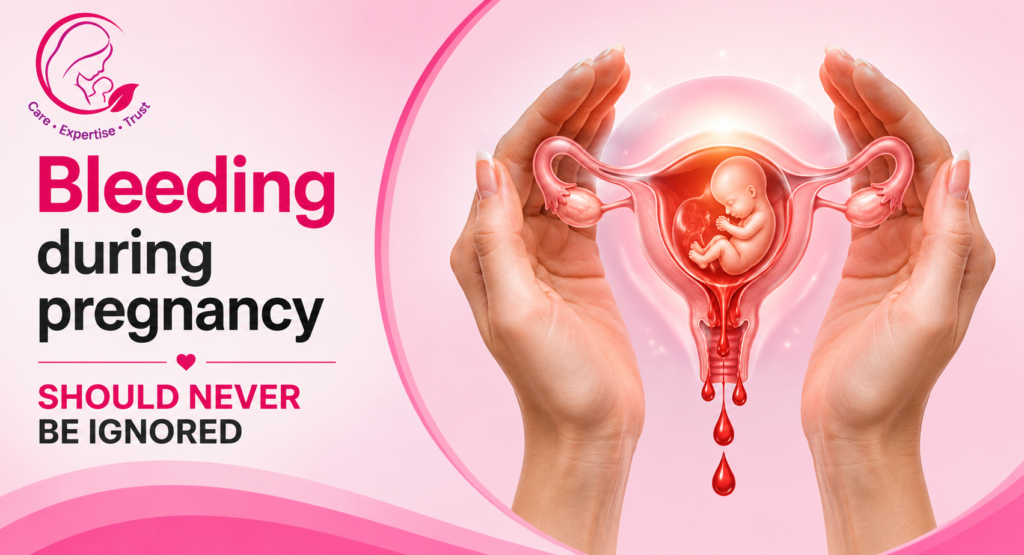
Bleeding during early pregnancy can be frightening, especially when you are eagerly waiting for your baby’s arrival. However, vaginal bleeding in the first trimester does not always mean that something is wrong. Light spotting can occur for several reasons, and many women who experience early pregnancy bleeding continue to have healthy pregnancies. At the same time, bleeding during pregnancy should never be ignored. Certain patterns of bleeding, especially when accompanied by pain or dizziness, may require prompt medical evaluation. What Is Considered Early Pregnancy Bleeding? Early pregnancy generally refers to the first 12 weeks of pregnancy. Bleeding may range from a few spots of pink, brown or red blood on underwear or toilet paper to heavier bleeding that requires a sanitary pad. The bleeding may occur once, continue for several hours, or come and go. The amount, colour, duration and associated symptoms can help your gynecologist understand what may be causing it. Common Causes of Bleeding in Early Pregnancy There are several possible reasons for bleeding during the first trimester. 1. Implantation-Related Bleeding Very light spotting can sometimes occur around the time the fertilized egg attaches to the uterine lining. This generally happens very early in pregnancy. 2. Changes in the Cervix Pregnancy increases blood flow to the cervix, making it more sensitive. Some women may notice spotting after sexual intercourse or a vaginal examination. 3. Infection Certain vaginal, cervical or urinary infections can sometimes cause bleeding or spotting and may require treatment. 4. Miscarriage Bleeding can sometimes be a sign of miscarriage, particularly when it is accompanied by cramping, abdominal pain, passage of tissue or increasing bleeding. However, bleeding alone does not necessarily mean that a miscarriage has occurred. 5. Ectopic Pregnancy An ectopic pregnancy occurs when the pregnancy develops outside the uterus, most commonly in a fallopian tube. Vaginal bleeding combined with abdominal or pelvic pain can be an important warning sign. 6. Molar Pregnancy Rarely, bleeding in early pregnancy can be associated with a molar pregnancy, in which abnormal tissue develops instead of a normal pregnancy. Medical assessment is needed to determine the cause. When Should You Seek Medical Care? Contact your gynecologist if you experience vaginal bleeding during pregnancy, particularly if it continues or becomes heavier. Seek urgent medical attention if you have: Severe pain, shoulder pain, dizziness or fainting together with bleeding can be warning signs of a pregnancy complication that needs immediate assessment. What Tests May Be Needed? Your gynecologist may recommend an evaluation based on your pregnancy stage and symptoms. This can include: An ultrasound may help determine the location and development of the pregnancy and identify possible causes of bleeding. What Should You Do If You Notice Spotting? If you notice bleeding, try to note: This information can help your doctor assess the situation more effectively. If you know that you are Rh-negative, tell your healthcare professional about the bleeding, as additional management may sometimes be required. Can Early Pregnancy Bleeding Be Normal? Yes, light bleeding or spotting can occur during early pregnancy and does not automatically indicate pregnancy loss. However, there is no reliable way to determine the cause based only on the amount or colour of blood. That is why it is important to discuss pregnancy bleeding with your gynecologist rather than assuming that it is either harmless or a miscarriage. Final Takeaway Bleeding during early pregnancy is not always a sign of danger, but it should be taken seriously. Light spotting may have a harmless cause, while heavier bleeding or bleeding accompanied by pain, dizziness, fainting or shoulder pain may require urgent medical care. If you experience bleeding during pregnancy, especially in the first trimester, consult your gynecologist for an appropriate evaluation. Early assessment can help identify potential complications and provide reassurance when the pregnancy is progressing normally. Frequently Asked Questions Q. Is spotting during early pregnancy always a sign of miscarriage?No. Spotting can occur for several reasons and does not automatically mean miscarriage. However, bleeding should be discussed with a healthcare professional. Q. When is pregnancy bleeding an emergency?Heavy bleeding, severe abdominal pain, shoulder pain, dizziness, fainting, or passage of tissue requires urgent medical evaluation. Q. Should I get an ultrasound after early pregnancy bleeding?Your gynecologist may recommend an ultrasound depending on your pregnancy stage, symptoms and medical history. It can help evaluate the pregnancy and identify possible causes of bleeding. Q. Can I wait if the bleeding is very light?Even light bleeding should be reported to your healthcare provider, particularly if it continues, returns, or is accompanied by pain or other symptoms. Medical Disclaimer: This article is intended for general educational purposes and should not replace an examination or personalized medical advice. If you are pregnant and experiencing bleeding or concerning symptoms, consult a qualified gynecologist promptly.
PCOS Is Now PMOS: What Women Need to Know About the 2026 Name Change
Women who have searched for information about PCOS in 2026 may have noticed a significant change in medical terminology. Polycystic Ovary Syndrome (PCOS) is now called Polyendocrine Metabolic Ovarian Syndrome (PMOS). The new name was introduced through a major international effort to better represent the complex hormonal and metabolic nature of the condition. For women looking for the Best Gynecologist in Indore, understanding this change is important. PMOS is not a completely new disease. It is the same condition that was previously known as PCOS, but the new name aims to provide a more accurate understanding of how the condition can affect the body. The condition affects approximately 1 in 8 women worldwide, representing more than 170 million women. What Is PMOS? PMOS stands for Polyendocrine Metabolic Ovarian Syndrome, the new name for what was previously called PCOS. The term PMOS highlights three important aspects of the condition: The new terminology reflects the understanding that this is not simply an ovarian condition. It can involve reproductive, hormonal, metabolic, skin and mental-health-related aspects. Why Was PCOS Renamed PMOS? For many years, the name “polycystic ovary syndrome” created confusion. The word “polycystic” can make people believe that the condition is primarily caused by ovarian cysts. However, the condition is much more complex. Not every woman with the condition has the same ovarian appearance, and the broader hormonal and metabolic effects are important to diagnosis and management. The international renaming process involved patients, healthcare professionals and organizations around the world. More than 22,000 people participated in surveys, and 56 patient and professional organizations were involved in the process. The goal is to improve awareness, diagnosis, treatment and the overall patient experience. Does a PCOS Diagnosis Become PMOS Automatically? If you were previously diagnosed with PCOS, the name change does not mean that you suddenly have a different disease. PCOS and PMOS refer to the same underlying condition. The change is primarily about terminology and improving how the condition is understood. Medical organizations have also emphasized that adoption of the new terminology will take time. Therefore, women should not stop or change their existing treatment simply because of the terminology change. Any treatment decisions should be discussed with a qualified healthcare professional. What Are the Common Symptoms of PMOS? PMOS can present differently from one woman to another. Common symptoms may include: Because symptoms can vary significantly, a proper medical evaluation is important. If you are experiencing persistent menstrual irregularities or other symptoms, consulting the Best Gynecologist in Indore can help determine whether further evaluation is appropriate. How Is PMOS Diagnosed? PMOS cannot be diagnosed simply because a woman has irregular periods or an ultrasound shows multiple follicles. A doctor generally considers a combination of medical history, symptoms, physical findings and appropriate investigations. Other possible causes of similar symptoms may also need to be excluded. Depending on the individual situation, a gynecologist may recommend hormonal testing, metabolic assessment, ultrasound or other investigations. This is one reason why choosing an experienced Gynecologist in Indore is important. A comprehensive evaluation can help avoid assuming that every menstrual or hormonal problem is caused by PMOS. Does the Name Change Mean Treatment Has Changed? The name change itself does not mean that women need an entirely new treatment. PMOS management continues to depend on an individual’s symptoms, reproductive goals and overall health. Depending on the patient, management may involve: Treatment should always be individualized rather than based solely on the diagnosis name. Why Choosing the Best Gynecologist in Indore Matters for PMOS PMOS can affect multiple aspects of a woman’s health, so choosing the Best Gynecologist in Indore means looking for more than just a doctor who treats menstrual problems. When selecting a gynecologist, consider: Experience With Hormonal Conditions A gynecologist should be comfortable evaluating menstrual irregularities, hormonal symptoms and reproductive concerns. Individualized Treatment Every woman experiences PMOS differently. A suitable doctor should consider symptoms, age, reproductive goals and overall health before recommending treatment. Fertility Support For women planning pregnancy, PMOS can sometimes be associated with ovulation difficulties. A gynecologist can evaluate fertility concerns and recommend appropriate next steps. Long-Term Health Monitoring PMOS has metabolic and endocrine dimensions, making long-term health an important part of management. The new terminology itself was introduced partly to emphasize these broader effects. Clear Communication Because the terminology is changing, women may have questions about whether their diagnosis or treatment has changed. A good gynecologist should explain these changes clearly and address individual concerns. What Should Women Do After the 2026 Name Change? If you have previously been diagnosed with PCOS, there is generally no reason to panic about the terminology change. You can continue discussing your condition with your healthcare provider using either term during the transition. Medical resources, records and online information may continue using “PCOS” for some time. If you have symptoms but have never been evaluated, this can be a good opportunity to discuss them with a qualified gynecologist. Women in Indore searching for the Best Gynecologist in Indore should focus on qualifications, experience, areas of expertise, communication and access to appropriate diagnostic and treatment facilities rather than choosing a doctor solely because of online rankings. Conclusion The 2026 change from PCOS to PMOS represents an important shift in how this common women’s health condition is understood. The new name—Polyendocrine Metabolic Ovarian Syndrome—emphasizes that the condition can involve much more than the ovaries. The condition itself has not suddenly changed, and women previously diagnosed with PCOS should not assume that they need to change their treatment simply because the name has changed. If you have irregular periods, hormonal symptoms, fertility concerns or other persistent symptoms, consider speaking with a qualified specialist. For women seeking the Best Gynecologist in Indore, choosing an experienced doctor who takes a comprehensive approach to hormonal, reproductive and metabolic health can be an important step toward appropriate care. Frequently Asked Questions 1. Is PCOS now called PMOS? Yes. In 2026, the condition previously known as Polycystic Ovary Syndrome (PCOS) was renamed Polyendocrine Metabolic Ovarian
Best Gynecologist in Indore: Complete Guide to Choosing the Right Gynecologist for Women’s Health
Choosing the right gynecologist is an important decision for every woman. From menstrual problems and PCOS to pregnancy, infertility, menopause and other reproductive health concerns, professional medical guidance can make a significant difference to your overall well-being. If you are searching for the Best Gynecologist in Indore, it is important to look beyond online ratings or clinic location. A good gynecologist should have appropriate qualifications, relevant clinical experience, a patient-focused approach and expertise suited to your specific healthcare needs. Indore has several gynecologists and obstetricians offering care for different stages of women’s health, including pregnancy, fertility, PCOS, gynecological conditions and minimally invasive procedures. Why Choosing the Right Gynecologist Matters Women’s healthcare needs change throughout life. A teenager may need guidance for irregular periods or painful menstruation, while women in their reproductive years may require contraception, PCOS management, fertility evaluation or pregnancy care. Later, women may need support for perimenopause, menopause or other age-related concerns. A trusted gynecologist can help identify problems early and recommend appropriate investigations and treatment when required. When looking for a Gynecologist in Indore, consider the doctor’s qualifications, experience, areas of specialization, communication style and the availability of appropriate diagnostic or surgical support. What Services Can a Gynecologist Provide? A Best Gynecologist in Indore can help women with a wide range of reproductive and hormonal health concerns. Depending on their specialization and practice, services may include: 1. Menstrual Problems Irregular periods, heavy bleeding, painful periods and unusually long or short menstrual cycles can sometimes indicate an underlying condition. A gynecologist can evaluate the symptoms and determine whether further tests or treatment are needed. 2. PCOS and Hormonal Problems Polycystic ovary syndrome (PCOS) is a common condition that may be associated with irregular periods, hormonal changes, acne, unwanted hair growth and fertility difficulties. Proper evaluation and long-term management can help women manage symptoms and protect their reproductive health. 3. Pregnancy and Obstetric Care Pregnancy requires regular monitoring to support the health of both mother and baby. Gynecologists with obstetric expertise can provide antenatal care, monitor fetal growth, manage pregnancy-related conditions and guide women through delivery planning. Healthcare providers in Indore offer services ranging from routine pregnancy care to management of high-risk pregnancies and pregnancy-related conditions. 4. Infertility Evaluation and Treatment Difficulty conceiving can be stressful for couples. A gynecologist or fertility specialist can evaluate possible causes and recommend appropriate investigations and treatment based on individual circumstances. If fertility treatment is your primary concern, look for a doctor with specific experience in infertility and reproductive medicine. 5. Fibroids, Endometriosis and Other Gynecological Conditions Conditions such as uterine fibroids, endometriosis, ovarian cysts and other gynecological disorders may require medical treatment or, in some cases, surgery. Some specialists also have expertise in laparoscopic and minimally invasive gynecological procedures. 6. Menopause Care Menopause is a natural stage of life, but symptoms such as hot flashes, sleep problems, mood changes and menstrual changes can affect daily life. A gynecologist can provide individualized advice and help identify other health concerns that may need attention. How to Choose the Best Gynecologist in Indore There is no single doctor who is automatically the “best” for every woman. The right choice depends on your health requirements. Here are some important factors to consider: Check Qualifications and Experience Review the doctor’s medical qualifications, certifications and experience. If you need specialized treatment, consider whether the doctor has additional training in areas such as infertility, high-risk pregnancy, endoscopy or minimally invasive surgery. Consider Your Specific Healthcare Needs Your requirements should guide your choice. For example, someone seeking routine gynecological care may have different needs from a woman looking for fertility treatment or high-risk pregnancy management. Look for Clear Communication A good doctor should listen carefully, explain your condition in understandable language and discuss available treatment options. Feeling comfortable asking questions is an important part of healthcare. Review Clinic and Hospital Facilities For procedures, pregnancy care or complex medical conditions, consider whether the doctor has access to appropriate hospital facilities, diagnostic services and emergency support when necessary. Read Patient Reviews Carefully Online reviews can provide useful insights into patient experiences, but they should not be the only factor in choosing a doctor. Consider qualifications, expertise and suitability for your medical needs alongside reviews. Online directories currently list numerous gynecologists in Indore, with differences in experience, specialties, locations and consultation options. When Should You Visit a Gynecologist? You do not always need to wait until a problem becomes severe before consulting a Best Gynecologist in Indore . Consider scheduling an appointment if you experience: Regular preventive healthcare can also help women discuss age- and risk-appropriate screening and reproductive health needs with a qualified professional. Why Local Expertise Matters Choosing a gynecologist in your city can make regular consultations and follow-up care more convenient. For women living in Indore, selecting a specialist who understands the needs of local patients and has accessible consultation and hospital facilities can make long-term care easier. The city has gynecologists practicing across areas such as Vijay Nagar, Old Palasia, New Palasia, LIG Colony and other parts of Indore. Conclusion Finding the Best Gynecologist in Indore should be based on your individual healthcare needs rather than a single ranking or online review. Consider qualifications, experience, specialization, communication, clinic facilities and access to appropriate medical support. Whether you need help with PCOS, menstrual problems, pregnancy, infertility, fibroids, menopause or another gynecological concern, choosing an experienced and trustworthy specialist can help you receive appropriate and personalized care. Most importantly, do not ignore persistent symptoms. Early consultation with a qualified gynecologist can help identify potential problems and determine the right next steps for your health. Frequently Asked Questions 1. How do I choose the Best Gynecologist in Indore? Look at the doctor’s qualifications, clinical experience, specialization, communication style, hospital or clinic facilities and patient feedback. Most importantly, choose a gynecologist whose expertise matches your specific healthcare needs. 2. When should I see a gynecologist? You should consider consulting a gynecologist for persistent menstrual problems, pelvic pain, abnormal bleeding, PCOS symptoms, fertility
Best Gynecologist in Old Palasia Indore: First-Time Pregnancy – Essential Checkups You Should Know
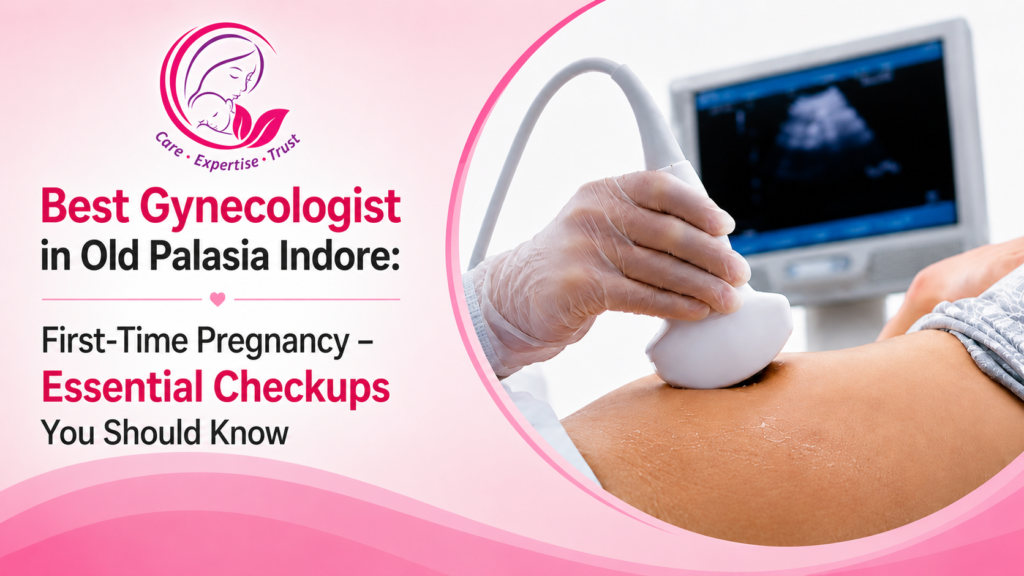
First-time pregnancy is an exciting journey filled with happiness, anticipation, and many questions. From confirming the pregnancy to understanding prenatal tests, nutrition, supplements, ultrasound scans, and lifestyle changes, the first few weeks are an important time for both mother and baby. Starting prenatal care early helps your healthcare provider identify health concerns, assess pregnancy risks, and create an appropriate care plan. Choosing the Best Gynecologist in Old Palasia Indore can help you receive personalized guidance throughout this journey. A consultation with the Best Gynecologist in Old Palasia Indore can help first-time mothers understand what to expect during the first trimester and which checkups may be recommended. When Should You Visit a Gynecologist After a Positive Pregnancy Test? Once you suspect or confirm pregnancy, it is advisable to contact your healthcare provider and schedule prenatal care. Early prenatal care allows your doctor to review your health history, medications, previous illnesses, lifestyle, and other factors that may affect pregnancy. The Best Gynecologist in Old Palasia Indore can help establish an appropriate prenatal care schedule based on your individual health and pregnancy history. Your first visit may be longer than subsequent appointments because your doctor needs to collect detailed information and establish a baseline for your pregnancy. 1. Medical and Pregnancy History One of the first steps during a pregnancy consultation is discussing your medical and reproductive history. Your doctor may ask about previous pregnancies, miscarriages, surgeries, menstrual cycles, existing medical conditions, allergies, medications, and family health history. The Best Gynecologist in Old Palasia Indore may also ask about conditions such as diabetes, high blood pressure, thyroid disorders, PCOS, or other illnesses that could influence pregnancy care. If you have had previous pregnancy complications, make sure your doctor knows about them. Accurate medical information helps your healthcare provider plan appropriate monitoring and care. 2. Confirmation of Pregnancy and Dating A pregnancy test can indicate pregnancy, but your healthcare provider may recommend additional evaluation depending on your situation. The first day of your last menstrual period is commonly used to estimate how many weeks pregnant you are and calculate an estimated due date. The Best Gynecologist in Old Palasia Indore may recommend an ultrasound when clinically appropriate to confirm pregnancy location, assess development, and help establish pregnancy dating. 3. Blood Pressure and Physical Assessment Blood pressure is an important part of pregnancy care. Your doctor may also record your weight and perform other basic health assessments during the first prenatal appointment. Monitoring these measurements throughout pregnancy helps your healthcare provider identify changes that may require further evaluation. The Best Gynecologist in Old Palasia Indore can explain which measurements are important for you and how they will be monitored during subsequent prenatal visits. 4. Blood and Urine Tests Your first prenatal visit may include blood and urine testing. Depending on your health history and local clinical protocols, tests may assess blood group and Rh status, hemoglobin, blood sugar, infections, immunity, and other relevant health indicators. Urine testing can also help evaluate certain conditions that may affect pregnancy. ACOG notes that urine and blood tests, along with testing for certain infections, may be part of the first prenatal evaluation. The Best Gynecologist in Old Palasia Indore can recommend the tests that are appropriate based on your medical history, symptoms, and pregnancy stage rather than ordering unnecessary investigations. 5. Ultrasound During Early Pregnancy Ultrasound is an important tool during pregnancy, but the timing and type of ultrasound depend on the individual pregnancy. An early ultrasound may be recommended in certain circumstances to confirm pregnancy location, assess development, or determine gestational age. Later ultrasounds may be used to monitor fetal growth and development. The Best Gynecologist in Old Palasia Indore can explain when an ultrasound is appropriate and what information it can provide. It is important to remember that every pregnancy is different, so ultrasound schedules may vary. 6. Screening for Genetic Conditions Pregnant women may be offered screening and diagnostic options for certain genetic or chromosomal conditions. These options can include blood tests and ultrasound-based screening, depending on the stage of pregnancy. For example, first-trimester screening may involve maternal blood testing and an ultrasound performed during a specific window of pregnancy. The Best Gynecologist in Old Palasia Indore can explain the difference between screening and diagnostic tests, including their benefits, limitations, and timing, so you can make informed decisions. 7. Folic Acid and Prenatal Nutrition Nutrition becomes especially important during pregnancy. Folic acid is one of the key nutrients recommended around conception and early pregnancy because adequate folic acid can help reduce the risk of neural tube defects. ACOG recommends that prenatal vitamins contain at least 400 micrograms of folic acid for most women, although individual recommendations can vary. The Best Gynecologist in Old Palasia Indore can guide you about prenatal vitamins, folic acid, iron, vitamin D, diet, hydration, and other nutritional needs based on your health and pregnancy. Do not start high-dose supplements without discussing them with your healthcare provider. 8. Medication Review Some medications may need to be continued, changed, or adjusted during pregnancy. Therefore, inform your doctor about every prescription medicine, over-the-counter medicine, supplement, or herbal product you are taking. Do not stop a prescribed medication on your own simply because you are pregnant. ACOG advises discussing medications with an obstetric care provider because stopping certain medicines without medical guidance may also pose risks. The Best Gynecologist in Old Palasia Indore can review your medicines and recommend appropriate changes when necessary. 9. Lifestyle and Daily Routine Your first prenatal appointment is also an opportunity to discuss lifestyle habits. Your doctor may provide guidance regarding diet, physical activity, sleep, tobacco, alcohol, work-related exposures, and other daily habits. A healthy lifestyle can support maternal well-being during pregnancy. The Best Gynecologist in Old Palasia Indore can provide recommendations according to your health, pregnancy stage, activity level, and any existing medical conditions. Avoid taking health advice from social media alone, especially regarding supplements, medicines, restrictive diets, or exercise during pregnancy. 10. Understanding Warning Signs Knowing which symptoms
Best Gynecologist in Old Palasia Indore: Painful Periods – When Is It More Than Normal Cramps?
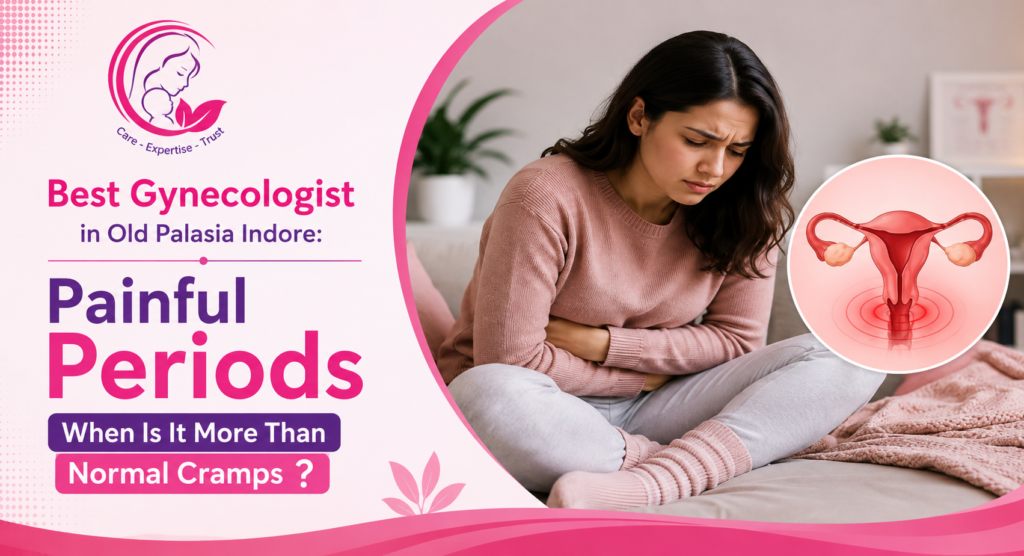
Period pain is common, but severe or persistent menstrual pain should not always be considered normal. Mild cramps may occur before or during menstruation and often improve within a few days. However, pain that interferes with your daily activities, becomes progressively worse, or occurs with other symptoms may need medical evaluation. Understanding the difference between common menstrual cramps and potentially concerning symptoms can help women seek care at the right time. Consulting the Best Gynecologist in Old Palasia Indore can help identify the possible cause of persistent period pain and determine whether treatment is needed. If painful periods are affecting your work, studies, sleep, exercise, or everyday life, a consultation with the Best Gynecologist in Old Palasia Indore can help you understand whether your symptoms are within the usual range or require further evaluation. What Causes Normal Period Cramps? Period cramps, medically known as dysmenorrhea, commonly occur because the uterus contracts during menstruation. These contractions are influenced by substances called prostaglandins. Typical menstrual cramps may cause: For many women, these symptoms improve within a few days. Over-the-counter pain relief, heat, rest, and regular physical activity may help some people. However, if the pain is severe or repeatedly disrupts your normal routine, it is worth discussing with the Best Gynecologist in Old Palasia Indore. When Is Period Pain More Than Normal? Not every painful period indicates an underlying medical condition. However, certain warning signs suggest that professional evaluation may be appropriate. 1. Pain That Stops Your Daily Activities If menstrual pain makes it difficult to attend school, go to work, exercise, sleep, or perform normal household activities, it should not simply be dismissed as “normal cramps.” Severe pain that repeatedly interferes with your quality of life deserves proper evaluation by the Best Gynecologist in Old Palasia Indore. 2. Pain That Gets Worse Over Time Some women notice that their period pain becomes more intense as they get older. Increasing pain, particularly when previous periods were relatively comfortable, may require investigation. The Best Gynecologist in Old Palasia Indore can review your symptoms, menstrual history, and medical background to determine whether additional tests are appropriate. 3. Very Heavy Menstrual Bleeding Pain accompanied by unusually heavy bleeding can sometimes be associated with conditions such as fibroids, adenomyosis, endometriosis, or hormonal problems. You should discuss heavy bleeding with the Best Gynecologist in Old Palasia Indore, particularly if you frequently feel weak or tired or if heavy periods interfere with your normal routine. 4. Pain Between Periods Period cramps generally occur around menstruation. Pelvic pain that continues between periods or occurs at other times of the month may have another cause. Persistent pelvic pain should be assessed by the Best Gynecologist in Old Palasia Indore rather than being automatically attributed to menstruation. 5. Pain During Sexual Intercourse Pain during or after sexual intercourse can have several possible causes. Persistent or deep pelvic pain during intercourse may be associated with certain gynecological conditions and deserves professional evaluation. Discussing this symptom openly with the Best Gynecologist in Old Palasia Indore can help determine whether further assessment is necessary. 6. Pain During Urination or Bowel Movements Some women experience pelvic pain while urinating or having a bowel movement, particularly around their periods. This can sometimes occur with conditions affecting the pelvic organs. If this happens repeatedly, the Best Gynecologist in Old Palasia Indore can assess your symptoms and recommend appropriate investigations. 7. Pain That Does Not Improve With Usual Measures If rest, heat, or commonly used pain-relief measures do not provide adequate relief and the pain continues to affect your routine, medical advice is recommended. The Best Gynecologist in Old Palasia Indore can help determine whether the pain is primary menstrual cramping or related to another condition. Conditions That Can Cause Severe Period Pain Several gynecological conditions can cause painful periods. Endometriosis Endometriosis occurs when tissue similar to the lining of the uterus grows outside the uterus. It can cause significant menstrual pain and may also be associated with pelvic pain, painful bowel movements, pain during intercourse, and fertility difficulties. A gynecological evaluation can help determine whether symptoms may be consistent with endometriosis. Adenomyosis Adenomyosis occurs when tissue similar to the uterine lining grows into the muscular wall of the uterus. It may cause painful periods, heavy menstrual bleeding, and pelvic discomfort. Uterine Fibroids Fibroids are non-cancerous growths that develop in or around the uterus. Depending on their size and location, they can contribute to heavy periods, pelvic pressure, and menstrual pain. Pelvic Inflammatory Disease Pelvic inflammatory disease is an infection involving the female reproductive organs. It can cause pelvic pain and other symptoms and requires appropriate medical treatment. Ovarian Cysts Some ovarian cysts may cause pelvic pain, particularly if they become large, rupture, or cause complications. Sudden severe pelvic pain should receive prompt medical attention. If an underlying condition is suspected, the Best Gynecologist in Old Palasia Indore may recommend an examination, ultrasound, blood tests, or other investigations based on your symptoms. How Is Severe Period Pain Evaluated? During a consultation, the Best Gynecologist in Old Palasia Indore may ask about: Depending on the findings, your doctor may recommend a pelvic examination or imaging such as an ultrasound. Not every woman with period pain needs extensive testing; investigations should be based on individual symptoms and clinical assessment. Treatment Options for Painful Periods Treatment depends on the cause and severity of symptoms. The Best Gynecologist in Old Palasia Indore may recommend different approaches depending on your individual situation. Possible management options can include: Do not regularly take medicines for severe period pain without discussing persistent symptoms with a healthcare professional. Lifestyle Tips That May Help Some women find that simple lifestyle measures help manage menstrual discomfort. Consider: Keeping a period diary can be particularly useful. Record the first day of your period, pain severity, bleeding pattern, medications used, and other symptoms. This information can help the Best Gynecologist in Old Palasia Indore understand your menstrual pattern more clearly. When Should You Seek Urgent Medical Care? Not all menstrual