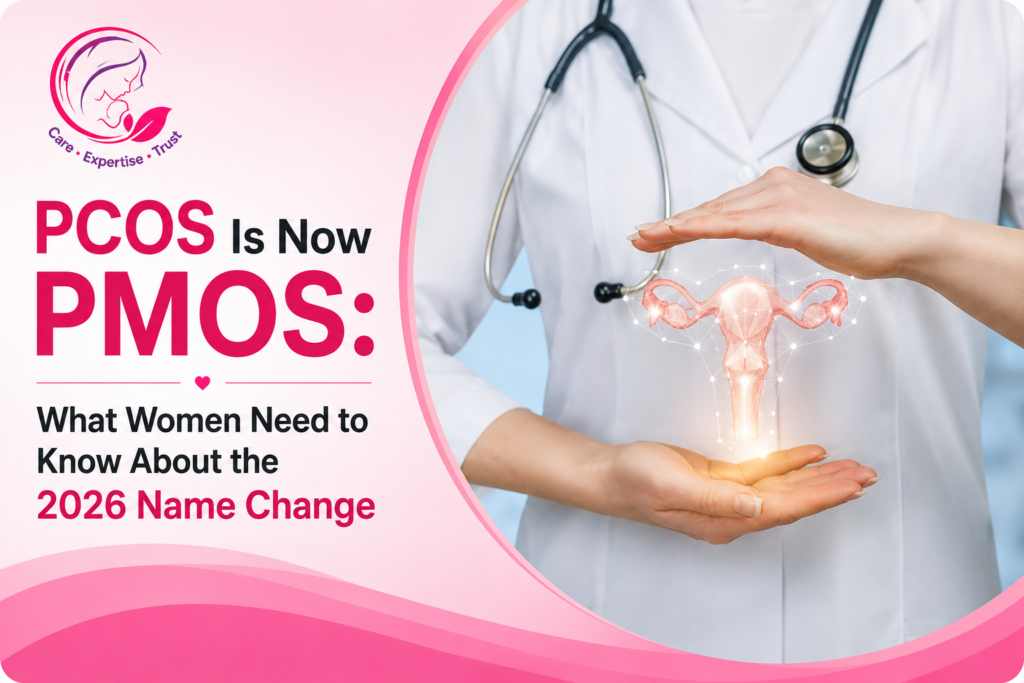
Women who have searched for information about PCOS in 2026 may have noticed a significant change in medical terminology. Polycystic Ovary Syndrome (PCOS) is now called Polyendocrine Metabolic Ovarian Syndrome (PMOS). The new name was introduced through a major international effort to better represent the complex hormonal and metabolic nature of the condition.
For women looking for the Best Gynecologist in Indore, understanding this change is important. PMOS is not a completely new disease. It is the same condition that was previously known as PCOS, but the new name aims to provide a more accurate understanding of how the condition can affect the body.
The condition affects approximately 1 in 8 women worldwide, representing more than 170 million women.
What Is PMOS?
PMOS stands for Polyendocrine Metabolic Ovarian Syndrome, the new name for what was previously called PCOS.
The term PMOS highlights three important aspects of the condition:
- Polyendocrine: Multiple hormonal systems can be involved.
- Metabolic: Metabolism and insulin-related health can be affected.
- Ovarian: Ovarian function and reproductive health remain important components.
The new terminology reflects the understanding that this is not simply an ovarian condition. It can involve reproductive, hormonal, metabolic, skin and mental-health-related aspects.
Why Was PCOS Renamed PMOS?
For many years, the name “polycystic ovary syndrome” created confusion. The word “polycystic” can make people believe that the condition is primarily caused by ovarian cysts.
However, the condition is much more complex. Not every woman with the condition has the same ovarian appearance, and the broader hormonal and metabolic effects are important to diagnosis and management.
The international renaming process involved patients, healthcare professionals and organizations around the world. More than 22,000 people participated in surveys, and 56 patient and professional organizations were involved in the process.
The goal is to improve awareness, diagnosis, treatment and the overall patient experience.
Does a PCOS Diagnosis Become PMOS Automatically?
If you were previously diagnosed with PCOS, the name change does not mean that you suddenly have a different disease.
PCOS and PMOS refer to the same underlying condition.
The change is primarily about terminology and improving how the condition is understood. Medical organizations have also emphasized that adoption of the new terminology will take time.
Therefore, women should not stop or change their existing treatment simply because of the terminology change. Any treatment decisions should be discussed with a qualified healthcare professional.
What Are the Common Symptoms of PMOS?
PMOS can present differently from one woman to another. Common symptoms may include:
- Irregular or missed periods
- Difficulty with ovulation
- Acne
- Increased facial or body hair
- Hair thinning or hair loss
- Weight-related concerns
- Difficulty becoming pregnant
- Hormonal changes
- Metabolic problems such as insulin resistance
Because symptoms can vary significantly, a proper medical evaluation is important.
If you are experiencing persistent menstrual irregularities or other symptoms, consulting the Best Gynecologist in Indore can help determine whether further evaluation is appropriate.
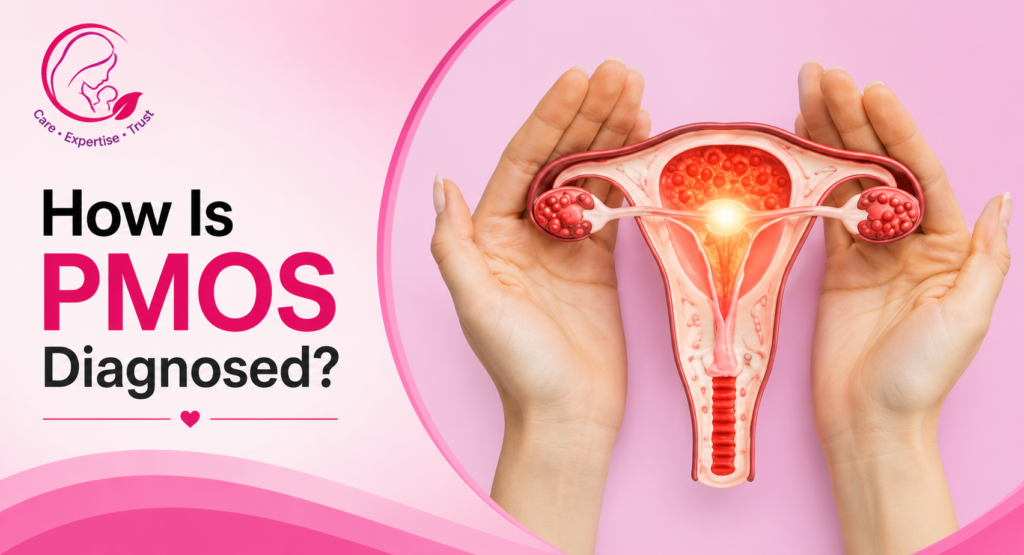
How Is PMOS Diagnosed?
PMOS cannot be diagnosed simply because a woman has irregular periods or an ultrasound shows multiple follicles.
A doctor generally considers a combination of medical history, symptoms, physical findings and appropriate investigations. Other possible causes of similar symptoms may also need to be excluded.
Depending on the individual situation, a gynecologist may recommend hormonal testing, metabolic assessment, ultrasound or other investigations.
This is one reason why choosing an experienced Gynecologist in Indore is important. A comprehensive evaluation can help avoid assuming that every menstrual or hormonal problem is caused by PMOS.
Does the Name Change Mean Treatment Has Changed?
The name change itself does not mean that women need an entirely new treatment.
PMOS management continues to depend on an individual’s symptoms, reproductive goals and overall health.
Depending on the patient, management may involve:
- Lifestyle and nutrition guidance
- Physical activity
- Management of menstrual irregularities
- Treatment of acne or excess hair
- Addressing insulin resistance and metabolic risk
- Fertility-focused treatment when pregnancy is desired
- Appropriate hormonal treatment
- Regular monitoring of long-term health risks
Treatment should always be individualized rather than based solely on the diagnosis name.
Why Choosing the Best Gynecologist in Indore Matters for PMOS
PMOS can affect multiple aspects of a woman’s health, so choosing the Best Gynecologist in Indore means looking for more than just a doctor who treats menstrual problems.
When selecting a gynecologist, consider:
Experience With Hormonal Conditions
A gynecologist should be comfortable evaluating menstrual irregularities, hormonal symptoms and reproductive concerns.
Individualized Treatment
Every woman experiences PMOS differently. A suitable doctor should consider symptoms, age, reproductive goals and overall health before recommending treatment.
Fertility Support
For women planning pregnancy, PMOS can sometimes be associated with ovulation difficulties. A gynecologist can evaluate fertility concerns and recommend appropriate next steps.
Long-Term Health Monitoring
PMOS has metabolic and endocrine dimensions, making long-term health an important part of management. The new terminology itself was introduced partly to emphasize these broader effects.
Clear Communication
Because the terminology is changing, women may have questions about whether their diagnosis or treatment has changed. A good gynecologist should explain these changes clearly and address individual concerns.
What Should Women Do After the 2026 Name Change?
If you have previously been diagnosed with PCOS, there is generally no reason to panic about the terminology change.
You can continue discussing your condition with your healthcare provider using either term during the transition. Medical resources, records and online information may continue using “PCOS” for some time.
If you have symptoms but have never been evaluated, this can be a good opportunity to discuss them with a qualified gynecologist.
Women in Indore searching for the Best Gynecologist in Indore should focus on qualifications, experience, areas of expertise, communication and access to appropriate diagnostic and treatment facilities rather than choosing a doctor solely because of online rankings.
Conclusion
The 2026 change from PCOS to PMOS represents an important shift in how this common women’s health condition is understood. The new name—Polyendocrine Metabolic Ovarian Syndrome—emphasizes that the condition can involve much more than the ovaries.
The condition itself has not suddenly changed, and women previously diagnosed with PCOS should not assume that they need to change their treatment simply because the name has changed.
If you have irregular periods, hormonal symptoms, fertility concerns or other persistent symptoms, consider speaking with a qualified specialist. For women seeking the Best Gynecologist in Indore, choosing an experienced doctor who takes a comprehensive approach to hormonal, reproductive and metabolic health can be an important step toward appropriate care.
Frequently Asked Questions
1. Is PCOS now called PMOS?
Yes. In 2026, the condition previously known as Polycystic Ovary Syndrome (PCOS) was renamed Polyendocrine Metabolic Ovarian Syndrome (PMOS) through an international renaming initiative.
2. Is PMOS a new disease?
No. PMOS is the new name for the condition previously called PCOS. The terminology has changed to better reflect the hormonal, metabolic and ovarian aspects of the same condition.
3. Do women with PCOS need to change their treatment because of the name change?
The name change itself does not mean that treatment needs to change. Treatment should continue to be based on individual symptoms, health risks and reproductive goals. Discuss any treatment changes with your gynecologist.
4. Can PMOS affect fertility?
Yes. PMOS can be associated with irregular ovulation, which may make conception more difficult for some women. However, many women with PMOS can conceive with appropriate medical support when needed.
5. When should I consult the Best Gynecologist in Indore for PMOS symptoms?
Consider consulting the Best Gynecologist in Indore if you have persistent irregular periods, unusual menstrual changes, acne, excess facial hair, unexplained hormonal symptoms, difficulty becoming pregnant or other concerns related to reproductive health. A doctor can assess your symptoms and determine whether further evaluation is appropriate.