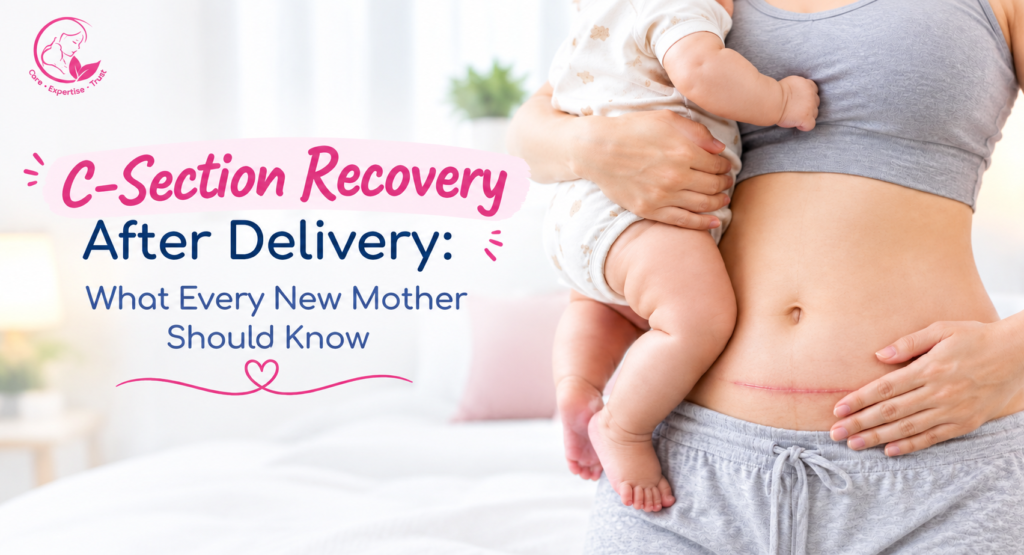
Having a baby is an exciting and emotional experience, but recovering after a C-section requires patience, proper care, and adequate rest. Unlike a vaginal delivery, a cesarean section is a surgical procedure, so your body needs time to heal both internally and externally.
Many new mothers have questions after delivery: How should I care for my C-section wound? When can I start walking? Is pain normal? When can I exercise? How much bleeding is normal?
Knowing what to expect can make the recovery period more comfortable and help you identify when medical attention may be necessary.
If you are recovering after a C-section and have concerns about your health, consulting the Best Gynecologist in Indore can help you understand your individual recovery needs.
What Happens During C-Section Recovery?
A C-section involves an incision through the abdomen and uterus to deliver the baby. Because it is major abdominal surgery, recovery generally takes longer than after an uncomplicated vaginal birth.
During the initial recovery period, you may experience:
- Pain or soreness around the incision
- Difficulty moving comfortably
- Tiredness and weakness
- Vaginal bleeding
- Mild abdominal discomfort
- Difficulty getting in and out of bed
- Emotional changes after childbirth
These symptoms can be part of normal recovery, but every mother’s experience is different.
Your doctor will provide personalized instructions based on your surgery, overall health, and any complications during pregnancy or delivery.
1. Take Enough Rest After Your C-Section
Rest is one of the most important parts of recovery. Your body needs energy to heal from surgery while also adjusting to caring for your newborn.
Try to:
- Sleep or rest whenever your baby is resting
- Ask family members for help with household activities
- Avoid unnecessary physical exertion
- Give yourself time to recover instead of trying to return to your previous routine immediately
Remember, recovering from childbirth is not a race. Feeling tired during the first few weeks is common.
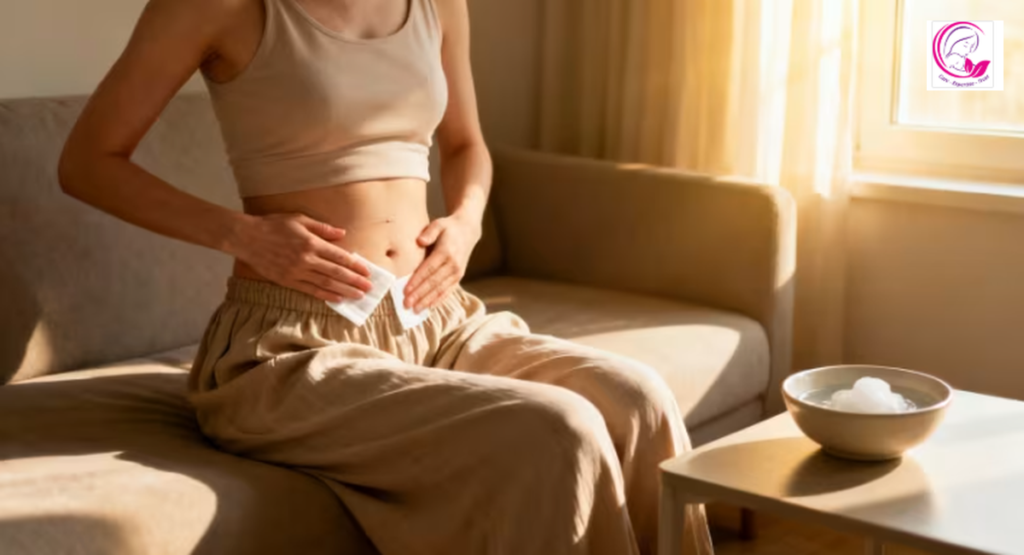
2. Keep Your C-Section Wound Clean and Dry
Taking care of the incision is essential for reducing the risk of infection.
Follow the wound-care instructions provided by your doctor. Generally, the area should be kept clean and dry, and comfortable, loose-fitting clothing can help prevent unnecessary irritation.
Avoid applying creams, powders, oils, or other products to the incision unless your doctor recommends them.
Contact your doctor if you notice:
- Increasing redness around the wound
- Swelling
- Increasing pain
- Pus or unusual discharge
- A bad smell from the wound
- The wound opening
- Fever or feeling unwell
These symptoms can indicate an infection and should not be ignored.
3. Manage Pain Properly
Some pain and discomfort after a C-section are expected. You may notice that activities such as getting out of bed, coughing, laughing, or changing positions temporarily increase discomfort.
Your doctor may prescribe or recommend appropriate pain medication. Take medication according to your doctor’s instructions, particularly if you are breastfeeding.
Do not stop prescribed medication simply because you start feeling better without discussing it with your healthcare provider.
If your pain is becoming worse rather than gradually improving, speak with your doctor.
4. Start Gentle Movement When Advised
Although rest is important, staying completely inactive for long periods is generally not recommended after surgery.
Your healthcare team may encourage you to get out of bed and walk gently when it is safe. Gradual movement can support recovery and helps reduce the risk of blood clots.
Start slowly. Short walks around your home may be enough initially.
Avoid suddenly increasing your activity level just because you feel slightly better.
5. Avoid Heavy Lifting
Your baby may be fine to hold and carry, but lifting heavier objects can place unnecessary strain on your healing abdominal muscles and incision.
For the first several weeks, avoid:
- Heavy household items
- Heavy exercise equipment
- Carrying heavy bags
- Strenuous household work
- Activities that cause pain or pulling around the incision
Your Best Gynecologist in Indore can advise you when it is appropriate to gradually return to specific activities based on your recovery.
6. Take Care of Your Vaginal Bleeding
Vaginal bleeding can occur even after a C-section. This bleeding is called lochia and happens as the uterus returns toward its pre-pregnancy state.
The amount generally decreases over time, although the pattern can vary between women. Postpartum bleeding can continue for several weeks.
Use sanitary pads rather than tampons during the early postpartum period unless your doctor gives different advice.
Seek medical advice if bleeding suddenly becomes very heavy, gets progressively heavier, or is associated with dizziness, faintness, severe pain, or other concerning symptoms.

7. Eat Nutritious Food and Stay Hydrated
Your body needs adequate nutrition during recovery, especially if you are breastfeeding.
Try to include:
- Protein-rich foods
- Fresh fruits and vegetables
- Whole grains
- Adequate fluids
- Iron-rich foods
- Calcium-rich foods
- Healthy sources of fats
A balanced diet can support healing and help maintain your energy levels.
If you have anemia, diabetes, or another medical condition, your nutritional requirements may be different. Follow your doctor’s recommendations.
8. Breastfeeding After a C-Section
A C-section does not mean you cannot breastfeed your baby.
However, finding a comfortable position may initially be challenging because of the abdominal incision.
You may find positions that keep the baby’s weight away from the incision more comfortable. Ask your healthcare provider or lactation consultant for help if breastfeeding is painful or difficult.
Early skin-to-skin contact and breastfeeding support may be offered after delivery when medically appropriate.
9. Pay Attention to Your Emotional Health
The postpartum period is not only about physical healing.
New mothers may experience tiredness, mood changes, anxiety, or feelings of being overwhelmed. Adjusting to a new baby, recovering from surgery, and managing sleep deprivation can be challenging.
Do not hesitate to talk to your partner, family, or healthcare provider if you feel persistently sad, anxious, overwhelmed, or unable to cope.
Postpartum mental health deserves the same attention as physical recovery.
10. When Can You Exercise After a C-Section?
You should not rush into intense exercise after a C-section.
Initially, gentle walking may be appropriate when your doctor says it is safe. More strenuous exercise should generally wait until your incision has healed and your healthcare provider has cleared you.
The timing can vary depending on your recovery.
Before restarting:
- Running
- Gym workouts
- Abdominal exercises
- Weight training
- High-impact exercise
speak with your doctor about what is appropriate for you.
11. When Can You Drive After a C-Section?
Driving requires comfortable movement and the ability to react quickly in an emergency without significant pain.
You may need to wait several weeks before driving, depending on your recovery, medication, mobility, and insurance requirements. NHS guidance notes that some women may not be ready to drive for a few weeks after a C-section.
Check with your doctor and your vehicle insurer before returning to driving.
12. Don’t Miss Your Postpartum Check-Up
A postpartum check-up gives your doctor an opportunity to assess your recovery, incision, bleeding, blood pressure when relevant, emotional wellbeing, contraception needs, and other concerns.
ACOG guidance includes postpartum follow-up within the first several weeks after cesarean delivery, with the exact timing individualized according to the mother’s circumstances.
Use this appointment to discuss anything that doesn’t feel right rather than waiting for the problem to become worse.
Warning Signs You Should Never Ignore After a C-Section
Contact your doctor promptly if you experience:
- Severe or worsening abdominal pain
- Heavy vaginal bleeding
- Fever
- Increasing redness or swelling around the incision
- Pus or foul-smelling wound discharge
- The incision opening
- Pain or burning while urinating
- Severe headache or vision changes
- Pain or swelling in one leg
- Chest pain
- Shortness of breath
- Feeling faint or extremely unwell
Leg swelling or pain, chest pain, and difficulty breathing can be signs of a blood clot and require urgent medical attention.
If symptoms are severe or you feel you may have an emergency, seek emergency medical care immediately.

How Can the Best Gynecologist in Indore Help With C-Section Recovery?
Every mother’s recovery is different. Some women recover smoothly, while others may need additional monitoring because of anemia, infection, high blood pressure, diabetes, wound problems, or other complications.
Consulting the Best Gynecologist in Indore can help you receive personalized postpartum guidance, including:
- C-section wound assessment
- Pain and medication guidance
- Postpartum bleeding evaluation
- Breastfeeding support
- Nutrition and recovery advice
- Guidance about physical activity
- Contraception counseling
- Future pregnancy planning
- Assessment of postpartum concerns
Professional follow-up can help ensure that your recovery is progressing appropriately.
Final Thoughts
A C-section brings a beautiful new beginning, but it is also a significant surgical procedure. Give your body enough time to heal, follow your doctor’s instructions, maintain a nutritious diet, stay gently active when advised, and accept help from your family.
Most importantly, don’t ignore unusual symptoms simply because you have recently given birth.
If you are looking for personalized postpartum guidance, consulting the Best Gynecologist in Indore can help you understand what is normal during your recovery and when medical evaluation is needed.
Frequently Asked Questions
1. How long does it take to recover from a C-section?
Recovery varies from woman to woman. Many women need several weeks before returning comfortably to their usual activities, while internal healing continues for longer. Follow your doctor’s advice rather than relying on a fixed timeline.
2. Is pain normal after a C-section?
Some pain and discomfort are common during the early recovery period. However, severe pain or pain that is getting worse should be evaluated by a healthcare professional.
3. Can I walk after a C-section?
Gentle movement and walking are generally encouraged once your healthcare team considers it safe. Walking can support recovery and reduce the risk associated with prolonged immobility.
4. When should I worry about my C-section wound?
Increasing redness, swelling, pain, pus, foul-smelling discharge, wound opening, or fever can indicate infection and should be assessed by your doctor.
5. When should I see the Best Gynecologist in Indore after a C-section?
You should follow the postpartum follow-up schedule recommended by your doctor. You should also contact your gynecologist earlier if you develop heavy bleeding, severe pain, fever, wound problems, breathing difficulty, leg swelling, or any other concerning symptoms.
Note: This article is for general educational information and does not replace an individual medical examination or your treating doctor’s advice.