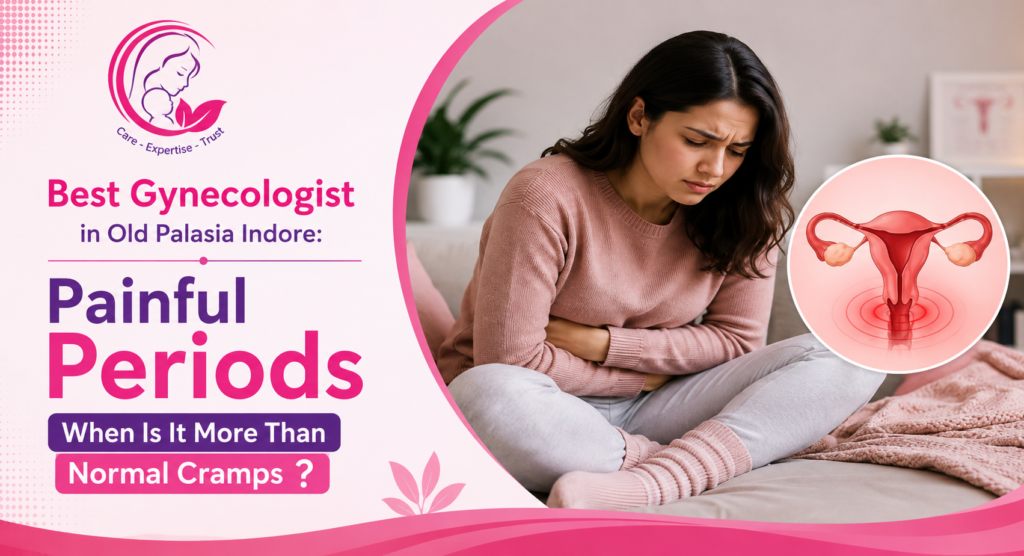
Period pain is common, but severe or persistent menstrual pain should not always be considered normal. Mild cramps may occur before or during menstruation and often improve within a few days. However, pain that interferes with your daily activities, becomes progressively worse, or occurs with other symptoms may need medical evaluation.
Understanding the difference between common menstrual cramps and potentially concerning symptoms can help women seek care at the right time. Consulting the Best Gynecologist in Old Palasia Indore can help identify the possible cause of persistent period pain and determine whether treatment is needed.
If painful periods are affecting your work, studies, sleep, exercise, or everyday life, a consultation with the Best Gynecologist in Old Palasia Indore can help you understand whether your symptoms are within the usual range or require further evaluation.
What Causes Normal Period Cramps?
Period cramps, medically known as dysmenorrhea, commonly occur because the uterus contracts during menstruation. These contractions are influenced by substances called prostaglandins.
Typical menstrual cramps may cause:
- Mild to moderate lower abdominal pain
- Pain that begins shortly before or around the start of menstruation
- Lower back discomfort
- Mild nausea
- Headache
- Tiredness
For many women, these symptoms improve within a few days. Over-the-counter pain relief, heat, rest, and regular physical activity may help some people.
However, if the pain is severe or repeatedly disrupts your normal routine, it is worth discussing with the Best Gynecologist in Old Palasia Indore.
When Is Period Pain More Than Normal?
Not every painful period indicates an underlying medical condition. However, certain warning signs suggest that professional evaluation may be appropriate.
1. Pain That Stops Your Daily Activities
If menstrual pain makes it difficult to attend school, go to work, exercise, sleep, or perform normal household activities, it should not simply be dismissed as “normal cramps.”
Severe pain that repeatedly interferes with your quality of life deserves proper evaluation by the Best Gynecologist in Old Palasia Indore.
2. Pain That Gets Worse Over Time
Some women notice that their period pain becomes more intense as they get older. Increasing pain, particularly when previous periods were relatively comfortable, may require investigation.
The Best Gynecologist in Old Palasia Indore can review your symptoms, menstrual history, and medical background to determine whether additional tests are appropriate.
3. Very Heavy Menstrual Bleeding
Pain accompanied by unusually heavy bleeding can sometimes be associated with conditions such as fibroids, adenomyosis, endometriosis, or hormonal problems.
You should discuss heavy bleeding with the Best Gynecologist in Old Palasia Indore, particularly if you frequently feel weak or tired or if heavy periods interfere with your normal routine.
4. Pain Between Periods
Period cramps generally occur around menstruation. Pelvic pain that continues between periods or occurs at other times of the month may have another cause.
Persistent pelvic pain should be assessed by the Best Gynecologist in Old Palasia Indore rather than being automatically attributed to menstruation.
5. Pain During Sexual Intercourse
Pain during or after sexual intercourse can have several possible causes. Persistent or deep pelvic pain during intercourse may be associated with certain gynecological conditions and deserves professional evaluation.
Discussing this symptom openly with the Best Gynecologist in Old Palasia Indore can help determine whether further assessment is necessary.
6. Pain During Urination or Bowel Movements
Some women experience pelvic pain while urinating or having a bowel movement, particularly around their periods. This can sometimes occur with conditions affecting the pelvic organs.
If this happens repeatedly, the Best Gynecologist in Old Palasia Indore can assess your symptoms and recommend appropriate investigations.
7. Pain That Does Not Improve With Usual Measures
If rest, heat, or commonly used pain-relief measures do not provide adequate relief and the pain continues to affect your routine, medical advice is recommended.
The Best Gynecologist in Old Palasia Indore can help determine whether the pain is primary menstrual cramping or related to another condition.
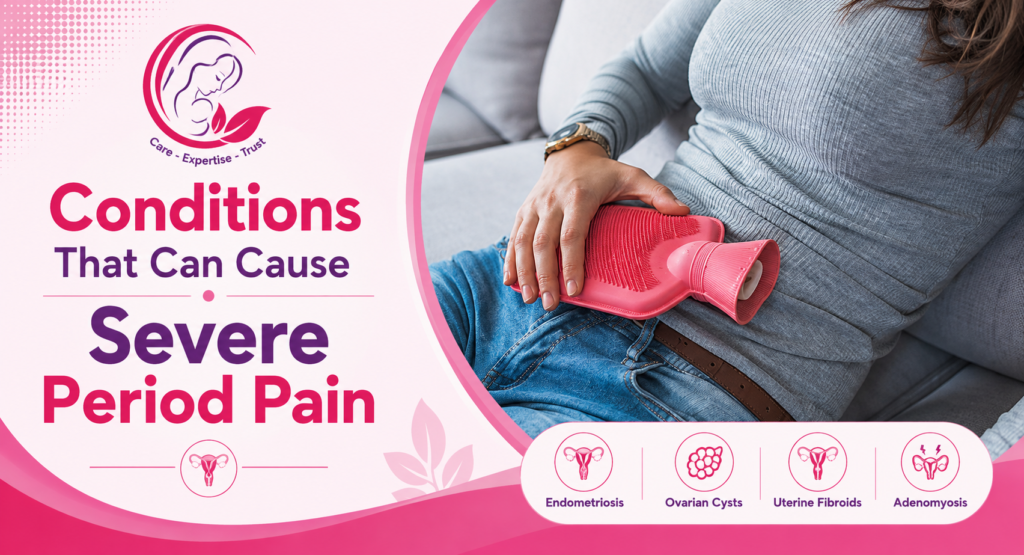
Conditions That Can Cause Severe Period Pain
Several gynecological conditions can cause painful periods.
Endometriosis
Endometriosis occurs when tissue similar to the lining of the uterus grows outside the uterus. It can cause significant menstrual pain and may also be associated with pelvic pain, painful bowel movements, pain during intercourse, and fertility difficulties.
A gynecological evaluation can help determine whether symptoms may be consistent with endometriosis.
Adenomyosis
Adenomyosis occurs when tissue similar to the uterine lining grows into the muscular wall of the uterus. It may cause painful periods, heavy menstrual bleeding, and pelvic discomfort.
Uterine Fibroids
Fibroids are non-cancerous growths that develop in or around the uterus. Depending on their size and location, they can contribute to heavy periods, pelvic pressure, and menstrual pain.
Pelvic Inflammatory Disease
Pelvic inflammatory disease is an infection involving the female reproductive organs. It can cause pelvic pain and other symptoms and requires appropriate medical treatment.
Ovarian Cysts
Some ovarian cysts may cause pelvic pain, particularly if they become large, rupture, or cause complications. Sudden severe pelvic pain should receive prompt medical attention.
If an underlying condition is suspected, the Best Gynecologist in Old Palasia Indore may recommend an examination, ultrasound, blood tests, or other investigations based on your symptoms.
How Is Severe Period Pain Evaluated?
During a consultation, the Best Gynecologist in Old Palasia Indore may ask about:
- When your pain starts
- How long the pain lasts
- Pain intensity
- Menstrual cycle pattern
- Amount of bleeding
- Presence of clots
- Pain during intercourse
- Pain during bowel movements or urination
- Previous pregnancies or surgeries
- Fertility concerns
- Other medical conditions
Depending on the findings, your doctor may recommend a pelvic examination or imaging such as an ultrasound. Not every woman with period pain needs extensive testing; investigations should be based on individual symptoms and clinical assessment.
Treatment Options for Painful Periods
Treatment depends on the cause and severity of symptoms. The Best Gynecologist in Old Palasia Indore may recommend different approaches depending on your individual situation.
Possible management options can include:
- Heat therapy
- Regular physical activity
- Lifestyle modifications
- Appropriate pain-relief medicines
- Hormonal contraceptive methods when suitable
- Treatment for underlying infections
- Management of endometriosis, fibroids, or other conditions
- Surgical treatment in selected cases
Do not regularly take medicines for severe period pain without discussing persistent symptoms with a healthcare professional.
Lifestyle Tips That May Help
Some women find that simple lifestyle measures help manage menstrual discomfort.
Consider:
- Staying physically active
- Getting adequate sleep
- Maintaining a balanced diet
- Drinking enough fluids
- Using a heating pad for abdominal discomfort
- Managing stress
- Tracking your menstrual cycle and symptoms
Keeping a period diary can be particularly useful. Record the first day of your period, pain severity, bleeding pattern, medications used, and other symptoms. This information can help the Best Gynecologist in Old Palasia Indore understand your menstrual pattern more clearly.
When Should You Seek Urgent Medical Care?
Not all menstrual pain is an emergency. However, sudden or severe pelvic pain, particularly when accompanied by fainting, heavy bleeding, fever, vomiting, or weakness, requires prompt medical assessment.
If you experience a sudden severe change from your usual menstrual symptoms, seek medical attention rather than assuming it is simply period pain.
Why You Shouldn’t Ignore Severe Period Pain
Many women grow up believing that severe menstrual pain is simply something they have to tolerate. While some discomfort can be a normal part of menstruation, pain that repeatedly affects your quality of life deserves attention.
A consultation with the Best Gynecologist in Old Palasia Indore can help identify whether there is an underlying cause and provide appropriate treatment options.
Early evaluation may also help women manage conditions that can affect fertility, daily activities, or long-term reproductive health.
Conclusion
Period cramps are common, but severe, worsening, or persistent menstrual pain should not always be considered normal. Pain that interferes with daily activities, occurs between periods, accompanies heavy bleeding, or causes pain during intercourse, urination, or bowel movements may require further evaluation.
Tracking your menstrual symptoms and seeking timely medical advice can help identify possible causes and appropriate treatment. If painful periods are affecting your quality of life, consult the Best Gynecologist in Old Palasia Indore for a personalized evaluation and guidance.
Taking menstrual pain seriously is an important part of taking care of your reproductive health. You do not have to simply tolerate severe pain every month when appropriate medical evaluation and treatment may help.
Frequently Asked Questions
1. How much period pain is considered normal?
Mild to moderate cramps that occur around menstruation and improve within a few days can be common. However, pain that prevents normal activities, becomes progressively worse, or does not improve should be discussed with the Best Gynecologist in Old Palasia Indore.
2. Can severe period pain be a sign of endometriosis?
Yes. Severe menstrual pain can be one symptom of endometriosis, although other conditions can also cause painful periods. The Best Gynecologist in Old Palasia Indore can assess your symptoms and determine whether further evaluation is appropriate.
3. When should I see a gynecologist for period pain?
Consider consulting the Best Gynecologist in Old Palasia Indore if your pain regularly interferes with daily activities, becomes worse over time, occurs between periods, is associated with heavy bleeding, or occurs with pain during intercourse, bowel movements, or urination.
4. Can painful periods affect fertility?
Some conditions associated with painful periods, such as endometriosis, can be associated with fertility difficulties. However, having period pain does not automatically mean that you will have fertility problems. A Best Gynecologist in Old Palasia Indore can evaluate your individual symptoms and concerns.
5. Can painful periods be treated?
Yes. Treatment depends on the underlying cause, severity, medical history, and individual needs. The Best Gynecologist in Old Palasia Indore can recommend appropriate options after evaluating your symptoms.