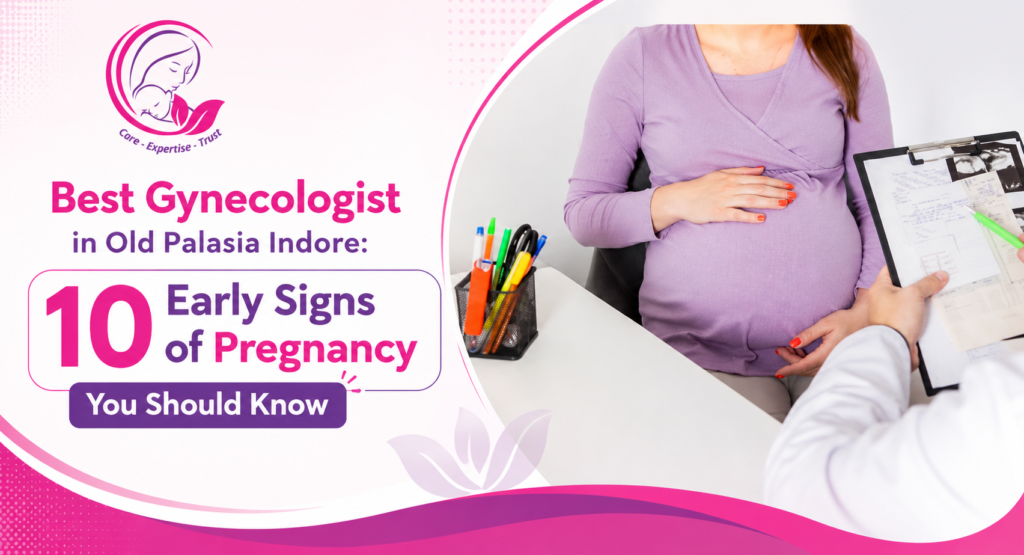
Pregnancy is an exciting phase of life, but the earliest weeks can also bring many questions. Some women notice changes soon after conception, while others may have very few symptoms. Knowing the common early signs of pregnancy can help you understand when it may be time to take a pregnancy test and seek professional guidance.
A missed period is often one of the earliest and most reliable signs in women with regular menstrual cycles. Other symptoms may include nausea, breast tenderness, tiredness, frequent urination, changes in taste and smell, and mild cramping. However, these symptoms can also occur for reasons unrelated to pregnancy, so symptoms alone cannot confirm pregnancy.
If you think you may be pregnant, consulting the Best Gynecologist in Old Palasia Indore can help you confirm the pregnancy and understand the next steps for a healthy pregnancy journey.
10 Early Signs of Pregnancy
1. Missed or Delayed Period
A missed period is one of the most commonly recognized early signs of pregnancy. If your menstrual cycle is usually regular and your period does not arrive as expected, pregnancy may be one possible reason.
However, stress, hormonal changes, PCOS, changes in weight, excessive exercise, and certain health conditions can also affect your menstrual cycle. A pregnancy test is the best way to determine whether pregnancy is the cause.
2. Nausea or Morning Sickness
Nausea is another common early pregnancy symptom. Despite being called “morning sickness,” nausea or vomiting can occur at any time of day or night. It commonly begins around 4 to 6 weeks of pregnancy, although every woman experiences pregnancy differently.
If vomiting becomes severe or you cannot keep food and fluids down, medical advice is important.
3. Breast Tenderness
Hormonal changes during early pregnancy can cause the breasts to become swollen, sensitive, or tender. You may also notice changes around the nipples or more visible veins.
Breast tenderness can also occur before menstruation, so it is not enough by itself to confirm pregnancy. If it occurs along with other symptoms, consider taking a pregnancy test and discussing the result with the Best Gynecologist in Old Palasia Indore.
4. Unusual Tiredness
Feeling unusually tired or exhausted is common during the first trimester. Hormonal changes, particularly increased progesterone, can contribute to this fatigue.
You may feel tired even after getting adequate sleep or notice that your usual daily activities require more effort. Getting adequate rest, eating a balanced diet, staying hydrated, and following appropriate medical advice can help manage early pregnancy fatigue.
5. Frequent Urination
Needing to urinate more frequently than usual can be one of the early signs of pregnancy. Hormonal changes and increased blood flow to the kidneys can contribute to this change.
You may notice that you need to use the bathroom more often, including during the night. However, frequent urination can also occur because of urinary infections or other conditions, particularly if it is accompanied by burning or pain.
6. Increased Sensitivity to Smells
Some women notice that certain smells suddenly become stronger or unpleasant during early pregnancy. Foods, perfumes, cooking smells, coffee, or other familiar scents may suddenly trigger nausea or discomfort.
Changes in taste and smell can also lead to new food preferences or aversions. These changes are associated with hormonal changes during pregnancy.
7. Food Cravings or Food Aversions
You may suddenly crave certain foods or lose interest in foods you previously enjoyed. Some women also notice a metallic taste in their mouth.
Food cravings can occur during pregnancy, but they are not a definite way to confirm pregnancy. Maintaining a balanced diet is important, particularly if you are trying to conceive or have received a positive pregnancy test.
8. Mild Cramping or Light Spotting
Some women experience mild abdominal cramping or light spotting in early pregnancy. Light spotting can sometimes occur around the time an embryo attaches to the uterine lining.
However, bleeding during pregnancy should not automatically be considered normal. Heavy bleeding, significant pain, or worsening symptoms require prompt medical evaluation.
9. Bloating and Constipation
Hormonal changes can affect digestion and may cause bloating, constipation, or increased gas during early pregnancy. These symptoms can sometimes feel similar to premenstrual symptoms.
Simple dietary changes, adequate fluids, and appropriate physical activity may help. If symptoms are severe or persistent, speak with your healthcare provider.
10. Mood Changes
Hormonal fluctuations during early pregnancy may contribute to mood changes. You may feel more emotional, irritable, sensitive, or experience sudden changes in your mood.
Mood changes can also occur before menstruation or because of stress and other factors, so they should be considered alongside other symptoms rather than treated as proof of pregnancy.
How Can You Confirm Pregnancy?
Experiencing several early signs of pregnancy does not necessarily mean that you are pregnant. The most reliable next step is a pregnancy test.
Home pregnancy tests detect the pregnancy hormone hCG in urine. If the result is positive, you can consult a healthcare professional to confirm the pregnancy and determine how far along you are.
A healthcare professional may recommend additional evaluation based on your medical history, symptoms, and stage of pregnancy.
When Should You See a Gynecologist?
Once pregnancy is suspected or confirmed, an early consultation can help you understand prenatal care, medications, nutrition, lifestyle recommendations, and necessary examinations.
You should also seek medical attention promptly if you experience significant abdominal pain, heavy bleeding, severe vomiting, fainting, or other concerning symptoms. Some symptoms during pregnancy can require urgent evaluation.
Choosing the Best Gynecologist in Old Palasia Indore can give you professional guidance from the early stages of pregnancy through prenatal care and delivery planning.
Why Early Pregnancy Care Matters
The first trimester is an important period of pregnancy. Early medical care allows your gynecologist to review your health history, identify potential risk factors, discuss medications and supplements, and establish an appropriate pregnancy-care plan.
Regular follow-up is particularly important if you have conditions such as diabetes, high blood pressure, thyroid problems, PCOS, or a history of pregnancy complications.
Conclusion
The earliest weeks of pregnancy can bring noticeable changes, including a missed period, nausea, breast tenderness, fatigue, frequent urination, increased sensitivity to smells, food cravings, mild cramping, bloating, and mood changes.
However, symptoms vary significantly from woman to woman, and some women may have very few symptoms. Therefore, a pregnancy test and professional evaluation are the best ways to confirm pregnancy.
If you notice possible early signs of pregnancy, don’t rely only on symptoms. Consult the Best Gynecologist in Old Palasia Indore for appropriate confirmation, guidance, and personalized prenatal care. Early and regular medical care can help you begin your pregnancy journey with greater confidence and proper support.