Introduction
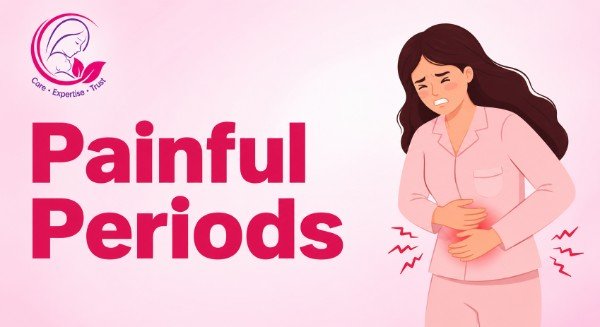
For many women, periods bring a few days of discomfort, tiredness, and mild abdominal cramps. But what happens when period pain becomes so severe that you cannot attend work, go to college, complete household tasks, or enjoy your everyday life?
Meet Priya, a fictional example of a young working woman who experiences intense cramps every month. Initially, she assumes that painful periods are normal and manages them with a hot water bottle. Over time, her pain becomes worse, her bleeding increases, and she starts missing important days at work. Finally, she decides to consult a gynecologist.
Priya’s experience highlights an important message: severe period pain should not be ignored. While mild menstrual cramps are common, persistent or worsening pain may indicate an underlying health condition that needs medical attention.
If you experience similar symptoms, consulting the Best Gyno Doctor in Indore can help you understand the possible cause of your discomfort and explore suitable treatment options.
What Causes Painful Periods?
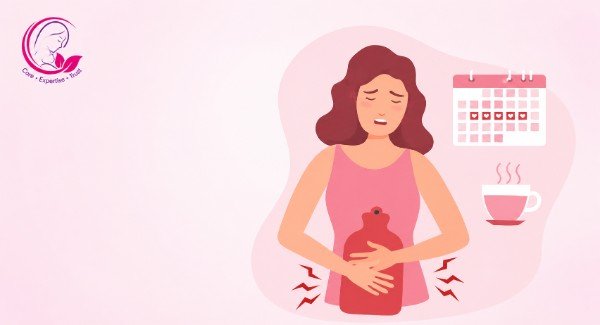
Painful periods are medically known as dysmenorrhea. They can cause cramping in the lower abdomen, back pain, and discomfort that sometimes spreads to the thighs.
During menstruation, the uterus contracts to shed its lining. The body produces natural chemicals called prostaglandins, which trigger these contractions. Higher levels of these chemicals can contribute to stronger cramps.
There are two main types of painful periods.
1. Primary Dysmenorrhea
Primary dysmenorrhea refers to menstrual pain that is not caused by another identifiable reproductive health condition. It often begins during the teenage years and occurs around the start of menstruation.
Common symptoms include:
- Cramping in the lower abdomen
- Pain in the lower back
- Nausea or occasional vomiting
- Headaches and tiredness
- Diarrhea in some cases
Mild symptoms may improve with heat therapy, gentle exercise, rest, and appropriate medication.
2. Secondary Dysmenorrhea
Secondary dysmenorrhea occurs when an underlying medical condition causes menstrual pain. It may begin later in life, last longer than ordinary cramps, or become progressively worse.
Possible causes include endometriosis, uterine fibroids, adenomyosis, and pelvic inflammatory disease.
If your periods suddenly become more painful or your usual remedies stop helping, consult a gynecologist for an evaluation.
When Should You Consult the Best Gyno Doctor in Indore?
Occasional mild cramps may be manageable at home. However, certain symptoms indicate that you should seek professional advice.
1. Your Period Pain Is Severe
If cramps prevent you from sleeping, studying, working, walking comfortably, or completing daily activities, do not assume that you must tolerate them.
A consultation with the Best Gyno Doctor in Indore can help determine whether your pain is related to ordinary menstrual cramps or another condition.
2. Your Pain Is Getting Worse Every Month
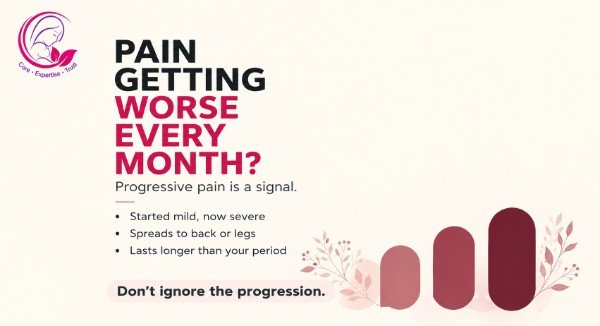
Some women experience a gradual increase in menstrual discomfort over time. Worsening pain, particularly when it continues beyond the first few days of menstruation, deserves medical assessment.
Conditions such as endometriosis and adenomyosis may cause this pattern of pain.
3. You Experience Heavy Bleeding
If you need to change your sanitary pad very frequently, pass large blood clots, feel unusually weak, or experience dizziness, speak with a healthcare professional.
Heavy bleeding can sometimes contribute to iron-deficiency anemia. A doctor may recommend blood tests and other investigations based on your symptoms.
4. You Have Pain Outside Your Period
Pelvic pain that occurs between periods, during sexual intercourse, or while urinating or passing stools should not be ignored.
These symptoms may be associated with gynecological or other medical conditions. A proper assessment helps identify the cause and guide treatment.
5. Painkillers Are No Longer Helping
If medicines that previously relieved your cramps no longer provide sufficient relief, avoid repeatedly increasing the dose or trying different medicines without medical guidance.
A gynecologist can review your symptoms, check whether further investigations are needed, and discuss safer treatment options.
6. Your Periods Have Become Irregular
Painful periods accompanied by unexpected bleeding, major changes in cycle length, or missed periods may require further evaluation.
If you have missed a period and experience unusual bleeding with abdominal or pelvic pain, seek urgent medical attention because an ectopic pregnancy must be ruled out.
Medical Conditions That Can Cause Severe Period Pain
Understanding possible causes can help you recognize when professional advice is important.
Endometriosis: This condition occurs when tissue similar to the uterine lining grows outside the uterus. It may cause severe menstrual cramps, ongoing pelvic pain, pain during intercourse, and sometimes fertility difficulties.
Uterine fibroids: Fibroids are generally non-cancerous growths in or around the uterus. Depending on their size and location, they may cause heavy periods, pelvic pressure, and discomfort.
Adenomyosis: This condition occurs when tissue similar to the uterine lining grows into the muscular wall of the uterus. It may lead to painful periods and heavy bleeding.
Pelvic inflammatory disease: An infection involving the reproductive organs can cause pelvic pain and may be accompanied by fever or unusual vaginal discharge.
These conditions do not cause every case of menstrual pain. Only a suitable medical evaluation can help determine what is responsible for your symptoms.
How Can a Gynecologist Diagnose the Cause?
When you visit the Best Gyno Doctor in Indore for painful periods, your consultation may begin with questions about your menstrual cycle, symptoms, medical history, and family history.
Your doctor may ask:
- At what age did your periods begin?
- When does the pain start, and how long does it last?
- Is your bleeding heavier than usual?
- Do you experience pain between periods?
- Have your symptoms changed recently?
- Do you take any medicines for menstrual cramps?
Depending on your symptoms, your doctor may recommend a physical examination, blood tests, a pregnancy test when appropriate, or a pelvic ultrasound. Not everyone requires every test.
In selected cases, further investigations may be necessary to identify conditions such as endometriosis.
Being honest about your symptoms helps your doctor develop an appropriate evaluation and treatment plan.
Treatment Options for Painful Periods
Treatment depends on the severity of your symptoms and the underlying cause.
Medication
A doctor may recommend suitable pain-relieving or anti-inflammatory medicines. Hormonal treatments may also help some patients by reducing menstrual pain or bleeding.

The right medicine depends on your health history, other medications, pregnancy plans, and possible contraindications. Avoid self-medicating regularly without professional advice.
Heat Therapy
Applying a warm water bottle or heating pad wrapped in a towel to your lower abdomen may help relax muscles and relieve cramps. Avoid applying excessive heat directly to your skin.
Gentle Exercise and Rest
Walking, gentle stretching, yoga, and adequate sleep may help some women manage menstrual discomfort. Adjust your activity according to how you feel.
Treatment for Underlying Conditions
If your pain is caused by endometriosis, fibroids, adenomyosis, or an infection, you may need condition-specific treatment. Depending on the diagnosis, options can include medicines, hormonal treatment, antibiotics for certain infections, or a procedure or surgery in selected cases.
The goal is not simply to reduce pain for a few hours but to understand its cause and improve your quality of life.
Tips to Manage Period Pain at Home
While home care cannot replace medical assessment when symptoms are concerning, the following habits may help with mild cramps:
- Use a warm compress on your lower abdomen.
- Drink enough water throughout the day.
- Eat balanced meals containing fruits, vegetables, whole grains, and iron-rich foods.
- Try gentle physical activity if it feels comfortable.
- Maintain a regular sleep schedule.
- Track your periods, pain levels, and bleeding patterns.
- Avoid taking prescription or over-the-counter medicines in doses that have not been recommended for you.
If these measures do not help or your symptoms interfere with everyday life, arrange a medical consultation.
Choosing the Best Gyno Doctor in Indore
Choosing a gynecologist who listens carefully and explains your treatment options can make discussing menstrual problems more comfortable.
Consider the doctor’s qualifications, experience, approach to patient care, and the availability of appropriate investigations or referrals when needed.
Dr. Hemlata Sodhiya is a gynecologist and obstetrician in Indore with qualifications including DNB (OBGY), DGO, FICOG, and FMAS. Women experiencing painful periods can seek a professional consultation to discuss their symptoms and understand suitable next steps.
Conclusion
Painful periods are common, but severe pain that affects your daily routine should not be treated as something you simply have to endure. Worsening cramps, heavy bleeding, pain between periods, and symptoms that do not improve with usual care deserve medical attention.
Consulting the Best Gyno Doctor in Indore can help you identify possible causes, receive an appropriate diagnosis, and explore treatment options suited to your needs.
Remember, taking your menstrual health seriously is an important part of taking care of your overall well-being. If your period pain is unusual, persistent, or severe, seek medical advice instead of continuing to suffer in silence.
Frequently asked questions (FAQs)
1. When should I consult the Best Gyno Doctor in Indore for painful periods?
Consult a gynecologist if your period pain is severe, worsens over time, affects daily activities, does not improve with usual treatment, or occurs with heavy bleeding or pain between periods.
2. Are painful periods normal?
Mild cramps are common during menstruation. However, severe or worsening pain may indicate an underlying condition and should be evaluated by a healthcare professional.
3. What medical conditions can cause painful periods?
Possible causes include endometriosis, uterine fibroids, adenomyosis, and pelvic inflammatory disease. A medical evaluation is needed to identify the cause.
4. Can painful periods be treated?
Yes. Treatment may include suitable pain-relieving medicines, hormonal treatment, lifestyle measures, or treatment for an underlying condition. The right approach depends on the diagnosis.
5. Can I manage period pain at home?
Mild cramps may improve with a warm compress, gentle exercise, adequate sleep, and rest. Seek medical advice if pain is severe, persistent, or interferes with everyday activities.
6. Which doctor should I consult for severe menstrual cramps in Indore?
An obstetrician-gynecologist can assess severe menstrual cramps, investigate possible causes, and recommend appropriate treatment based on your symptoms and medical history.