Pregnancy is an important stage in a woman’s life when proper nutrition plays a vital role in supporting the health of both mother and baby. A balanced diet provides essential vitamins, minerals, protein, and energy needed for the baby’s growth and development. Choosing the right foods can also help support the mother’s health throughout pregnancy.
Many women wonder what they should eat during pregnancy and which foods are best for their baby’s development. The good news is that a healthy pregnancy diet does not need to be complicated. Including a variety of fresh fruits, vegetables, whole grains, dairy products, pulses, and protein-rich foods can help meet many nutritional needs.
With guidance from the Best Gynecologist in Indore, expectant mothers can understand their nutritional requirements and make informed dietary choices throughout pregnancy.
Why Is a Healthy Diet Important During Pregnancy?
A nutritious diet supports the baby’s growth while helping the mother’s body manage the physical changes of pregnancy. Essential nutrients contribute to the development of the baby’s brain, bones, muscles, and other organs.
A balanced pregnancy diet may also help maintain healthy weight gain, support digestion, and reduce the risk of nutritional deficiencies. However, every pregnancy is different, and dietary needs may vary depending on the mother’s health, weight, activity level, and stage of pregnancy.
Consulting the Best Gynecologist in Indore can help you understand your individual nutritional requirements and whether you need specific supplements.
1. Fresh Fruits for Essential Vitamins
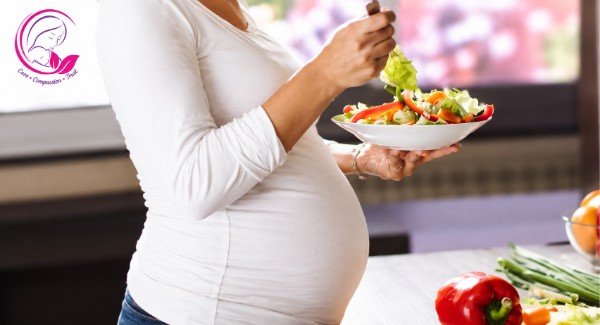
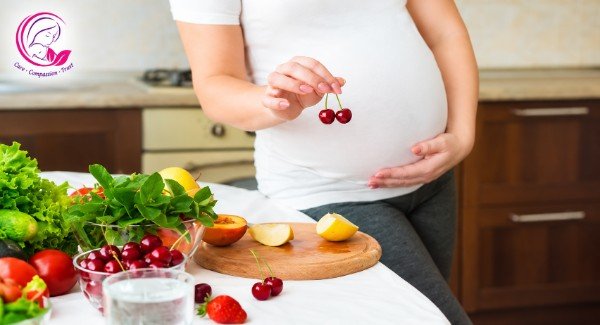
Fruits are an excellent source of vitamins, minerals, water, and fibre. They are easy to include in daily meals and make nutritious snacks during pregnancy.
Some healthy options include:
- Oranges: Provide vitamin C, which helps the body absorb iron.
- Bananas: Supply carbohydrates and potassium.
- Apples: Provide fibre that supports digestive health.
- Guava: Contains vitamin C and fibre.
- Pomegranates: Provide useful nutrients and antioxidants.
Wash fruits thoroughly before eating them. Choose whole fruits more often than fruit juices, as whole fruits provide fibre and can help you feel full for longer.
2. Green Leafy Vegetables for Folate and Iron
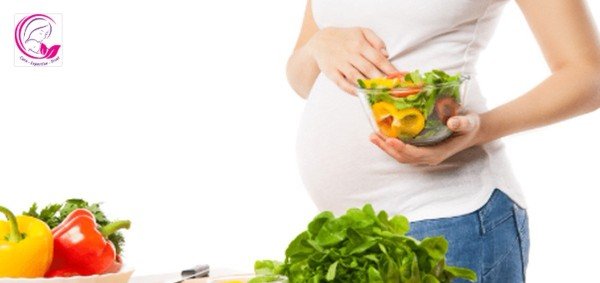
Green leafy vegetables are important components of a healthy pregnancy diet. Spinach, fenugreek leaves, broccoli, and other green vegetables provide folate, fibre, and several essential vitamins and minerals.
Folate is particularly important during early pregnancy because it supports the development of the baby’s brain and spinal cord. Iron helps the body produce red blood cells and supports oxygen transport.
Include cooked leafy vegetables, beans, peas, and other vegetables in your daily meals. Pair plant-based iron sources with vitamin C-rich foods to improve iron absorption.
Remember that food alone may not provide all the folic acid and iron needed during pregnancy. Follow your doctor’s advice about supplements and blood tests.
3. Milk, Curd, and Other Calcium-Rich Foods
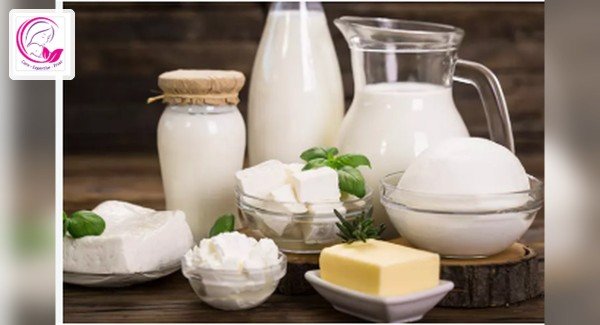
Calcium supports the development of the baby’s bones and teeth while helping maintain the mother’s bone health.
Useful calcium-rich foods include:
- Milk and curd
- Paneer made from safe, pasteurised milk
- Calcium-fortified plant-based milk
- Ragi
- Sesame seeds
- Certain green leafy vegetables
Choose pasteurised dairy products and maintain good food hygiene. If you cannot tolerate milk or follow a vegan diet, discuss suitable calcium-rich alternatives with your healthcare professional.
4. Protein-Rich Foods for Your Baby’s Growth
Protein helps build and repair body tissues and supports the development of the baby’s muscles and organs.
Good protein sources include lentils, chickpeas, kidney beans, peas, tofu, nuts, seeds, eggs, and thoroughly cooked chicken or fish.
For vegetarian Indian meals, options such as dal with rice, roti with paneer, vegetable khichdi with pulses, and curd with whole-grain meals can help provide a variety of nutrients.
Try to include a protein source in your main meals. Your exact requirements may depend on your weight, activity level, and pregnancy stage.
5. Whole Grains for Energy and Fibre
Whole grains provide energy, fibre, and important nutrients. They can also support digestion and help manage constipation, which is common during pregnancy.
Healthy choices include:
- Whole-wheat roti
- Oats and porridge
- Brown rice
- Whole-grain bread
- Dalia
- Millets such as jowar, bajra, and ragi
Combine grains with vegetables and protein-rich foods to create balanced meals. You do not need to eliminate rice or roti during pregnancy; portion sizes and overall dietary balance are more important.
6. Nuts and Seeds for Healthy Fats
Nuts and seeds provide healthy fats, protein, fibre, and minerals. Almonds, walnuts, peanuts, chia seeds, and flaxseeds can be included in a balanced pregnancy diet.
Walnuts and certain seeds provide plant-based omega-3 fatty acids. These fats contribute to normal body functions and support the baby’s development.
Enjoy nuts and seeds in moderate portions, either as snacks or added to porridge and meals. Avoid any food that causes an allergic reaction, and choose fresh products stored safely.
7. Eggs and Well-Cooked Fish
Eggs provide protein, choline, and other nutrients that support the baby’s development. Fish can provide protein and omega-3 fatty acids, including DHA, which contributes to normal brain and eye development.
Choose fully cooked eggs and fish from safe sources. Avoid raw seafood and high-mercury fish, and follow local medical guidance on fish choices and recommended portions.
Vegetarians can discuss suitable alternatives with their doctor, particularly if they have concerns about omega-3 intake or vitamin B12.
8. Drink Enough Water Throughout the Day
Adequate hydration helps support digestion, circulation, and the body’s changing fluid needs during pregnancy.
Drink water regularly throughout the day. Soups, milk, and water-rich fruits can also contribute to fluid intake.
Limit sugary drinks and avoid alcohol during pregnancy. Ask your healthcare professional how much fluid is appropriate if you have a medical condition that affects fluid intake.
Foods to Avoid or Limit During Pregnancy
Choosing safe foods is just as important as choosing nutritious ones. Follow these precautions:
- Avoid alcohol during pregnancy.
- Avoid raw or undercooked meat, fish, shellfish, and eggs.
- Avoid unpasteurised milk and dairy products.
- Wash fruits and vegetables thoroughly before eating.
- Limit caffeine according to your doctor’s advice; guidance commonly recommends no more than 200 mg per day.
- Avoid liver and supplements containing vitamin A in the form of retinol unless your clinician advises otherwise.
Food safety is essential because certain infections and excessive amounts of some nutrients can harm the developing baby. See the NHS guidance on foods to avoid during pregnancy.
Tips for Maintaining a Healthy Pregnancy Diet
A few simple habits can make healthy eating easier:
- Eat a variety of foods instead of relying on only a few items.
- Include fruits and vegetables daily.
- Choose whole grains and protein-rich foods regularly.
- Eat smaller, more frequent meals if nausea or heartburn makes large meals uncomfortable.
- Take prescribed prenatal supplements on schedule.
- Attend regular antenatal check-ups and discuss any dietary concerns.
Avoid starting herbal remedies, high-dose vitamins, or supplements without medical advice. Nutritional needs differ from one pregnancy to another.
When Should You Consult a Gynecologist About Pregnancy Nutrition?
You should discuss your diet with a healthcare professional if you have persistent vomiting, difficulty eating, unusual fatigue, known anaemia, diabetes, high blood pressure, or concerns about your baby’s growth.
A qualified doctor can assess your pregnancy, review relevant tests, and recommend dietary changes or supplements when needed.
For personalised antenatal guidance, the Best Gynecologist in Indore can help you understand your nutritional needs and plan appropriate care throughout pregnancy.
Conclusion
Eating a balanced diet during pregnancy helps provide the nutrients needed for the mother’s well-being and the baby’s development. Fruits, vegetables, whole grains, dairy products, pulses, nuts, and suitable protein sources can all contribute to healthy eating habits.
There is no single food that guarantees a healthy baby or complication-free pregnancy. Consistent nutrition, food safety, prescribed supplements, and regular antenatal care work together to support a healthy pregnancy journey.
If you have questions about your pregnancy diet, consult your gynecologist for advice tailored to your individual needs.
Frequently asked questions (FAQs)
1. Which foods are best to eat during pregnancy?
Fruits, green vegetables, whole grains, pulses, nuts, pasteurised dairy products, and suitable protein sources are beneficial. A varied, balanced diet helps provide essential nutrients for the mother and baby.
2. Which fruits are good during pregnancy?
Oranges, bananas, apples, guava, and pomegranates can be included in a balanced pregnancy diet. Wash fruits thoroughly and prefer whole fruits over juice.
3. What should a pregnant woman eat for the baby’s brain development?
A balanced diet containing protein, choline, iron, folate, and omega-3 fatty acids supports normal development. Eggs, pulses, suitable low-mercury fish, nuts, and leafy vegetables can contribute to nutrient intake.
4. Is milk good during pregnancy?
Pasteurised milk provides protein and calcium, which support the mother’s nutritional needs and the baby’s bone development. Fortified alternatives may be suitable for women who avoid dairy.
5. How can I get a personalised pregnancy diet plan in Indore?
Consult a qualified gynecologist who can consider your pregnancy stage, medical history, nutritional needs, and test results before recommending dietary changes.
6. Do I need supplements even if I eat healthy foods during pregnancy?
You may need prescribed supplements because some nutrients, including folic acid, can be difficult to obtain in adequate amounts from food alone. Follow your doctor’s recommendations