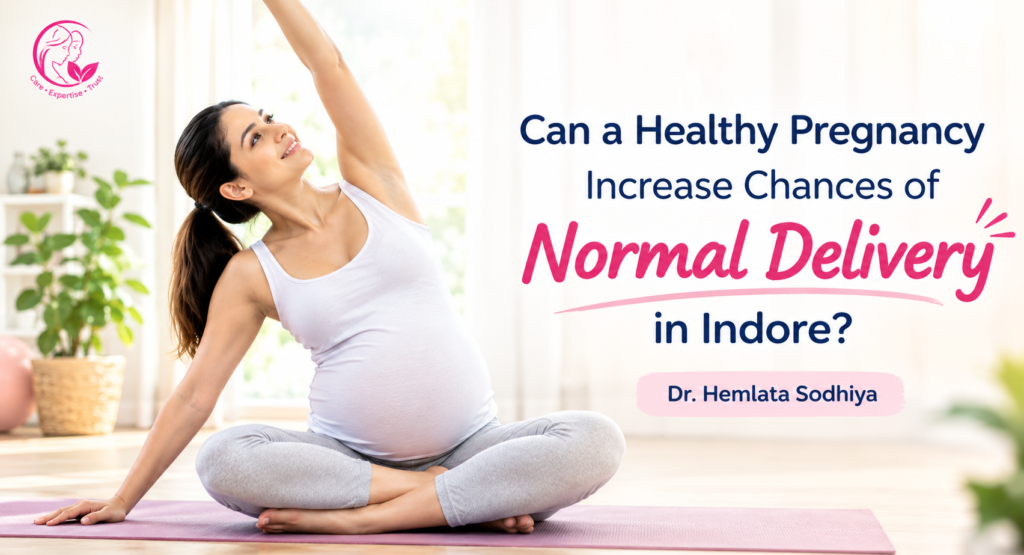
For many expecting mothers, one question comes up again and again during pregnancy: “Can I increase my chances of having a normal delivery?”
The answer is that maintaining a healthy pregnancy can support your overall health and may create favorable conditions for a vaginal delivery. However, there is no diet, exercise, medicine, or pregnancy routine that can guarantee a normal delivery.
The final method of delivery depends on several factors, including the mother’s health, the baby’s position, pregnancy complications, the progress of labor, and the condition of both mother and baby during delivery.
With regular antenatal care and guidance from the Best Gynecologist in Indore, expecting mothers can take practical steps to support a healthy pregnancy and prepare for childbirth.
What Does Normal Delivery Mean?
Normal delivery generally refers to a vaginal delivery, where the baby is born through the birth canal without a cesarean operation.
For some women, vaginal delivery happens naturally after a healthy pregnancy. For others, medical circumstances may make a C-section the safer option.
It is important to remember that the primary goal of childbirth should always be a safe delivery for both mother and baby, rather than focusing only on whether the delivery is vaginal or cesarean.

Can a Healthy Pregnancy Improve the Chances of Normal Delivery?
A healthy pregnancy can support your body’s preparation for labor and reduce the risk of certain complications. However, it does not guarantee vaginal delivery.
Several healthy pregnancy habits can contribute to better maternal and fetal health.
1. Start Pregnancy Care Early
Early and regular prenatal care allows your gynecologist to monitor your health and your baby’s development from the beginning.
During pregnancy appointments, your doctor may monitor:
- Blood pressure
- Weight gain
- Baby’s growth
- Blood sugar
- Hemoglobin
- Baby’s position
- Placental location
- Other pregnancy-related concerns
Regular checkups also provide an opportunity to identify and manage problems early.
If you are planning a pregnancy or have recently discovered that you are pregnant, consulting the Best Gynecologist in Indore can help you understand the care required at each stage.
2. Eat a Balanced and Nutritious Diet
Good nutrition is an important part of a healthy pregnancy.
Instead of concentrating on foods that are supposedly meant to “make delivery normal,” focus on a balanced diet containing:
- Fresh fruits and vegetables
- Whole grains
- Protein-rich foods
- Milk or suitable dairy alternatives
- Healthy fats
- Adequate fluids
Your doctor may also recommend supplements such as folic acid, iron, calcium or vitamin D depending on your individual needs.
Avoid crash diets, unnecessary supplements, or advice from unverified sources. Your nutritional requirements should be discussed with your healthcare provider.
3. Stay Physically Active If Your Doctor Allows It
Physical activity can be beneficial during an uncomplicated pregnancy.
Activities such as walking and other pregnancy-appropriate exercises may help you stay active and maintain overall fitness.
However, pregnancy is different for every woman. If you have bleeding, placenta-related problems, a risk of preterm labor, or another medical concern, your doctor may recommend modifying your activity.
Before starting an exercise program, speak with your Best Gynecologist in Indore about what is appropriate for your pregnancy.
4. Maintain Healthy Pregnancy Weight Gain
Weight gain is a normal part of pregnancy, but the recommended amount varies from woman to woman.
Your ideal weight gain depends on factors such as your pre-pregnancy weight, BMI, general health and whether you are carrying one baby or more.
Rather than comparing your weight gain with friends or relatives, discuss your progress during regular pregnancy appointments.
Maintaining appropriate weight gain can be one part of overall pregnancy care, but it does not determine the mode of delivery by itself.
5. Keep Blood Sugar and Blood Pressure Under Control
Conditions such as gestational diabetes and high blood pressure require proper monitoring during pregnancy.
Having one of these conditions does not automatically mean that you will need a C-section. However, uncontrolled pregnancy complications can affect pregnancy and delivery planning.
Your gynecologist may recommend dietary changes, medication, additional tests or more frequent monitoring based on your condition.
Early detection and appropriate management can help protect both mother and baby.
6. Monitor Your Baby’s Growth and Position
As pregnancy progresses, your baby’s growth and position become important considerations when planning delivery.
A baby who is head-down close to delivery is generally in a favorable position for vaginal birth. However, babies can change position during pregnancy, so the position during an earlier scan does not necessarily predict the position at delivery.
Your gynecologist will assess your baby’s position as you get closer to your due date.
7. Avoid Smoking, Alcohol and Other Harmful Substances
Avoiding harmful substances is an important part of having a healthy pregnancy.
If you smoke, consume alcohol, or use other substances, speak honestly with your healthcare provider. Your doctor can guide you about appropriate steps to protect your health and your baby’s development.
A healthy lifestyle is beneficial throughout pregnancy, regardless of the eventual mode of delivery.
8. Learn About Labor Before Your Due Date
Being prepared for labor can help you understand what to expect when the time comes.
During your pregnancy, discuss important topics with your gynecologist, such as:
- Signs of true labor
- Contractions and how they change
- When to go to the hospital
- What happens if your water breaks
- Baby movements
- Pain-relief options
- When medical intervention may be needed
Knowing these things can help you feel more confident and prepared.

Does Exercise Guarantee Normal Delivery?
No.
Exercise can support physical fitness and overall well-being during pregnancy when it is medically appropriate. But it cannot guarantee a vaginal delivery.
The baby’s position, fetal condition, labor progression, maternal health and unexpected complications can all influence the final delivery decision.
Therefore, exercise should be considered part of healthy pregnancy care, not a guaranteed method for achieving normal delivery.
Can a Healthy Pregnancy Still Require a C-Section?
Yes.
Even after an uncomplicated pregnancy, a C-section may sometimes become necessary.
Possible reasons can include:
- Baby being in an unfavorable position
- Concerns about the baby’s condition
- Labor not progressing adequately
- Certain placental complications
- Certain maternal medical conditions
- Previous uterine surgery in some situations
- Other unexpected complications during labor
A C-section does not mean that the pregnancy was unhealthy or that the mother did something wrong.
The safest delivery method depends on the circumstances at the time of delivery.
How Can the Best Gynecologist in Indore Help?
Pregnancy care should be personalized because every mother and baby is different.
The Best Gynecologist in Indore can guide you through different stages of pregnancy, including:
- Pre-pregnancy counseling
- Early pregnancy care
- Regular antenatal checkups
- Nutrition and lifestyle guidance
- Pregnancy scans and investigations
- Monitoring baby’s growth
- Management of gestational diabetes
- Blood pressure monitoring
- High-risk pregnancy care
- Labor preparation
- Delivery planning
- Postpartum care
Instead of trying to follow a “normal delivery formula,” it is better to understand your own pregnancy and follow medically appropriate advice.
When Should You Contact Your Gynecologist During Pregnancy?
You should contact your healthcare provider if you experience concerning symptoms such as:
- Vaginal bleeding
- Severe or persistent abdominal pain
- Leakage of fluid
- Regular painful contractions
- Noticeably reduced baby movements
- Severe headache or changes in vision
- Sudden swelling
- Fever or feeling significantly unwell
Some symptoms may require urgent medical evaluation. Do not wait for your next routine appointment if you are concerned.
Final Thoughts
A healthy pregnancy can provide a strong foundation for a safe and positive birth experience. Regular checkups, nutritious food, appropriate physical activity, healthy weight gain and proper management of pregnancy conditions can all contribute to good maternal and fetal health.
However, a healthy pregnancy cannot guarantee a normal delivery.
The baby’s position, labor progress and the health of both mother and baby ultimately influence the safest method of delivery.
If you are expecting a baby in Indore, regular pregnancy care with the Best Gynecologist in Indore can help you understand your individual pregnancy, prepare for labor and make informed decisions about your delivery.
Remember, whether your baby is born through vaginal delivery or C-section, a safe mother and healthy baby are the most important goals.
Frequently Asked Questions
1. Can a healthy pregnancy increase my chances of normal delivery?
A healthy pregnancy may create favorable conditions for vaginal delivery, but it cannot guarantee one. Several factors can influence the final mode of delivery.
2. Does walking during pregnancy help with normal delivery?
Walking may be an appropriate form of physical activity for many women with uncomplicated pregnancies. However, it does not guarantee normal delivery. Always follow your doctor’s recommendations.
3. Does eating healthy increase the chances of normal delivery?
A balanced diet supports your health and your baby’s growth. However, nutrition alone cannot determine whether you will have a vaginal delivery or C-section.
4. Can I have a normal delivery if I have gestational diabetes?
Some women with gestational diabetes have vaginal deliveries. The delivery plan depends on how well the condition is managed, the baby’s condition, and other pregnancy-related factors.
5. When should I visit the Best Gynecologist in Indore during pregnancy?
Ideally, pregnancy care should begin early, preferably when planning pregnancy or soon after confirming pregnancy. Regular antenatal visits throughout pregnancy help monitor the health of both mother and baby.