
Baby Movement During Pregnancy: When Is It Normal and When to Worry?
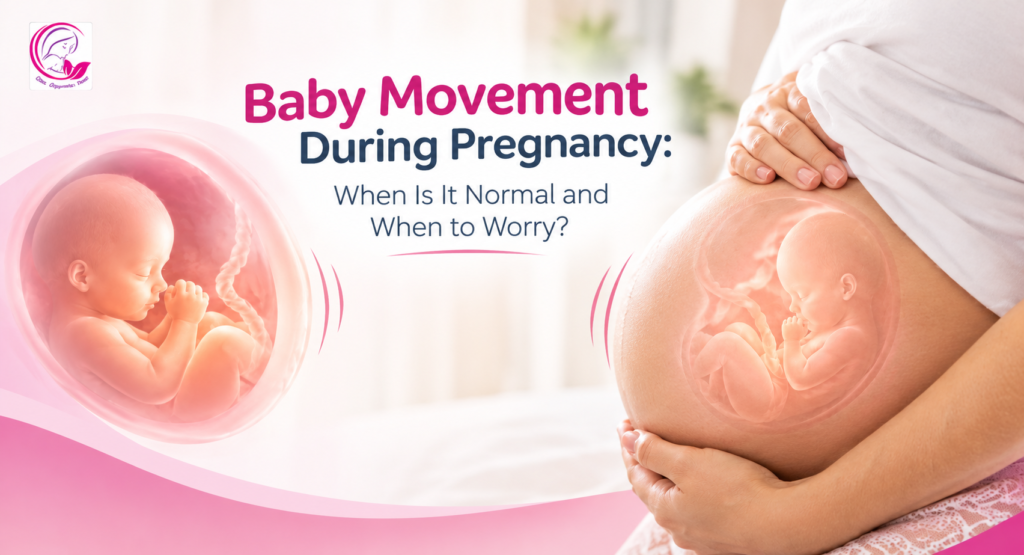
Feeling your baby move for the first time is one of the most memorable moments of pregnancy. Those first tiny flutters gradually become kicks, rolls and stretches, giving you a sense of connection with your baby. But it is also common for pregnant women to wonder: How much movement is normal? What if my baby moves less today? When should I contact my doctor? If you are searching for the Best Gynecologist in Indore, understanding your baby’s usual movement pattern can help you recognize when something may need medical attention. Baby movements vary from pregnancy to pregnancy, so there is no single number of movements that is considered normal for every baby. What matters is becoming familiar with your baby’s usual pattern. When Do You Usually Start Feeling Baby Movement? Most women begin noticing their baby’s movements between 16 and 24 weeks of pregnancy. If it is your first pregnancy, you may notice movement later, sometimes after 20 weeks. Early movements may not feel like strong kicks. You may describe them as: At first, these movements may be occasional and difficult to recognize. As pregnancy progresses, they generally become easier to identify. If you have reached 24 weeks and have not felt your baby move, speak with your maternity healthcare provider for an assessment. How Do Baby Movements Change During Pregnancy? Your baby’s movements develop as the pregnancy progresses. During the second trimester, movements may feel like small flutters or gentle kicks. Later, they usually become stronger and more recognizable. By around 32 weeks, the overall frequency of movement generally remains similar, although the type of movement can change as your baby grows and has less space to move around. It is not considered normal for a baby to simply stop moving because the pregnancy is nearing its due date. You may notice periods when your baby is more active and other periods when the baby is quieter. Babies also have sleep periods, so temporary quiet periods can occur. What Is Considered Normal Baby Movement? There is no fixed number of kicks that every pregnant woman should feel each day. Every baby has an individual movement pattern. Instead of comparing your baby’s movements with another pregnant woman’s experience, learn what is normal for your own baby. For example, you may notice that your baby tends to be more active: The important thing is to become familiar with your baby’s normal pattern and pay attention to significant changes. Why Is Baby Movement Important? Baby movements are one of the ways you can notice changes in your baby’s wellbeing. A baby who is moving normally is generally reassuring. However, a noticeable reduction or change in the usual movement pattern can sometimes be a sign that the baby needs assessment. This does not mean that every episode of reduced movement indicates a serious problem. It means that reduced or changed movements should be taken seriously and assessed by a healthcare professional. When Should You Worry About Baby Movement? You should contact your doctor, midwife or maternity unit immediately if: Do not wait until the next day if you are concerned about reduced or absent movements. Prompt assessment is recommended. If you are worried, it is better to contact your maternity care team even if you are unsure whether the change is significant. Does Baby Move Less Near the Due Date? One common pregnancy myth is that babies naturally stop or significantly reduce their movements because there is less space near the end of pregnancy. This is not a reason to ignore reduced movements. Although the type of movement may feel different as your baby grows, you should continue to feel your baby move through late pregnancy. If your baby’s usual pattern changes, contact your maternity care provider. What Can Make Baby Movements Difficult to Notice? Sometimes the baby may be moving normally, but you may not notice every movement. For example, movements can be harder to notice when you are: You may notice movements more easily when you are relaxed and paying attention. However, if you feel that your baby’s movements are genuinely less than usual, do not assume that your baby is simply sleeping or wait for the movements to return without seeking advice. Should You Count Baby Kicks Every Day? There is no universal number of movements that every baby should make each day. Some healthcare providers may recommend specific kick-counting methods for certain pregnancies, particularly when additional monitoring is needed. Follow the method recommended by your own doctor. For general awareness, learning your baby’s usual movement pattern is important. Your doctor can tell you whether formal movement counting is appropriate for your pregnancy. What Happens If You Report Reduced Baby Movement? If you contact your maternity care team because your baby’s movements have reduced, they may ask questions about your pregnancy and the change you have noticed. Depending on your gestational age and circumstances, they may check your baby’s heartbeat and movements. In later pregnancy, fetal heart-rate monitoring such as a CTG may be used, and an ultrasound may sometimes be recommended to assess the baby’s growth and the fluid around the baby. The exact assessment depends on your pregnancy and your healthcare provider’s clinical judgment. Should You Use a Home Doppler? It is not recommended to rely on a home Doppler or phone app to reassure yourself if your baby’s movements have decreased. Hearing a heartbeat does not confirm that your baby is well. If movements have reduced or stopped, contact your maternity care provider for proper assessment rather than relying on a home device. When Should You Contact the Best Gynecologist in Indore? If you are pregnant and have concerns about your baby’s movements, you should not wait for your next routine appointment. The Best Gynecologist in Indore can provide appropriate pregnancy monitoring and help you understand what is normal for your stage of pregnancy. You should seek medical advice promptly if you notice: Remember, you know your baby’s usual pattern better than anyone. Your concern itself
Best Gynecologist in Indore: A Complete Guide to Choosing the Right Gynecologist

Introduction Finding the Best Gynecologist in Indore is an important decision for women at different stages of life. Whether you are experiencing irregular periods, PCOS, fertility concerns, pregnancy-related changes, pelvic pain or menopause symptoms, choosing the right gynecologist can help you receive appropriate medical guidance. A gynecologist can provide care for a wide range of women’s health concerns, from routine menstrual problems to pregnancy care, infertility evaluation and gynecological conditions. When selecting a doctor, it is important to consider qualifications, clinical experience, areas of expertise, communication and the healthcare facilities available. 📞 Book a Consultation: +91 99810 86640 Why Is Choosing the Right Gynecologist Important? Women’s health concerns can vary significantly from one person to another. A woman with painful periods may require a different evaluation from someone planning a pregnancy or seeking help for infertility. The right gynecologist will consider your symptoms, medical history, age, reproductive goals and overall health before recommending appropriate investigations or treatment. Choosing the Best Gynecologist in Indore should therefore be based on your individual healthcare requirements rather than only online ratings or popularity. A comfortable doctor-patient relationship is also important because gynecology often involves discussing personal and sensitive health concerns. What Conditions Can a Gynecologist Treat? Gynecologists can help women with many reproductive and women’s health concerns. 1. Irregular Periods Irregular periods can happen for several reasons, including hormonal changes, PCOS, thyroid-related problems, stress, changes in weight and other health conditions. If your menstrual cycle has become consistently irregular or your periods have changed significantly, a gynecological consultation can help identify whether further evaluation is needed. 2. Heavy or Painful Periods Heavy menstrual bleeding and severe period pain should not always be considered normal. Conditions such as fibroids, endometriosis, adenomyosis and hormonal problems may contribute to abnormal bleeding or pain. If heavy periods are affecting your daily activities or continue for several months, consulting a qualified gynecologist is advisable. 3. PCOS and Hormonal Health PCOS is a common hormonal condition that can affect menstrual cycles, ovulation, skin, hair growth and fertility. Women may experience symptoms such as irregular periods, acne, increased facial hair, weight changes or difficulty becoming pregnant. A gynecologist can evaluate symptoms and recommend an individualized approach based on the woman’s health and reproductive goals. Pregnancy and Antenatal Care Pregnancy is an important stage that requires regular medical monitoring. An obstetrician and gynecologist can provide antenatal care, monitor maternal and fetal health, recommend appropriate investigations and identify pregnancy-related concerns. Women planning pregnancy may also benefit from a pre-pregnancy consultation to discuss existing health conditions, medications, lifestyle and other factors that may be relevant to pregnancy. Women with certain medical or pregnancy-related risk factors may require additional monitoring and specialized care. Infertility and Fertility Concerns Difficulty conceiving can have several possible causes. Ovulation problems, hormonal conditions, age-related factors, reproductive tract problems and male or female fertility factors can contribute to delayed conception. A gynecologist can review your medical and reproductive history and recommend appropriate evaluation when necessary. Women with PCOS or irregular periods may also experience ovulation-related fertility problems. Seeking professional guidance can help couples understand the possible causes and available treatment options. Fibroids and Ovarian Cysts Uterine fibroids are common non-cancerous growths that can occur in or around the uterus. Some women may have no symptoms, while others may experience heavy periods, pelvic pressure or pain. Ovarian cysts can also occur for different reasons. Many cysts may resolve without treatment, while some require monitoring or further medical management. A gynecologist can evaluate symptoms and recommend investigations such as ultrasound when clinically appropriate. Menopause and Women’s Health After 40 Women’s healthcare continues to be important during perimenopause and menopause. Women may experience irregular periods, hot flashes, sleep changes, mood changes and other symptoms during this stage. A gynecologist can help women understand these changes and discuss appropriate options for managing symptoms and maintaining overall health. Regular consultations can also provide an opportunity to discuss age-appropriate preventive healthcare. How to Choose the Best Gynecologist in Indore When searching for the Best Gynecologist in Indore, consider the following factors. Qualifications Check the doctor’s medical qualifications and professional training in Obstetrics and Gynecology. Clinical Experience Consider the doctor’s experience in the specific area for which you need care, such as pregnancy, PCOS, infertility, menstrual disorders or gynecological surgery. Communication Choose a doctor who listens to your concerns, explains medical information clearly and gives you an opportunity to ask questions. Personalized Treatment Women’s health is not the same for everyone. Treatment should be based on individual symptoms, medical history and healthcare goals. Medical Facilities For pregnancy care, surgical procedures or complex conditions, access to appropriate diagnostic and hospital facilities can be an important consideration. Patient Reviews Online reviews can provide useful information about patient experiences, but they should be considered alongside qualifications, experience and specialization. When Should You Visit a Gynecologist? Consider consulting a gynecologist if you experience: You do not necessarily need to wait until symptoms become severe before seeking medical advice. What Should You Prepare Before Your Appointment? Preparing some basic information before your consultation can make the appointment more useful. You can keep information about: It can also be helpful to prepare a list of questions you want to discuss with your doctor. 📞 Appointment & Consultation: +91 99810 86640 Why Personalized Women’s Healthcare Matters Every woman’s health journey is different. Some women may need occasional gynecological consultations, while others may require regular monitoring for PCOS, fertility concerns, pregnancy or menopause. The Best Gynecologist in Indore for one woman may not necessarily be the right choice for another. Your decision should be based on your specific health requirements and the doctor’s relevant expertise. A good gynecological consultation should focus on understanding your concerns, evaluating your symptoms and discussing appropriate options for your individual situation. Conclusion Finding the Best Gynecologist in Indore involves more than looking at online ratings. Qualifications, clinical experience, specialization, communication, facilities and personalized care are all important factors. Whether you are experiencing irregular periods, PCOS, heavy bleeding, infertility, pregnancy-related concerns,