
Pregnancy is a beautiful journey, but it also brings many questions. One common question that many mothers ask is, “When should I get an ultrasound scan during pregnancy?”
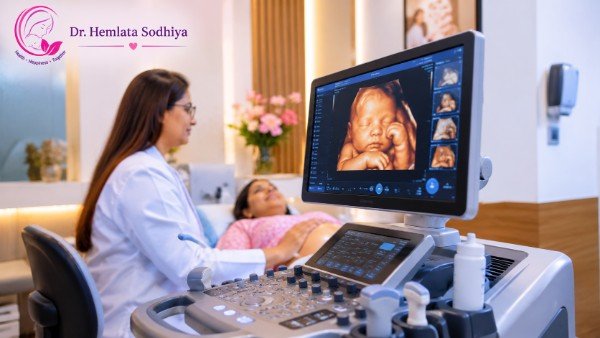
An ultrasound scan is a test that uses sound waves to create pictures of your baby inside the womb. It helps the doctor check your baby’s development, growth, position, and other important details.
Some mothers may need an early scan, while others may need scans at different stages of pregnancy. The timing depends on your health, pregnancy history, and doctor’s advice.
If you are looking for a Pregnancy Doctor in Palasia, understanding the purpose of each scan can help you feel more prepared and relaxed.
Let’s understand the different pregnancy scans and when they may be needed.
1. What Is an Ultrasound Scan During Pregnancy?
An ultrasound scan is a simple test that allows the doctor to see your baby inside the womb.
During the scan, a trained professional uses a small device to send sound waves into your body. These waves create pictures on a screen.
An ultrasound can help check:
- Whether the pregnancy is inside the womb.
- How many babies are growing.
- Your baby’s heartbeat, when visible at that stage.
- Your baby’s size and growth.
- The position of the placenta.
- Some parts of your baby’s body and development.
The scan is usually painless. A little gel may be applied to your stomach to help the ultrasound device move smoothly.
Your Pregnancy Doctor in Palasia can explain which scan is suitable for you and when you should have it.
2. When Is the First Ultrasound Scan Needed?
The first ultrasound may be advised during early pregnancy. Its timing depends on your last menstrual period, symptoms, medical history, and the reason for the scan.
An early scan may help:
- Confirm that the pregnancy is inside the womb.
- Check whether the pregnancy is developing.
- Estimate how many weeks pregnant you are.
- Check whether you are carrying one baby or more.
- Investigate pain or bleeding, if present.
An early scan is not always needed on the same date for every woman. Sometimes, if the pregnancy is very early, the doctor may suggest repeating the scan after some time to get a clearer result.
Do not worry if your doctor asks you to wait before having another scan. It may simply be too early to see all the expected details.
3. What Is the First Trimester Scan?
The first trimester is the first three months of pregnancy.
A scan during this stage may help confirm the pregnancy dates, check the number of babies, and assess early development.
Between 11 and 14 weeks, a specialised scan may also include a nuchal translucency (NT) measurement. This measurement can be used as part of screening for certain chromosome conditions.
It is important to understand that screening does not give a definite diagnosis. Your doctor will explain the benefits and limits of the test before you decide.
A Pregnancy Doctor in Palasia can guide you about the right timing for early pregnancy scans and any recommended screening tests.
4. What Is the Anomaly Scan and When Is It Done?

The anomaly scan is one of the important scans during pregnancy. It is usually done around 18–22 weeks, depending on the medical advice and local protocol.
It is also called the mid-pregnancy scan.
During this scan, the sonographer checks different parts of your baby’s body, such as:
- Brain and head.
- Face and neck.
- Spine.
- Heart.
- Stomach and abdomen.
- Arms and legs.
- Kidneys and other visible organs.
The scan also checks the placenta and may assess the amount of fluid around the baby.
The purpose is to look for certain physical conditions and check how your baby is developing. However, no ultrasound can detect every possible health condition.
If the scan shows something that needs a closer look, your doctor may suggest another scan or specialist advice. It does not always mean that something is wrong.
5. Is a Growth Scan Needed in the Third Trimester?
A growth scan may be recommended during the later months of pregnancy when your doctor wants to check your baby’s growth and well-being.
It may help assess:
- Your baby’s estimated weight.
- Your baby’s position.
- The amount of fluid around the baby.
- The position of the placenta.
- Blood flow, if a Doppler test is needed.
Not every pregnant woman needs a growth scan at the same time. Your doctor may recommend it if there are concerns about the baby’s growth, high blood pressure, diabetes, or another pregnancy-related condition.
Your Pregnancy Doctor in Palasia can decide whether an additional scan is needed based on your checkups and medical reports.
6. How Many Ultrasound Scans Are Needed During Pregnancy?
There is no single scan schedule that is right for every woman.
In India, government guidance includes a routine obstetric ultrasound around 18–19 weeks, with additional scans when medically needed. In many other pregnancy-care settings, an early scan and a mid-pregnancy anomaly scan are also commonly offered.
Your doctor may recommend more scans depending on your pregnancy and health.
For example, additional scans may be needed if:
- You have twins or more than one baby.
- Your baby appears smaller than expected.
- You have high blood pressure or diabetes.
- You have bleeding or abdominal pain.
- The placenta needs further checking.
- An earlier scan showed something that needs follow-up.
Having more scans does not automatically mean there is a problem. Sometimes they are simply needed to monitor your pregnancy more closely.
7. Is Ultrasound Safe for the Mother and Baby?
Ultrasound scans used in pregnancy are widely used in medical care. They use sound waves, not X-rays.
When performed by trained professionals for a medical reason, diagnostic ultrasound has no known harmful effects on the mother or baby.
However, scans should be done when medically advised. Avoid unnecessary scans only for keepsake pictures or entertainment.
Always choose a qualified healthcare provider and follow your doctor’s advice about scan timing.
8. How Should You Prepare for a Pregnancy Ultrasound?
Most pregnancy scans do not need much preparation. However, some early scans may require a full bladder to get clearer pictures.
Before your appointment:
- Ask whether you need to drink water before the scan.
- Carry your previous ultrasound reports.
- Keep your pregnancy records with you.
- Note down any questions you want to ask.
- Follow the instructions given by the clinic.
If you are unsure about anything, ask the clinic before your visit.
A Pregnancy Doctor in Palasia can help you understand the scan instructions and explain what your report means.
9. What If Your Ultrasound Report Shows an Abnormal Result?

Seeing an unexpected word in an ultrasound report can make any mother worried.
But remember, one unusual finding does not always mean that your baby has a serious problem.
Sometimes the doctor may need:
- A repeat ultrasound.
- A more detailed scan.
- A Doppler study.
- A consultation with a specialist.
- Additional tests, depending on the finding.
Do not try to understand the report by searching every medical term online. Discuss it with your doctor, who can explain what the finding means for your pregnancy.
10. Why Is Regular Pregnancy Care Important?
Ultrasound scans are only one part of pregnancy care. Regular checkups are also important because they help monitor your blood pressure, weight, blood tests, symptoms, and your baby’s growth.
If you are searching for a Pregnancy Doctor in Palasia, choose a qualified doctor who explains your reports clearly and helps you understand your pregnancy care plan.
Every pregnancy is different. The right scan schedule should be based on your health, pregnancy stage, and medical needs.
Conclusion
Pregnancy ultrasound scans help doctors check your baby’s development and monitor important details during pregnancy. Early scans, anomaly scans, and growth scans may each have a different purpose.
You may not need every type of scan, and the timing can vary from one woman to another. The most important thing is to follow your doctor’s advice and attend your regular pregnancy checkups.
If you have questions about your scan or pregnancy reports, consult a qualified Pregnancy Doctor in Palasia for proper guidance.
Frequently Asked Questions (FAQs)
1. When should I get my first ultrasound during pregnancy?
The timing depends on your pregnancy dates and medical needs. An early scan may be advised to confirm the pregnancy location and dates. Your doctor will guide you about the right time.
2. When is the anomaly scan done?
The anomaly scan is generally performed around 18–22 weeks of pregnancy. It checks several parts of the baby’s body and the position of the placenta.
3. Is an ultrasound scan painful?
No. Most pregnancy ultrasound scans are painless. You may feel slight pressure when the sonographer moves the device over your stomach.
4. How many ultrasound scans are needed during pregnancy?
The number depends on your health and pregnancy. Some women need only routine scans, while others may need extra scans for closer monitoring.
5. Can an ultrasound show my baby’s heartbeat?
Yes, an ultrasound may show the baby’s heartbeat when the pregnancy has reached the stage where it can be seen. If the scan is very early, the doctor may recommend another scan later.
6. Is a growth scan necessary for every pregnant woman?
No. A growth scan is recommended when your doctor needs more information about your baby’s size, growth, or well-being.
7. Can an ultrasound detect all birth defects?
No. Ultrasound can identify some physical conditions, but it cannot detect every birth defect or health problem. Your doctor will explain the scan’s limits.
8. Should I consult a doctor after receiving my ultrasound report?
Yes. Always discuss your ultrasound report with your doctor. They can explain the findings and advise whether any further tests or follow-up scans are needed.