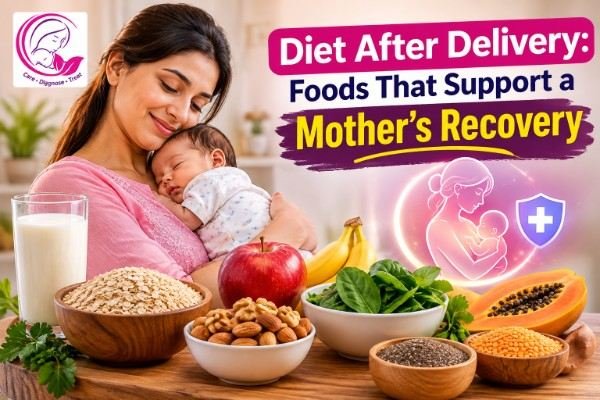
Becoming a mother is a beautiful experience, but the body goes through many physical and hormonal changes during pregnancy and childbirth. After delivery, a mother needs proper rest, care, and healthy food to regain her strength. A balanced diet plays an important role in healing the body, maintaining energy, and supporting breastfeeding.
Many new mothers are confused about what they should eat after childbirth. Some avoid certain foods because of traditional beliefs, while others do not know which foods provide the right nutrition.
According to a Female Gynecologist in Indore, eating fresh, nutritious, and balanced meals can support postpartum recovery and help mothers feel healthier and more energetic.
Let’s understand which foods are beneficial after delivery and how a healthy eating routine can support a mother’s recovery.
1. Protein-Rich Foods for Faster Recovery
Protein is one of the most important nutrients after childbirth. It helps repair body tissues, supports muscle recovery, and plays an important role in healing after normal delivery or a C-section.
New mothers should include protein-rich foods in their daily meals.
Best protein-rich foods include:
- Eggs
- Milk and curd
- Paneer
- Dal and lentils
- Chickpeas and kidney beans
- Nuts and seeds
- Chicken and fish (if preferred)
For vegetarian mothers, dal, paneer, milk, and chickpeas are excellent options.
A Female Gynecologist in Indore can help recommend a suitable protein intake based on the mother’s health, food preferences, and recovery needs.
2. Include Iron-Rich Foods to Improve Energy
Some women experience blood loss during childbirth. This can increase the risk of iron deficiency, especially if they already had low iron levels during pregnancy.
Iron helps the body produce haemoglobin, which carries oxygen throughout the body. Eating iron-rich foods can support healthy blood levels and reduce the risk of nutritional deficiencies.
Include these foods in your diet:
- Spinach and other green leafy vegetables
- Beetroot
- Dates
- Raisins
- Lentils
- Beans
- Jaggery in moderate amounts
- Meat, if preferred
Try combining plant-based iron sources with vitamin C-rich foods like lemon, oranges, and amla. Vitamin C helps the body absorb iron more effectively.
If you feel unusually tired, dizzy, or weak, consult your doctor. Food alone may not be enough if you have anaemia.
3. Eat Calcium-Rich Foods for Strong Bones
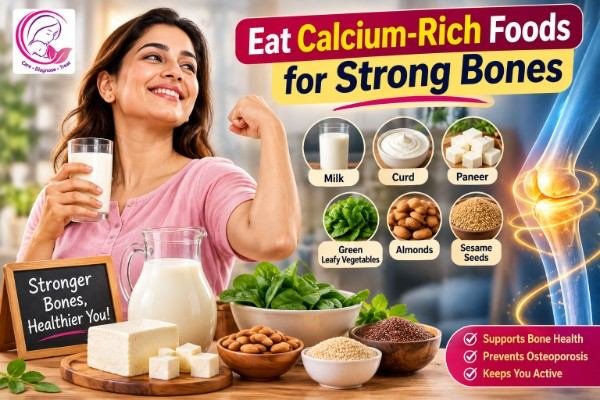
Calcium is important for maintaining healthy bones and teeth. It also supports normal muscle and nerve function.
During breastfeeding, mothers need to pay attention to their calcium intake as part of their overall nutrition.
Good calcium sources include:
- Milk
- Curd
- Paneer
- Ragi
- Sesame seeds
- Almonds
- Calcium-fortified foods
Try including milk or curd in your daily meals. If you do not consume dairy products, choose suitable alternatives that provide calcium.
A Female Gynecologist in Indore can guide mothers about calcium requirements and whether supplements are needed.
4. Fresh Fruits and Vegetables for Better Nutrition
Fresh fruits and vegetables provide essential vitamins, minerals, antioxidants, and fibre. These nutrients support general health and help the body recover after childbirth.
Include different coloured fruits and vegetables in your meals instead of depending on only one type.
Healthy options include:
- Apples
- Bananas
- Oranges
- Papaya
- Guava
- Carrots
- Spinach
- Broccoli
- Seasonal vegetables
Fibre-rich foods can also help prevent constipation, which is a common concern after delivery.
Wash fruits and vegetables properly before eating them. Choose fresh and seasonal options whenever possible.
5. Drink Enough Water and Healthy Fluids
Water is essential for every mother, particularly those who are breastfeeding. Breastfeeding increases the body’s fluid needs, and staying hydrated supports normal body functions.
Keep a water bottle nearby, especially during feeding sessions.
Healthy fluid choices include:
- Plain water
- Milk
- Homemade soups
- Coconut water
- Buttermilk
- Fresh fruit smoothies without excess added sugar
You do not need to force yourself to drink excessive amounts of water. Drink regularly according to your thirst and your doctor’s advice.
6. Include Healthy Fats in Your Daily Diet
Healthy fats provide energy and help the body absorb certain vitamins. They are also an important part of a balanced diet.
You can include small portions of healthy fats in your daily meals.
Some good options are:
- Almonds
- Walnuts
- Flaxseeds
- Chia seeds
- Peanuts
- Olive oil
- Mustard oil
- Ghee in moderate amounts
Traditional Indian foods such as homemade panjiri and gond laddoos may also be enjoyed in moderate portions if they suit your dietary needs. However, they are calorie-dense and are not compulsory for recovery or breast milk production.
7. Choose Fibre-Rich Foods to Prevent Constipation
Constipation can be uncomfortable after childbirth, particularly if a mother has stitches, haemorrhoids, or has undergone a C-section.
Eating enough fibre and drinking adequate fluids can help maintain regular bowel movements.
Add these foods to your meals:
- Oats
- Whole wheat roti
- Brown rice
- Fresh fruits
- Green vegetables
- Lentils
- Chia seeds
Try eating smaller, balanced meals throughout the day instead of skipping meals because of a busy baby-care routine.
If constipation continues or causes significant pain, speak with your doctor.
8. Foods Breastfeeding Mothers Should Include
Breastfeeding requires additional energy and nutrients. A mother should eat a varied and balanced diet rather than following unnecessary food restrictions.
Foods such as milk, dal, eggs, vegetables, fruits, whole grains, and nuts can support overall nutritional needs.
Some traditional foods, such as methi, ajwain, and fennel, are commonly included in Indian postpartum diets. However, no single food guarantees increased breast milk production.
If you notice that your baby is reacting repeatedly after you eat a particular food, discuss it with a paediatrician before removing major food groups from your diet.
A Female Gynecologist in Indore can help mothers understand their nutritional needs during breastfeeding and recovery.
9. Foods New Mothers Should Limit
After delivery, there is no need to follow an extremely restrictive diet. However, some food choices should be limited for better health.
Consider the following precautions:
- Limit packaged foods that contain excessive salt and sugar.
- Avoid crash diets and skipping meals.
- Limit excessive caffeine, especially while breastfeeding.
- Avoid alcohol while breastfeeding; seek medical guidance about safe feeding intervals if alcohol has been consumed.
- Avoid unverified herbal supplements and traditional medicines without medical advice.
- Follow food hygiene and avoid unsafe or undercooked foods.
Remember, a healthy postpartum diet should be balanced, enjoyable, and suitable for your individual health needs.
10. Why Is Medical Guidance Important After Delivery?
Every mother’s recovery is different. A woman who has had a normal delivery may have different nutritional needs from someone who has undergone a C-section or experienced significant blood loss.
Medical guidance can help identify nutritional deficiencies, support wound healing, and address breastfeeding concerns.
Consult a Female Gynecologist in Indore if you experience ongoing weakness, unusual fatigue, dizziness, poor appetite, or difficulty recovering after childbirth.
Regular postpartum checkups are also important for monitoring physical recovery and discussing any concerns.
Conclusion
A healthy diet after delivery is an important part of a mother’s recovery journey. Protein-rich foods, iron, calcium, fresh fruits, vegetables, whole grains, healthy fats, and enough fluids can help support energy levels and overall health.
New mothers should remember that recovery takes time. There is no need to follow strict food restrictions or expensive diet plans. Simple homemade meals with a variety of nutritious ingredients can make a big difference.
For personalised nutritional advice, breastfeeding support, and postpartum care, consult a Female Gynecologist in Indore who can guide you according to your health and recovery needs.
7. Frequently Asked Questions (FAQs)
Q1. Which foods are best after delivery?
Protein-rich foods, green vegetables, fruits, whole grains, milk, curd, nuts, and lentils are good choices after delivery. They provide essential nutrients that support recovery.
Q2. Can a mother eat rice after delivery?
Yes. Rice is generally safe after delivery. It provides energy and can be included in a balanced meal with dal, vegetables, and protein-rich foods.
Q3. What should a mother eat after a C-section?
After a C-section, include protein-rich foods, fruits, vegetables, whole grains, and adequate fluids. These support healing and help prevent constipation. Follow your doctor’s individual advice.
Q4. Which fruits are good for new mothers?
Bananas, apples, oranges, guava, papaya, and seasonal fruits are nutritious options. Wash them properly before eating.
Q5. Does drinking milk increase breast milk production?
Milk provides calcium and protein, but drinking milk does not directly guarantee increased breast milk production. Frequent breastfeeding and proper feeding support are important.
Q6. How long should a mother follow a postpartum diet?
A mother should maintain a balanced and nutritious diet throughout her recovery and beyond. Nutritional needs may change during breastfeeding and as activity levels increase.
Q7. Can mothers eat spicy food after delivery?
Yes. Most mothers can eat spicy food if they tolerate it well. There is generally no need to avoid spices unless they cause discomfort or a specific medical issue requires restrictions.
Q8. When should I consult a gynecologist after delivery?
Attend your scheduled postpartum checkups. Seek medical advice earlier if you experience fever, heavy bleeding, severe pain, wound problems, persistent dizziness, or other concerning symptoms.