

Pregnancy is one of the most beautiful journeys in a woman’s life, especially when it is her first pregnancy. Along with happiness and excitement, first-time mothers may have many questions about their health, baby’s development, medical tests and regular checkups.
Proper prenatal care is essential for monitoring the mother’s health and supporting the baby’s healthy development. Regular antenatal checkups help doctors identify potential complications early and provide appropriate medical guidance.
If you are expecting your first baby, consulting a Female Gynecologist in Indore can help you understand which tests, scans and precautions are important at every stage of pregnancy.
Let’s explore the important pregnancy checkups every expecting mother should know.
1. First Pregnancy Checkup: When Should You Visit a Doctor?
As soon as you confirm your pregnancy, schedule your first appointment with a gynecologist. Ideally, antenatal care should begin during the first trimester, preferably before 10–12 weeks.
During your first visit, your doctor may ask about:
- Your last menstrual period (LMP).
- Previous medical conditions and surgeries.
- Family medical history.
- Current medicines and supplements.
- Previous pregnancy history, if applicable.
- Any symptoms such as nausea, vomiting or abdominal pain.
Your doctor may also check your blood pressure, weight and general health.
A Female Gynecologist in Indore can help estimate your pregnancy duration, calculate your expected delivery date and prepare a suitable pregnancy care plan.
2. Important Blood Tests During Early Pregnancy
Blood tests are an important part of the first pregnancy checkup. They help identify health conditions that may affect the mother or baby.
Commonly recommended tests include:
Complete Blood Count (CBC): Checks haemoglobin levels and helps identify anaemia.
Blood Group and Rh Factor: Determines your blood group and Rh status. If you are Rh-negative, your doctor may recommend additional precautions.
Blood Sugar Test: Helps identify existing diabetes or the need for further screening.
Thyroid Function Test: Evaluates thyroid hormone levels when indicated or as part of local antenatal screening protocols.
Infection Screening: Tests for infections such as HIV, hepatitis B and syphilis are recommended during pregnancy.
Urine Test: Helps identify urinary infections, protein and other abnormalities.
A Female Gynecologist in Indore can recommend the appropriate tests based on your medical history and pregnancy stage.
3. Important Ultrasound Scans During Pregnancy
Ultrasound scans help doctors monitor the baby’s development, pregnancy progress and certain possible complications.
Some important scans include:
Early Pregnancy Scan: Helps confirm the location of pregnancy, assess early development and estimate gestational age when appropriate.
First Trimester Screening: The NT scan, usually performed around 11–13 weeks and 6 days, helps assess the risk of certain chromosomal conditions. It may be combined with blood tests.
Anomaly Scan: Usually performed between 18 and 22 weeks. It examines the baby’s major organs, brain, spine, heart and limbs.
Growth Scan: May be recommended later in pregnancy to assess the baby’s growth, position, amniotic fluid and placental location.
Not every pregnancy requires multiple scans. Your doctor will decide the appropriate ultrasound schedule according to your condition.
4. Regular Blood Pressure and Weight Monitoring
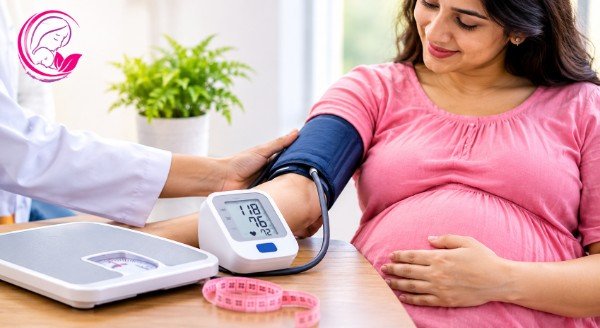
Monitoring blood pressure and weight is important throughout pregnancy.
High blood pressure can sometimes indicate pregnancy-related complications such as preeclampsia. Regular monitoring helps doctors identify concerning changes early.
Weight monitoring also helps assess nutritional health and pregnancy progress. Healthy weight gain varies depending on your pre-pregnancy BMI and individual circumstances.
A Female Gynecologist in Indore can guide you regarding healthy weight gain, nutrition and blood pressure monitoring throughout your pregnancy.
5. Gestational Diabetes Screening
Gestational diabetes is a type of diabetes that develops during pregnancy. It may occur even in women who did not have diabetes before becoming pregnant.
Screening is commonly recommended between 24 and 28 weeks, although earlier testing may be advised for women with certain risk factors.
High blood sugar during pregnancy can increase the risk of complications for both mother and baby if not managed properly.
Your doctor may recommend blood glucose testing and suggest dietary changes, physical activity or medication when necessary.
6. Important Checkups During the Second Trimester
The second trimester is an important stage for monitoring the baby’s growth and the mother’s health.
During this period, your doctor may recommend:
- Regular blood pressure and weight checks.
- Urine examination when required.
- Anomaly ultrasound scan.
- Blood sugar screening.
- Monitoring the baby’s growth.
- Reviewing haemoglobin and other test results.
A Female Gynecologist in Indore can also guide you regarding nutrition, supplements, physical activity and pregnancy-related discomforts.
7. Important Checkups During the Third Trimester
The third trimester prepares the mother for delivery. During these months, regular medical appointments become particularly important.
Your doctor may monitor:
- Baby’s growth and position.
- Baby’s heartbeat.
- Amniotic fluid levels when indicated.
- Mother’s blood pressure and weight.
- Baby’s movements.
- Signs of preterm labour or other complications.
Your doctor may also discuss delivery planning, hospital preparation, breastfeeding and warning signs that require immediate medical attention.
8. Vaccinations and Supplements During Pregnancy
Vaccinations and nutritional supplements help support maternal and fetal health.
Your doctor may recommend:
- Folic acid, particularly during early pregnancy.
- Iron and calcium supplements as advised.
- Tetanus and diphtheria (Td) vaccination according to the recommended schedule.
- Other pregnancy-appropriate vaccinations based on individual needs and national recommendations.
Never start or stop supplements without consulting your doctor.
A Female Gynecologist in Indore can help you understand the correct dosage and timing of supplements and vaccinations.
9. Warning Signs You Should Never Ignore

Although many pregnancy symptoms are normal, certain warning signs require immediate medical attention.
Contact your doctor or visit a hospital if you experience:
- Vaginal bleeding.
- Severe abdominal pain.
- Persistent severe headache or blurred vision.
- Sudden swelling of the face or hands.
- Fever or severe weakness.
- Fluid leaking from the vagina.
- Reduced baby movements after movements have become established.
Do not wait for your next scheduled appointment if you experience these symptoms.
10. Why Regular Pregnancy Checkups Are Important
Regular antenatal visits help monitor the mother’s health, assess the baby’s development and identify possible pregnancy complications.
Every pregnancy is different, and first-time mothers may need additional guidance about diet, exercise, sleep, medicines and delivery preparation.
Consulting a Female Gynecologist in Indore helps ensure that your pregnancy care is planned according to your individual medical needs.
Conclusion
Your first pregnancy brings happiness, excitement and many new experiences. Regular pregnancy checkups, timely blood tests, recommended ultrasound scans and healthy lifestyle habits play an important role in supporting a healthy pregnancy.
Do not skip antenatal appointments or ignore unusual symptoms. Follow your doctor’s recommendations and ask questions whenever you have concerns.
For professional pregnancy guidance and women’s healthcare, consult a Female Gynecologist in Indore and take an informed step towards a healthy pregnancy and safe motherhood.
7. Frequently Asked Questions (FAQs)
Q1. When should I have my first pregnancy checkup?
Ideally, schedule your first antenatal appointment as soon as pregnancy is confirmed, preferably before 10–12 weeks.
Q2. Which blood tests are important during the first pregnancy?
Common tests include CBC, blood group and Rh factor, blood sugar, thyroid testing when indicated, infection screening and urine examination.
Q3. How many ultrasound scans are required during pregnancy?
The number depends on individual health and pregnancy needs. Important scans may include an early pregnancy scan, NT scan, anomaly scan and additional growth scans when indicated.
Q4. When is the anomaly scan performed?
The anomaly scan is generally performed between 18 and 22 weeks to examine the baby’s major organs and physical development.
Q5. When should gestational diabetes testing be done?
Screening is commonly recommended between 24 and 28 weeks. Women with certain risk factors may need earlier testing.
Q6. How often should I visit a gynecologist during pregnancy?
Visit frequency depends on your pregnancy stage and health condition. Your doctor will prepare an individual antenatal appointment schedule.
Q7. Why is choosing a Female Gynecologist in Indore important during the first pregnancy?
A qualified gynecologist can guide you through pregnancy checkups, medical tests, ultrasound scans, nutritional advice and delivery preparation according to your individual needs.