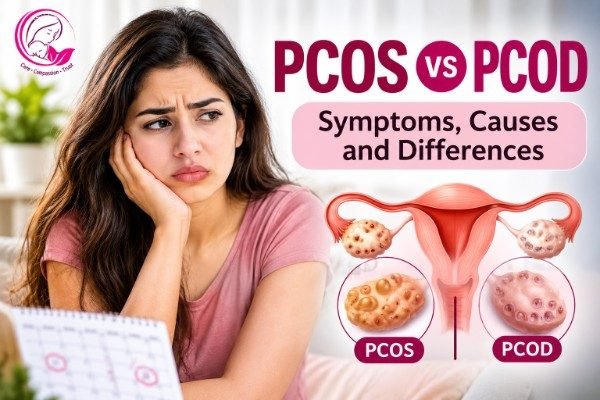
Hormonal changes can affect women’s reproductive health in several ways. Two commonly discussed conditions are PCOS (Polycystic Ovary Syndrome) and PCOD (Polycystic Ovarian Disease). Many women use these terms interchangeably, but understanding their meaning, symptoms and possible effects is important for maintaining good health.
Women experiencing irregular periods, unwanted facial hair, acne, weight changes or difficulty getting pregnant may have questions about these conditions. Consulting a Female Gynecologist in Indore can help identify the underlying cause and guide women towards appropriate treatment.
Let’s understand the differences between PCOS and PCOD, their causes, symptoms and available treatment options.
What Is PCOD?
PCOD, commonly known as Polycystic Ovarian Disease, is a term used to describe a condition in which the ovaries may release immature or partially mature eggs. These can sometimes develop into multiple small follicles.
This condition may be associated with hormonal imbalance, irregular menstrual cycles and difficulties with ovulation.
Some women with PCOD experience mild symptoms, while others may notice changes in their menstrual cycle, skin or weight.
Early consultation with a Female Gynecologist in Indore can help assess these symptoms and determine whether further investigations are needed.
What Is PCOS?
PCOS stands for Polycystic Ovary Syndrome. It is a hormonal and metabolic condition that can affect the ovaries, menstrual cycle and overall health.
Women with PCOS may experience higher levels or effects of androgens (commonly called male hormones), irregular ovulation and insulin resistance.
PCOS can affect women during their reproductive years and may sometimes make it difficult to conceive. However, many women with PCOS can become pregnant with appropriate care and treatment.
A Female Gynecologist in Indore can evaluate symptoms, recommend suitable tests and help create an individualised management plan.
Common Symptoms of PCOS and PCOD
Although symptoms can overlap, their severity and combination may vary from woman to woman.
1. Irregular Periods
One of the most common symptoms is irregular menstruation. Periods may occur less frequently, become unpredictable or sometimes stop for several months.
2. Unwanted Facial Hair
Increased androgen levels may lead to unwanted hair growth on the chin, upper lip, chest or other areas.
3. Acne and Oily Skin
Hormonal changes can increase oil production, resulting in persistent acne, particularly around the chin, jawline and cheeks.
4. Weight Gain
Some women experience weight gain, particularly around the abdomen. Insulin resistance may contribute to this problem.
5. Hair Thinning
Hair thinning or hair loss from the scalp can occur due to hormonal changes.
6. Difficulty Getting Pregnant
Irregular ovulation can make conception more challenging for some women.
If you notice these symptoms, consulting a Female Gynecologist in Indore can help you understand the cause rather than relying on self-diagnosis.
Causes of PCOS and PCOD
The exact causes are not fully understood, but several factors may contribute to these conditions.
- Hormonal Imbalance: Higher androgen levels can interfere with normal ovulation and menstrual cycles.
- Insulin Resistance: The body may not respond effectively to insulin, causing the pancreas to produce more insulin. This can influence androgen levels.
- Genetic Factors: A family history of PCOS may increase the likelihood of developing the condition.
- Lifestyle Factors: Physical inactivity, poor dietary habits and weight changes may influence symptoms and metabolic health.
It is important to understand that PCOS is not simply caused by eating unhealthy food or gaining weight. Women of different body types can experience this condition.
PCOS vs PCOD: What Is the Difference?
PCOS and PCOD are often discussed as separate conditions, but the terminology is not used consistently in medical practice. PCOS is the internationally recognised medical diagnosis, while PCOD is a commonly used term, particularly in South Asia.
| PCOD | PCOS |
| Commonly used term for ovarian dysfunction | Recognised hormonal and metabolic syndrome |
| Often associated with irregular ovulation | May involve hormonal and metabolic changes |
| Symptoms can vary | Symptoms can vary from mild to significant |
| Terminology is not consistently standardised | Has established diagnostic criteria |
| Management depends on symptoms | Management depends on symptoms and health risks |
Important: PCOD is not universally recognised as a separate, milder disease compared with PCOS. A proper medical assessment is necessary to understand an individual’s condition.
How Are PCOS and PCOD Diagnosed?
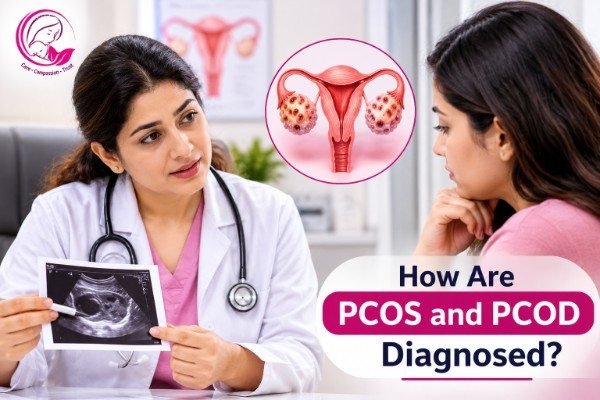
There is no single test that confirms PCOS in every woman. Diagnosis usually involves reviewing medical history, menstrual patterns and physical symptoms.
A doctor may recommend:
- Medical History: Information about periods, weight changes, acne, hair growth and family history.
- Blood Tests: Hormone levels and metabolic tests may be checked to evaluate possible hormonal imbalance and insulin-related problems.
- Ultrasound: An ultrasound may help assess the ovaries and reproductive organs.
- Other Investigations: Tests may be required to rule out other conditions that can cause similar symptoms.
If you are experiencing persistent menstrual irregularities, a Female Gynecologist in Indore can help determine which investigations are appropriate.
PCOS and PCOD Treatment Options
Although PCOS does not have a permanent cure, its symptoms can be managed effectively with the right treatment and regular follow-ups.
Treatment depends on the woman’s age, symptoms, overall health and pregnancy plans.
1. Lifestyle Modifications
Regular physical activity, balanced meals and adequate sleep can improve metabolic health and help manage symptoms.
2. Healthy Diet
Include vegetables, fruits, whole grains, protein-rich foods and fibre in your daily diet. Limit highly processed foods and sugary drinks.
3. Medication for Irregular Periods
Doctors may prescribe hormonal medication to regulate menstrual cycles and protect the uterine lining when required.
4. Managing Acne and Excess Hair Growth
Specific medications and dermatological treatments may help manage acne and unwanted hair growth.
5. Fertility Treatment
Women planning pregnancy may benefit from ovulation-inducing medications or other fertility treatments, depending on their medical evaluation.
A Female Gynecologist in Indore can recommend treatment according to individual symptoms and reproductive goals. Avoid taking hormonal medicines without medical advice.
Lifestyle Tips to Manage PCOS and PCOD

Small lifestyle changes can make a positive difference in managing hormonal and metabolic health.
- Exercise regularly, such as walking, cycling or yoga.
- Maintain a balanced and nutritious diet.
- Get approximately 7–9 hours of sleep.
- Manage stress through relaxation techniques.
- Maintain a healthy weight if medically appropriate.
- Attend regular health check-ups.
- Follow your doctor’s treatment recommendations.
Remember that PCOS can affect women of all body sizes. Weight loss is not a requirement for every woman with this condition.
When Should You Consult a Gynecologist?
Do not ignore persistent menstrual or hormonal changes. Consider consulting a Female Gynecologist in Indore if you experience:
- Periods that are consistently irregular or absent.
- Excessive facial or body hair.
- Persistent acne or unexplained hair thinning.
- Sudden or unexplained weight changes.
- Difficulty getting pregnant.
- Symptoms that affect your daily routine or emotional well-being.
Early medical evaluation can help identify the cause, manage symptoms and reduce the risk of possible long-term complications.
Conclusion
PCOS and PCOD are commonly used terms associated with ovarian and hormonal health, but they should not automatically be considered two completely different diseases. PCOS is a recognised hormonal and metabolic syndrome, while PCOD is a less standardised term.
Understanding the symptoms, getting an appropriate diagnosis and following a personalised treatment plan can help women maintain better reproductive health.
If you are experiencing irregular periods, acne, unwanted hair growth or fertility concerns, consult a Female Gynecologist in Indore for professional guidance. With timely medical support and healthy lifestyle habits, many women can successfully manage their symptoms and lead healthy lives.
7. Frequently Asked Questions (FAQs)
Q1. Are PCOS and PCOD the same?
PCOS and PCOD are commonly used interchangeably, but PCOS is the recognised medical diagnosis. PCOD is a less standardised term used in some regions.
Q2. Can women with PCOS get pregnant?
Yes. Many women with PCOS can conceive naturally or with appropriate fertility treatment. Early evaluation can help identify ovulation-related problems.
Q3. What are the first signs of PCOS?
Common signs include irregular periods, acne, unwanted facial hair, hair thinning and weight changes. Symptoms differ between individuals.
Q4. Can PCOS be managed without medication?
Some women can manage certain symptoms through lifestyle changes, regular exercise and balanced nutrition. However, medication may be necessary depending on individual symptoms and health risks.
Q5. When should I consult a gynecologist for PCOS?
If you experience irregular periods, persistent acne, excessive hair growth or difficulty conceiving, consult a Female Gynecologist in Indore for proper evaluation and treatment.