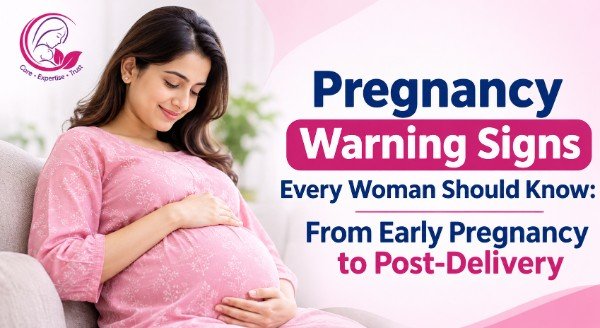
Pregnancy is a beautiful journey, but it also brings several physical and emotional changes. From the first trimester to the final days before delivery, women may experience abdominal pain, nausea, vomiting, swelling, spotting, and changes in their baby’s movements. While some symptoms are common during pregnancy, others may indicate a medical problem that requires immediate attention.
Many expecting mothers become confused about which symptoms are normal and which should not be ignored. Understanding these warning signs can help protect both the mother and baby. Consulting an experienced Gynecologist in Indore and attending regular antenatal checkups can help identify potential complications early.
Let’s understand the common pregnancy warning signs, their possible causes, and what you should do when they occur.
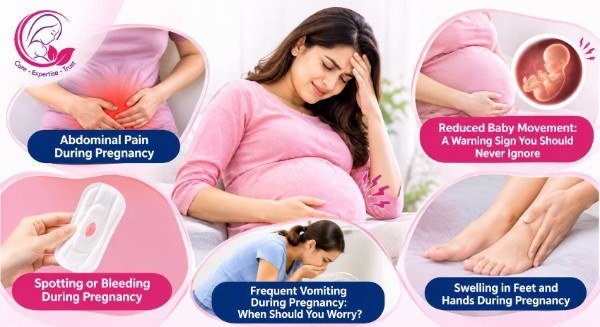
1. Abdominal Pain During Pregnancy: When Is It Normal?
Mild abdominal pain or cramps can occur during pregnancy because of hormonal changes, constipation, gas, and stretching of the ligaments supporting the uterus.
However, severe or persistent abdominal pain should never be ignored. Pain accompanied by vaginal bleeding, fever, dizziness, or contractions may indicate a serious problem.
What should you do?
- Take adequate rest when experiencing mild discomfort.
- Drink enough water throughout the day.
- Avoid heavy lifting and strenuous activities.
- Contact your doctor if the pain continues or becomes severe.
If you experience severe pain, fainting, or bleeding, seek emergency medical attention. A Gynecologist in Indore can evaluate the symptoms and recommend appropriate tests or treatment.
2. Reduced Baby Movement: A Warning Sign You Should Never Ignore
Feeling your baby move is one of the most special experiences during pregnancy. As pregnancy progresses, mothers become familiar with their baby’s usual movement pattern.
If you notice that your baby is moving less than usual, has stopped moving, or there is a sudden change in the normal pattern, contact your maternity healthcare provider immediately.
What should you do?
- Pay attention to your baby’s usual movement pattern.
- Do not ignore a noticeable reduction in movement.
- Do not wait until the next day for medical advice.
- Avoid relying on home remedies or food to make the baby move.
Reduced fetal movement can sometimes indicate that the baby needs medical assessment. A Gynecologist in Indore can arrange appropriate monitoring to check the baby’s well-being.
3. Spotting or Bleeding During Pregnancy
Some women experience light spotting during early pregnancy. Although it does not always indicate a serious complication, bleeding can sometimes be associated with miscarriage, ectopic pregnancy, or other pregnancy-related problems.
Bleeding during later pregnancy needs prompt medical evaluation because it may be related to placental complications or premature labour.
What should you do?
- Contact your doctor whenever you notice vaginal bleeding.
- Observe the colour and amount of bleeding.
- Avoid self-medication.
- Seek emergency care if bleeding is heavy or accompanied by severe pain, dizziness, or fainting.
Never assume that bleeding during pregnancy is normal without medical advice.
4. Frequent Vomiting During Pregnancy: When Should You Worry?
Nausea and vomiting are common during early pregnancy, particularly during the first trimester. However, excessive vomiting can cause dehydration, weakness, and nutritional deficiencies.
If you cannot keep food or water down, experience very little urine, feel dizzy, or lose weight, you may need medical treatment.
What can help?
- Eat small meals at regular intervals.
- Avoid oily and strongly smelling foods if they trigger nausea.
- Drink fluids in small, frequent amounts.
- Take medicines only after consulting your doctor.
If vomiting becomes severe or persistent, consult a Gynecologist in Indore for proper evaluation and treatment.
5. Swelling in Feet and Hands During Pregnancy
Mild swelling in the feet and ankles is common during pregnancy, particularly in the later months. It can happen because the body retains more fluid and the growing uterus puts pressure on blood circulation.
However, sudden swelling of the face or hands, especially when accompanied by severe headaches, blurred vision, or upper abdominal pain, may be a warning sign of pre-eclampsia.
What should you do?
- Avoid standing for long periods.
- Rest with your feet elevated.
- Stay hydrated.
- Attend regular blood pressure checkups.
- Seek immediate medical advice for sudden swelling or associated warning symptoms.
A Gynecologist in Indore can monitor your blood pressure and recommend further tests when necessary.
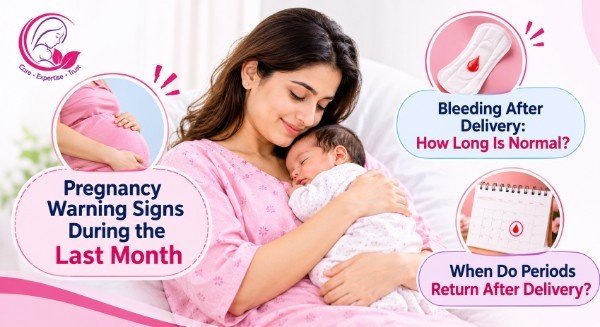
6. Pregnancy Warning Signs During the Last Month
The final month of pregnancy requires special attention because labour may begin at any time. Mothers should understand the difference between common discomforts and symptoms that require immediate medical care.
Watch out for these warning signs:
- Regular, painful contractions that become stronger and closer together.
- Water leaking from the vagina.
- Vaginal bleeding.
- Reduced or absent baby movements.
- Severe abdominal pain.
- Severe headache or blurred vision.
What should you do?
Keep your hospital bag and medical records ready. Follow your doctor’s instructions about labour and delivery. If you notice reduced baby movement, bleeding, or fluid leakage, contact your maternity team immediately.
Timely guidance from a Gynecologist in Indore can help you prepare for a safer delivery.
7. Bleeding After Delivery: How Long Is Normal?
Bleeding after childbirth is called lochia. It happens as the uterus sheds blood, mucus, and tissue after delivery. It is common after both normal delivery and C-section.
Initially, the bleeding may be heavier and red in colour. Gradually, it usually becomes lighter and may change to pinkish or brownish discharge before stopping.
Postpartum bleeding commonly continues for around 6 to 8 weeks, although the duration varies between women.
When should you worry?
- Bleeding suddenly becomes very heavy.
- You pass large blood clots.
- You experience dizziness or fainting.
- You develop fever or foul-smelling discharge.
- Abdominal pain becomes severe or worsens.
Very heavy bleeding, especially with weakness or faintness, requires emergency medical attention.
8. When Do Periods Return After Delivery?
Many women wonder when their menstrual cycle will return after childbirth. The timing varies depending on hormonal changes, breastfeeding, and individual health.
Women who are not breastfeeding may get their first period within a few weeks after delivery. For women who exclusively breastfeed, periods may return much later.
However, remember that ovulation can happen before the first period. This means pregnancy is possible even if menstruation has not returned.
What should you do?
- Discuss postpartum contraception with your doctor.
- Attend your post-delivery checkup.
- Do not assume breastfeeding always prevents pregnancy.
- Seek medical advice if you experience unusually heavy bleeding or concerning symptoms.
An experienced Gynecologist in Indore can guide you regarding postpartum recovery, menstrual changes, and family planning.
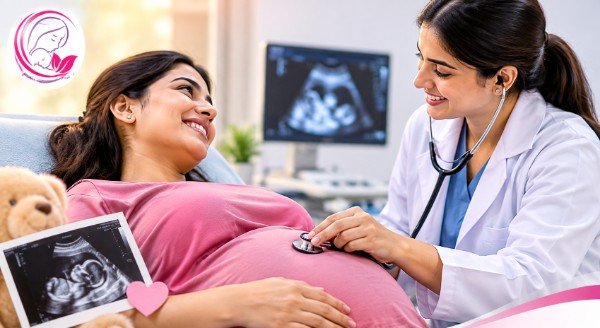
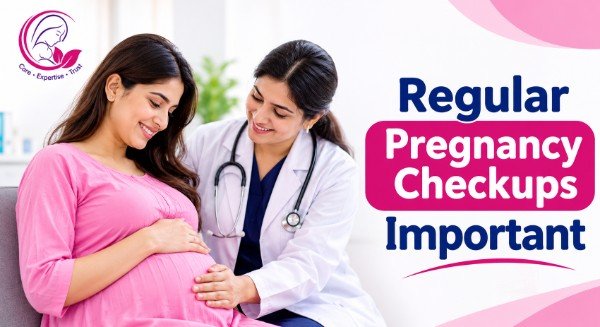
Why Are Regular Pregnancy Checkups Important?
Regular antenatal checkups help monitor the mother’s health and the baby’s development. They also help identify complications such as high blood pressure, gestational diabetes, anaemia, and fetal growth concerns.
During pregnancy, your doctor may recommend blood tests, ultrasound scans, blood pressure monitoring, and other investigations depending on your medical history and pregnancy stage.
If you are expecting a baby or planning pregnancy, choosing a qualified Gynecologist in Indore can help you receive appropriate guidance throughout your maternity journey.
Conclusion
Pregnancy involves many changes, and every woman experiences them differently. While mild discomfort, nausea, and gradual swelling may be common, symptoms such as vaginal bleeding, severe abdominal pain, reduced baby movement, sudden swelling, and excessive vomiting require medical attention.
Understanding these warning signs and seeking timely advice can make a significant difference to maternal and baby health.
Frequently Asked Questions (FAQs)
1. Which pregnancy symptoms should never be ignored?
Vaginal bleeding, severe abdominal pain, reduced baby movement, severe headaches, blurred vision, sudden swelling, high fever, and difficulty breathing require prompt medical attention.
2. Is abdominal pain normal during pregnancy?
Mild abdominal discomfort can occur due to gas, constipation, and ligament stretching. However, severe or persistent pain, especially with bleeding or dizziness, needs urgent evaluation.
3. Is spotting during early pregnancy dangerous?
Not always. Some women experience light spotting, but it can also indicate complications. Contact your doctor whenever bleeding occurs during pregnancy.
4. When should I worry about reduced baby movement?
If your baby’s movements become less frequent than their usual pattern or stop, contact your maternity healthcare provider immediately. Do not wait until the next day.
5. How long does bleeding continue after delivery?
Post-delivery bleeding usually decreases gradually over several weeks and commonly stops within 6–8 weeks. Very heavy bleeding, fever, or foul-smelling discharge needs medical attention.
6. When do periods return after childbirth?
Periods may return within 5–6 weeks for some women who are not exclusively breastfeeding. Breastfeeding can delay menstruation, sometimes for several months.
7. When should I consult a gynecologist during pregnancy?
You should arrange regular antenatal checkups throughout pregnancy and contact your doctor promptly whenever you experience unusual or concerning symptoms.