Reproductive health is an important part of every woman’s overall health. It includes menstrual health, hormonal balance, fertility, pregnancy, and menopause. Taking care of your reproductive health can help you feel better, understand your body, and identify health problems early.
A woman’s body changes at different stages of life. The health needs of a teenage girl are different from those of an adult woman or a woman going through menopause. Therefore, it is important to follow healthy habits and get the right medical advice at every age.
If you are looking for a Female Gynecologist in Old Palasia, understanding the basics of reproductive health is a good first step towards taking better care of yourself.
Why Is Reproductive Health Important?
Good reproductive health helps women understand their menstrual cycles, notice unusual changes, and manage common health concerns. It also supports healthy pregnancies and helps women prepare for changes that happen with age.
Problems such as irregular periods, unusual vaginal discharge, pelvic pain, and hormonal changes should not always be ignored. Some changes may be normal, but others may need medical attention.
Regular checkups can help identify certain problems early and provide suitable treatment when needed.
1. Reproductive Health During the Teenage Years
The teenage years are when many girls experience puberty. During this time, the body goes through several changes, including breast development, the growth of body hair, and the beginning of menstruation.
Periods may be irregular during the first few years after they begin. However, very heavy bleeding, severe pain, or long gaps between periods should be discussed with a healthcare professional.
Teenage girls should learn how to maintain menstrual hygiene and understand the changes happening in their bodies. Eating nutritious food, getting enough sleep, and staying physically active can also support healthy development.
Parents should encourage open conversations about periods and reproductive health without making girls feel embarrassed.
2. Reproductive Health in Your 20s
During your 20s, maintaining healthy habits becomes especially important. This is a good time to understand your menstrual cycle, learn about contraception, and discuss future pregnancy plans if relevant.
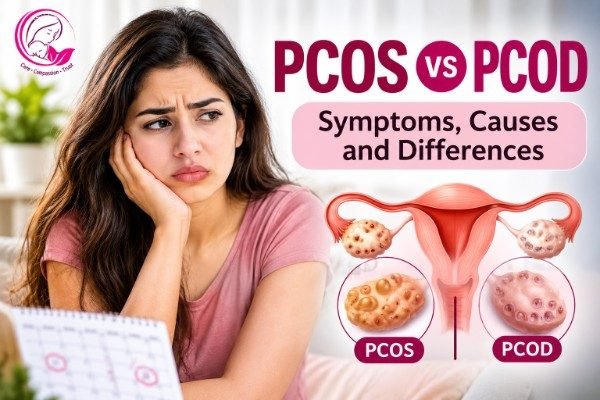
Conditions such as polycystic ovary syndrome (PCOS), thyroid disorders, and other hormonal problems can affect menstrual cycles. Symptoms such as persistent acne, increased facial hair, irregular periods, or unexplained weight changes may need evaluation.
If you notice these symptoms, consider consulting a Female Gynecologist in Old Palasia for an appropriate assessment.
Women who are sexually active should also learn about sexually transmitted infections (STIs), safer sex practices, and suitable contraception. Cervical cancer screening should begin at the age recommended by local guidelines and your healthcare professional.
3. Reproductive Health in Your 30s
In your 30s, reproductive health may involve fertility planning, pregnancy, childbirth, or managing work and family responsibilities. Every woman’s needs are different, so health advice should be based on her individual situation.
If you are planning a pregnancy, a pre-pregnancy consultation can help you review your medical history, medications, vaccinations, and lifestyle habits. Taking folic acid before pregnancy, as advised by your healthcare professional, can help reduce the risk of certain birth defects.
Some women may experience changes in their menstrual cycles due to stress, thyroid problems, PCOS, or other conditions. Do not assume that every change is caused by age.
If you are trying to conceive and have concerns about fertility, a Female Gynecologist in Old Palasia can help you understand the next steps and whether further evaluation is needed.
4. Reproductive Health During Your 40s
During your 40s, hormonal changes may begin as the body approaches menopause. This stage is called perimenopause, and it can last several years.
You may notice irregular periods, hot flashes, mood changes, sleep problems, or vaginal dryness. These symptoms can vary from one woman to another.
Although these changes are common, heavy bleeding, bleeding between periods, or bleeding after sexual intercourse should be evaluated by a healthcare professional.
Women in this age group should also discuss their individual needs for cervical cancer screening, breast health checks, and other preventive care. The recommended schedule depends on age, medical history, and personal risk factors.
A consultation with a Female Gynecologist in Old Palasia can help you understand which screenings and treatments may be suitable for you.
5. Reproductive Health After Menopause
Menopause usually occurs between the ages of 45 and 55. It is confirmed after a woman has gone 12 consecutive months without a menstrual period, provided there is no other explanation.
After menopause, lower estrogen levels may cause vaginal dryness, discomfort during sexual activity, and urinary symptoms. Some women also experience changes in sleep, mood, and bone health.
Simple lifestyle changes can help support overall well-being. Eating a balanced diet, staying active, getting enough calcium and vitamin D, and avoiding smoking are useful steps.
Any vaginal bleeding after menopause should be checked by a healthcare professional, even if it happens only once. Early assessment can help identify the cause and ensure appropriate care.
Simple Daily Habits for Better Reproductive Health

Healthy daily habits can make a real difference in your overall well-being. You do not need to make big changes all at once. Start with small steps and follow them regularly.
- Eat a balanced diet: Include fruits, vegetables, whole grains, protein-rich foods, and sources of iron.
- Stay physically active: Regular exercise supports heart health, weight management, and general well-being.
- Maintain menstrual hygiene: Change sanitary products regularly and wash your external genital area gently.
- Get enough sleep: A regular sleep routine supports physical and emotional health.
- Practice safer sex: Use appropriate protection and discuss STI testing when needed.
- Avoid smoking: Smoking can affect fertility and increase several health risks.
- Attend regular checkups: Ask your healthcare professional which screenings are appropriate for your age and medical history.
Avoid using vaginal washes, scented products, or medicines without proper advice. The vagina naturally maintains its own balance, and unnecessary products may cause irritation.
When Should You Visit a Gynecologist?

Many women delay seeking medical advice because they feel shy or believe their symptoms are normal. However, paying attention to changes in your body is an important part of preventive healthcare.
Consider booking an appointment if you experience persistent irregular periods, severe menstrual pain, unusual discharge with a bad smell, pelvic pain, difficulty conceiving, or symptoms that interfere with your daily life.
Very heavy bleeding, severe or sudden pelvic pain, fainting, or pain and bleeding during a possible pregnancy may require urgent medical attention.
If you need guidance about menstrual health, fertility, pregnancy, or menopause, consulting a Female Gynecologist in Old Palasia can help you understand your symptoms and available care options.
Choose a qualified healthcare professional with whom you feel comfortable discussing personal concerns. Do not hesitate to ask questions about tests, treatment choices, and preventive care.
Take Care of Your Reproductive Health at Every Stage

Reproductive health is not just about pregnancy or periods. It is a lifelong part of women’s health that deserves attention at every age.
From understanding puberty to managing menopause, regular checkups and healthy daily habits can help women make informed decisions about their bodies.
If you have concerns about your reproductive health, a Female Gynecologist in Old Palasia can guide you according to your age, symptoms, and medical history. Remember that every woman’s body is different, and the right care begins with understanding your individual needs.
Taking small steps today can help you protect your health and feel more confident at every stage of life.
Frequently Asked Questions (FAQs)
1. How can I maintain good reproductive health?
Eat a balanced diet, exercise regularly, maintain menstrual hygiene, practice safer sex, get enough sleep, and attend recommended health checkups.
2. How often should women visit a gynecologist?
The frequency depends on age, symptoms, medical history, and individual needs. Women should seek medical advice when they notice unusual changes and follow recommended preventive screening schedules.
3. Are irregular periods always a sign of a health problem?
Not always. Periods may be irregular during adolescence, perimenopause, or certain life changes. However, persistent irregularity, very heavy bleeding, or severe pain should be evaluated.
4. When should I consult a Female Gynecologist in Old Palasia?
You can consult a gynecologist for menstrual problems, PCOS concerns, fertility questions, pregnancy planning, unusual discharge, pelvic pain, or menopause symptoms.
5. How can women maintain reproductive health after menopause?
Maintain a balanced diet, exercise regularly, discuss bone and heart health with your healthcare professional, and seek medical advice for vaginal or urinary symptoms. Any bleeding after menopause needs prompt evaluation.
6. Is vaginal discharge normal?
Normal vaginal discharge can be clear or white and may change during the menstrual cycle. Discharge accompanied by itching, burning, a strong unpleasant smell, or pelvic pain should be checked by a healthcare professional.