Polycystic Ovary Syndrome (PCOS) is a common hormonal condition that can affect menstrual cycles, skin health, hair growth, and fertility. Many women experience symptoms such as irregular periods, acne, unwanted facial hair, or difficulty managing their weight without immediately realising that these concerns may be related to PCOS. Getting the right medical guidance can help women understand their symptoms and manage the condition effectively.
If you are searching for a Gynaecologist in Indore for PCOS treatment, it is important to find a qualified specialist who understands hormonal health and can recommend a treatment plan suited to your individual needs. PCOS can affect women differently, which means treatment should be based on symptoms, medical history, and personal health goals rather than a one-size-fits-all approach.
In this guide, we will explain what PCOS is, which symptoms to look out for, how it is diagnosed, and what to consider when choosing a gynaecologist for PCOS management in Indore.
What Is PCOS and How Does It Affect Women’s Health?
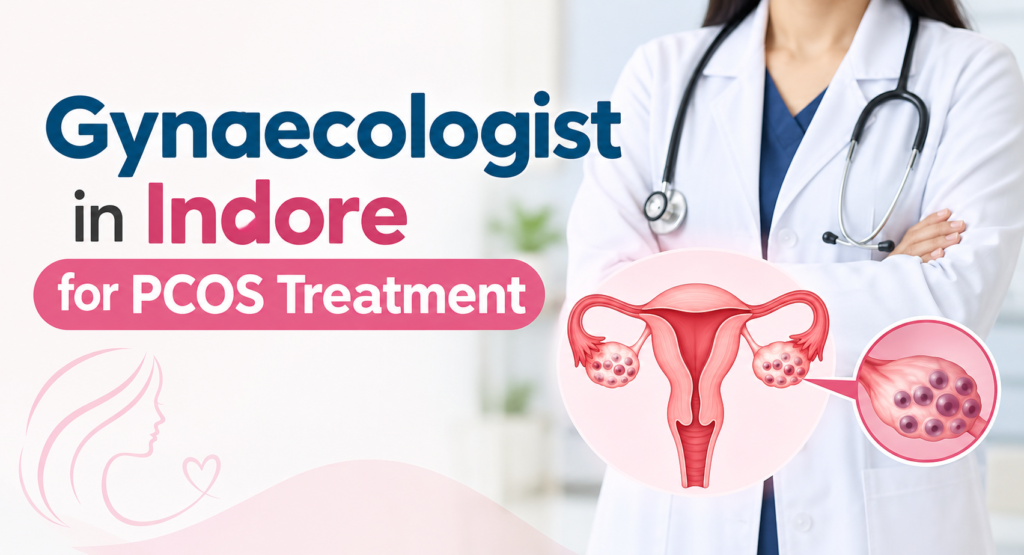
Polycystic Ovary Syndrome is a hormonal and metabolic condition that can affect the functioning of the ovaries. It is associated with changes in reproductive hormones and, in many cases, insulin resistance.
Despite its name, having PCOS does not necessarily mean that a woman has ovarian cysts. The condition can be present even when cyst-like structures are not visible on an ultrasound.
PCOS can affect different aspects of health, including:
- Menstrual regularity and ovulation.
- Skin health, including acne and oily skin.
- Hair growth on the face or body.
- Hair thinning on the scalp.
- Metabolic health, including blood sugar regulation.
- Fertility and pregnancy planning.
Some women experience only a few symptoms, while others may have several concerns at the same time. Symptoms can also change over the years.
Consulting a qualified Gynaecologist in Indore can help you understand whether your symptoms may be related to PCOS or another medical condition requiring different treatment.
Common Symptoms of PCOS You Should Not Ignore
Recognising the possible symptoms of PCOS is an important first step towards seeking appropriate medical advice.
1. Irregular or Missed Periods
Irregular menstrual cycles are among the common signs associated with PCOS. Some women may experience infrequent periods, while others may have unpredictable bleeding patterns because ovulation does not occur regularly.
However, irregular periods can also be caused by thyroid disorders, pregnancy, stress, changes in weight, and other health conditions.
If your periods are consistently irregular or stop for several months, consult a healthcare professional for an assessment.
2. Persistent Acne and Oily Skin
Hormonal changes associated with PCOS can contribute to excess androgen activity, which may increase oil production and worsen acne.
Breakouts may appear on the face, chest, or back. Although acne alone does not confirm PCOS, persistent acne alongside irregular periods or other hormonal symptoms may warrant medical evaluation.
A gynaecologist may coordinate care with a dermatologist if you need additional support for skin-related symptoms.
3. Unwanted Facial or Body Hair
Some women with PCOS develop thicker, darker hair on areas such as the chin, upper lip, chest, or abdomen. This can occur when androgen levels are elevated or when the body is more sensitive to these hormones.
Sudden or rapidly progressing hair growth, particularly when accompanied by other new symptoms, should be assessed promptly.
A medical evaluation can help identify the underlying cause and determine appropriate treatment options.
4. Weight Changes and Metabolic Concerns
Some women with PCOS experience weight gain or find weight management challenging. Insulin resistance can also occur in PCOS, including in women who are not overweight.
It is important to understand that body weight alone cannot diagnose PCOS, and not every woman with the condition will experience weight gain.
A healthcare professional can assess relevant metabolic risk factors and suggest realistic lifestyle measures or medical treatment where appropriate.
5. Difficulty Conceiving
PCOS may affect ovulation, making it more difficult for some women to become pregnant. However, PCOS does not mean that pregnancy is impossible.
Many women with PCOS conceive naturally, while others may benefit from medical support to improve ovulation.
If you are planning a pregnancy or experiencing difficulty conceiving, a gynaecologist can discuss suitable investigations and fertility treatment options based on your circumstances.
How to Choose the Right Gynaecologist in Indore for PCOS Treatment
Finding the right specialist involves more than looking at clinic ratings. You should consider the doctor’s qualifications, experience with hormonal conditions, approach to diagnosis, and ability to provide ongoing care.
1. Check Qualifications and Relevant Experience
Look for a qualified medical doctor with appropriate training in obstetrics and gynaecology. If PCOS is your main concern, consider whether the doctor regularly evaluates and manages hormonal and menstrual disorders.
You can review the doctor’s qualifications through official hospital or clinic profiles and relevant medical registration records.
If you have additional concerns about diabetes risk, thyroid disorders, or other metabolic conditions, ask whether the doctor can coordinate care with an endocrinologist or another appropriate specialist.
Choosing a Gynaecologist in Indore with relevant experience can help you receive a more focused evaluation of your symptoms.
2. Look for an Individualised Treatment Approach
PCOS does not have one universal treatment. The appropriate approach depends on your symptoms, medical history, health risks, and whether you are currently planning a pregnancy.
For example, a woman mainly concerned about irregular periods may need a different treatment plan from someone seeking help with acne, unwanted hair growth, or infertility.
A good consultation should include a discussion of your priorities and realistic treatment goals.
Be cautious of anyone promising a permanent cure or guaranteed results through a single medicine, supplement, or procedure. PCOS is generally a long-term condition that can often be managed effectively with appropriate care.
3. Understand the Diagnostic Process
There is no single test that confirms every case of PCOS. In adults, diagnosis generally involves assessing features such as irregular ovulation, clinical or biochemical evidence of elevated androgens, and polycystic ovarian appearance on ultrasound or, in appropriate circumstances, an alternative assessment of ovarian morphology.
Other conditions that can cause similar symptoms may need to be excluded.
Depending on your symptoms, the doctor may recommend blood tests, a pregnancy test, thyroid testing, or other investigations. Blood pressure, cholesterol, and blood sugar assessment may also be appropriate.
An ultrasound is not always necessary to diagnose PCOS, and its usefulness depends on the patient’s age and clinical circumstances. In adolescents, diagnosis requires particular care because normal changes during puberty can resemble PCOS.
A qualified Gynaecologist in Indore should explain why each recommended test is needed rather than automatically ordering every available investigation.
4. Consider Long-Term Follow-Up Care
PCOS management may require follow-up visits to review symptoms, assess treatment effectiveness, and monitor relevant health risks.
During follow-up appointments, your doctor may discuss menstrual regularity, skin symptoms, medication effects, metabolic health, or progress towards pregnancy goals.
Ask how often follow-up appointments may be needed and how you can contact the clinic if you experience side effects or new symptoms.
Consistent monitoring can help your treatment plan adapt as your health needs change.
5. Review Clinic Facilities and Patient Communication
Choose a clinic or hospital where you feel comfortable discussing personal health concerns. Clear explanations, respectful communication, privacy, and adequate consultation time are important.
Depending on your needs, you may also want access to laboratory testing, ultrasound services, or referrals to other specialists.
Before booking an appointment, check the clinic’s location, consultation fees, timings, and availability.
Patient reviews may provide useful information about communication and appointment experiences, but verify qualifications and services independently rather than relying on online ratings alone.
What Treatment Options Are Available for PCOS?
PCOS treatment is based on the symptoms that need attention and the patient’s individual health goals. A gynaecologist may recommend one or more of the following approaches.
Lifestyle Changes and Healthy Habits
Balanced nutrition, regular physical activity, adequate sleep, and sustainable daily routines can support overall health and metabolic function.
For women who are overweight, gradual and sustainable weight management may improve some PCOS symptoms. However, lifestyle support should be personalised, and treatment should not depend on weight loss alone.
Avoid extreme diets or unverified remedies that promise rapid hormonal balance.
Medication for Menstrual Irregularities
Depending on individual circumstances, a doctor may prescribe hormonal contraceptives or progestogen-based treatment to regulate bleeding and help protect the uterine lining when periods are infrequent.
The choice depends on medical history, contraindications, symptoms, and reproductive plans.
Do not start hormonal medication without consulting a qualified healthcare professional.
Treatment for Acne and Excess Hair Growth
Some treatments used for PCOS-related symptoms can help reduce acne or unwanted hair growth. Options may include hormonal medication, selected anti-androgen medicines, or separate dermatological treatments.
Certain medicines require reliable contraception because they can harm a developing pregnancy. A doctor should explain the potential benefits, side effects, and precautions before prescribing them.
Support for Blood Sugar and Metabolic Health
Some women with PCOS may benefit from medicines such as metformin, particularly when metabolic concerns or specific clinical indications are present.
It is not required for every woman with PCOS. Your doctor can assess whether it is appropriate based on your medical history and test results.
Fertility Treatment and Pregnancy Planning
If PCOS affects ovulation and you want to become pregnant, treatment may include ovulation-inducing medication and other fertility support, depending on your circumstances.
Let your doctor know if you are planning a pregnancy before starting treatment. This helps ensure that investigations and medications are suitable for your reproductive goals.
When Should You Book a PCOS Consultation?
Consider arranging an appointment with a Gynaecologist in Indore if you experience persistent irregular periods, unexplained changes in menstrual patterns, signs of excess androgen activity, or concerns about fertility.
It is also worth seeking advice if you have already been diagnosed with PCOS but are unsure about your treatment, have troublesome medication side effects, or need guidance about long-term health monitoring.
Seek urgent medical attention if you experience severe or sudden pelvic pain, especially with vomiting, fainting, or significant bleeding. These symptoms should not automatically be attributed to PCOS.
Early evaluation can help clarify the cause of your symptoms and identify an appropriate management plan.
Questions to Ask Your Gynaecologist About PCOS
Preparing questions before your appointment can help you understand your condition and take an active role in your healthcare.
Consider asking:
- What could be causing my symptoms?
- Do I meet the diagnostic criteria for PCOS?
- Which tests do I actually need?
- How could PCOS affect my menstrual cycle and metabolic health?
- Which treatment options are suitable for my symptoms?
- Will my treatment plan change if I want to become pregnant?
- How often should I return for follow-up appointments?
- Which symptoms should prompt me to seek medical attention?
A clear discussion can help you make informed decisions and understand what to expect from treatment.
Frequently Asked Questions
Can PCOS be permanently cured?
There is currently no single permanent cure for PCOS. However, symptoms can often be managed through personalised lifestyle measures, medication, and appropriate follow-up care. Treatment goals may change over time.
Can I have PCOS if my ultrasound is normal?
Yes. A normal ultrasound does not necessarily rule out PCOS. Diagnosis depends on the overall clinical assessment, and some women can meet diagnostic criteria without polycystic ovarian morphology.
Does every woman with PCOS need medication?
No. Treatment depends on symptoms, health risks, and personal goals. Some women benefit from lifestyle support and monitoring, while others need medication for menstrual irregularities, acne, metabolic concerns, or fertility.
Can women with PCOS get pregnant?
Yes. Many women with PCOS become pregnant naturally or with medical support. If you are trying to conceive, a gynaecologist can assess ovulation and discuss appropriate fertility options.
How often should I visit a gynaecologist for PCOS?
There is no universal schedule for every patient. Follow-up frequency depends on symptoms, medication, test results, metabolic risk factors, and treatment goals. Your doctor can recommend an appropriate monitoring plan.
Conclusion
PCOS can affect menstrual health, skin, metabolism, and fertility, but the condition can often be managed with appropriate medical guidance and ongoing care.
When looking for a Gynaecologist in Indore for PCOS treatment, prioritise relevant qualifications, experience with hormonal conditions, clear communication, evidence-based diagnosis, and a treatment plan tailored to your needs.
Do not ignore persistent symptoms or rely solely on online advice and unverified remedies. A professional consultation can help you understand your health, explore suitable treatment options, and plan the next steps with greater confidence.
Taking action early can help you manage symptoms and support your long-term well-being.